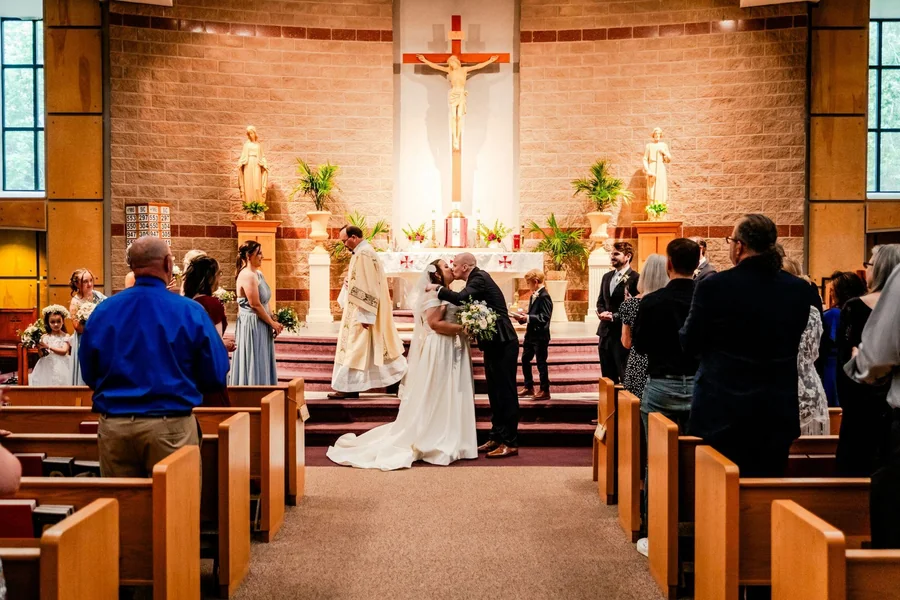
Church dress has changed considerably over the years. In many congregations, formal suits, carefully chosen dresses, hats, and polished shoes have given way to a much more relaxed approach. That shift has made church feel more accessible and comfortable for many people, but it has not erased the meaning behind dressing with a little extra care on Sunday.
Choosing something special to wear does not have to be about impressing the people sitting in the next pew. At its best, dressing up is a simple way of recognizing that church is different from an ordinary stop on the weekly schedule. Clothing can help mark that difference before the service even begins.
Clothing Can Give an Occasion More Meaning
People naturally dress differently depending on what they are doing. A wedding, graduation, important dinner, job interview, and ordinary afternoon at home rarely call for exactly the same clothes. The difference is not always about strict etiquette. Clothing helps signal that a particular moment deserves additional thought.
Church can work in much the same way. Taking time to select an outfit, press a shirt, coordinate a dress, or put on shoes reserved for special occasions creates a small transition between everyday life and worship.
That tradition also remains visible in the enduring appeal of dedicated church clothing. The continuing presence of https://designerchurchsuits.com/ reflects how Sunday dressing can still have its own identity, with clothing chosen specifically to make the occasion feel distinct from the rest of the week.
Sunday Best Was About More Than Fashion
The idea of wearing one’s “Sunday best” has deep cultural roots. For generations, families kept particular clothes specifically for church and other important occasions. Children learned that Sunday morning meant clean shoes and carefully selected outfits, while adults often wore some of the most polished pieces in their wardrobes.
Those clothes carried meaning because they were not worn every day. Putting them on helped establish a different mood and rhythm for the day.
Although modern wardrobes and church cultures have changed, the basic principle still makes sense. Something does not need to be expensive or highly formal to feel special. A well-kept outfit that receives a little more attention than everyday clothing can accomplish the same thing.
Getting Dressed Can Change How You Approach the Day
Clothing does more than affect appearance. It can influence the way an occasion feels.
Think about the difference between staying in clothes associated with relaxing at home and getting ready for an important event. The event has not changed, but the preparation creates a mental transition. You become more conscious of where you are going and what you are about to do.
For some people, dressing for church provides exactly that transition. The routine itself becomes meaningful: getting ready, choosing appropriate clothes, and leaving the house with a sense that Sunday morning is separate from the rest of the week.
In a culture where the boundaries between work, leisure, errands, and social life have become increasingly blurred, these small distinctions can be surprisingly valuable.
Dressing Well Does Not Require a Strict Dress Code
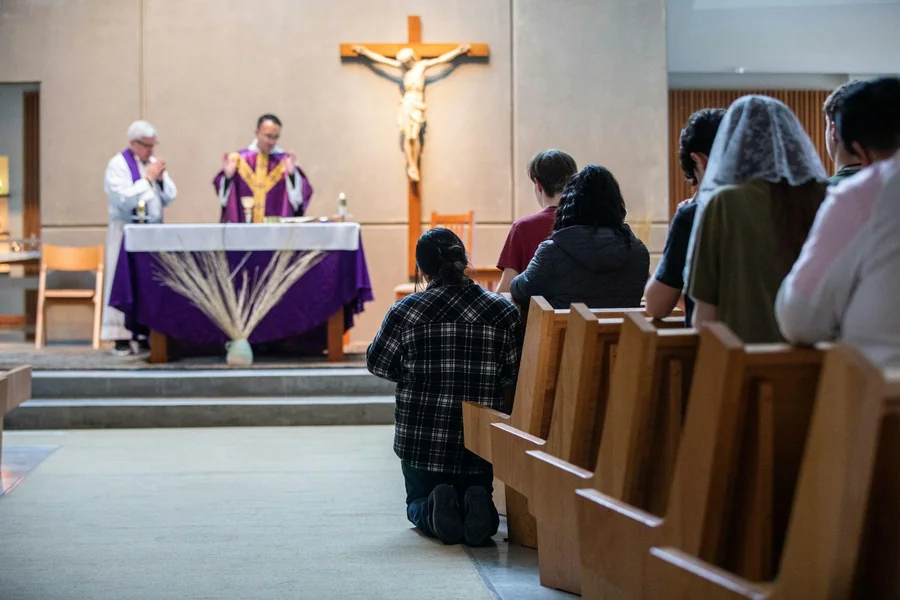
Arguing that church clothing can matter is not the same as arguing that everyone should dress identically. Churches vary enormously. A suit that looks completely natural in one congregation might seem unusually formal in another.
Personal circumstances matter too. Someone coming directly from work, a parent managing several young children, or a first-time visitor should not feel that clothing determines whether they belong.
There is plenty of room between enforcing a rigid dress code and treating clothing as completely meaningless. Dressing with intention can mean a full suit or an elegant dress, but it can also mean simply choosing clean, neat, appropriate clothes because the occasion matters to you.
The important distinction is intention rather than price or formality.
Church Clothes Can Preserve a Sense of Tradition
Clothing is one of the ways traditions survive without anyone formally announcing them. A hat worn by a grandmother, a suit chosen for Easter Sunday, or a dress associated with important church celebrations can become part of a family’s memories.
These traditions can also connect generations. Styles change, but younger family members still see that certain occasions receive special treatment. They learn through observation that preparation itself can communicate respect.
That does not mean recreating the exact church wardrobes of previous generations. Tradition remains meaningful precisely because it can evolve. Modern fabrics, silhouettes, colors, and styling can preserve the idea of Sunday best without making churchgoers look as though they stepped out of another decade.
Personal Style and Reverence Can Coexist
Dressing appropriately for church does not require abandoning personality. In fact, church fashion has historically provided plenty of room for individual expression through color, tailoring, hats, jewelry, patterns, and accessories.
The goal does not have to be attracting attention. Personal style can simply make thoughtful dressing more enjoyable.
Someone who loves bold colors might choose a beautifully coordinated suit, while another person may prefer understated neutrals and simple tailoring. Both can approach dressing with the same degree of care.
This flexibility is one reason dressing up for church continues to survive even as everyday fashion becomes more casual. The tradition can adapt without losing its underlying purpose.
Making an Effort Still Says Something
Perhaps the strongest argument for dressing up for church is also the simplest: effort communicates importance.
People make an effort for occasions they value. They arrive early, prepare beforehand, pay attention to details, and sometimes dress differently from the way they would on an ordinary day.
None of those actions determines the sincerity of someone’s faith, and clothing should never become a measure by which churchgoers judge one another. Yet choosing to dress well can still carry personal meaning.
The world may be considerably more casual than it once was, and church wardrobes will continue changing with it. But the desire to mark an important occasion through clothing has not disappeared. For those who still enjoy getting dressed for Sunday, the tradition is not merely about looking good. It is one small way of saying that this particular place, time, and gathering deserve special attention.