An invitation arrives with the date, time, and location but leaves out one important detail: what you are supposed to wear. Suddenly, a simple birthday dinner or backyard gathering creates an unnecessary fashion problem. Dressing too casually can feel awkward, but arriving noticeably more formal than everyone else can be just as uncomfortable.
When no dress code is provided, the invitation itself usually contains enough clues to make a reasonable decision. The venue, time of day, type of event, and people hosting it can tell you much more than a missing line that says “casual” or “cocktail attire.” The goal is not to predict everyone’s outfit perfectly. It is to choose something that makes sense for the occasion while leaving yourself enough flexibility to adjust.
Start With What the Event Actually Involves
The activity is often the strongest clue. A backyard barbecue calls for a different outfit from an anniversary dinner, even if both begin at 6 p.m. Think practically about where you will sit, whether you will be indoors or outdoors, and how much moving around the event involves.
For a relaxed cookout where the host is likely to spend part of the evening at the grill with grill tongs in hand, polished casual clothing is generally a more natural direction than formal eveningwear. A clean polo or casual button-down with chinos can work well for men, while a casual dress, relaxed trousers, or a simple top-and-skirt combination can provide the same balance for women.
Outdoor conditions matter too. Grass can make certain heels impractical, while an evening temperature drop may make a light layer useful. If the event involves a pool, beach, garden, or other specific setting, allow the surroundings to influence footwear and fabric choices.
Dress for what you will actually be doing rather than for the word “party” alone.
Use the Venue and Time as Your Next Clues
If the activity does not provide an obvious answer, look at where and when the event is happening. Daytime occasions generally allow more relaxed clothing, while evening events often move slightly more formal.
A Saturday lunch at someone’s home may call for neat everyday clothing. Dinner at an upscale restaurant suggests something more polished. A rooftop bar, hotel event space, country club, or formal private venue provides another set of clues.
You can also look at the venue’s normal atmosphere. The objective is not to copy what appears in promotional photographs but to understand whether people typically arrive in jeans and sneakers or dresses, jackets, and smarter shoes.
Time matters in combination with location. A restaurant that feels casual at lunchtime may attract a more dressed-up crowd on Friday evening.
When uncertain between two levels of formality, choosing the slightly more polished option is usually easier to manage. A jacket can be removed, sleeves can be rolled up, and accessories can be simplified. Making an extremely casual outfit more formal after you have arrived is much harder.
Choose Clothes That Can Move Up or Down a Level

Versatility is extremely useful when the dress code is unclear. Instead of selecting an outfit that belongs firmly at one end of the casual-to-formal spectrum, build one that can adapt once you see the room.
For men, dark trousers or chinos paired with a well-fitting shirt provide flexibility. Adding an unstructured jacket immediately makes the outfit smarter, while removing it creates a more relaxed appearance. Clean, understated shoes can bridge the gap better than either very formal dress shoes or obviously athletic footwear.
Women can use a similar strategy with a simple dress, tailored trousers, skirt, blouse, or polished knitwear. Shoes, jewelry, a jacket, and other accessories can determine whether the final result feels relaxed or more elevated.
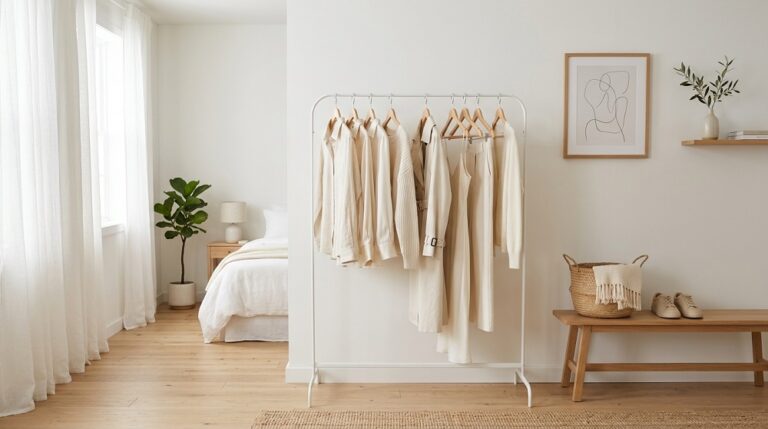
Neutral pieces are particularly useful because they rarely make the outfit appear excessively committed to one type of occasion.
Comfort should remain part of the calculation. An outfit is not a successful compromise if you spend four hours adjusting it, worrying about your shoes, or avoiding sitting down. Choose something you already know feels good rather than using an ambiguous invitation as an opportunity to experiment with an outfit you have never worn.
Pay Attention to the Host and the Guest List
Context can reveal what the invitation does not. Think about who is hosting and how that person normally approaches gatherings.
A friend who routinely organizes casual get-togethers is unlikely to expect formal clothing without mentioning it. Someone known for elaborate dinners or celebrations may create a more polished event even without specifying attire.
The guest list provides another clue. A family birthday involving several generations may have a different atmosphere from drinks with coworkers. An engagement celebration may naturally encourage more effort than a casual Sunday afternoon gathering.
If you know another guest well, asking what they plan to wear is perfectly reasonable. The question does not need to become a group discussion about fashion. A quick message can establish whether everyone else interpreted the invitation similarly.
You can also ask the host when the distinction genuinely matters. “Are you thinking casual or a little dressed up?” is easier for the host to answer than requesting a detailed wardrobe recommendation.
The purpose is simply to avoid making assumptions when one short conversation can remove the uncertainty.
Avoid the Extremes When You Truly Have No Clue
Sometimes there really are no useful signals. The venue is unfamiliar, you barely know the host, and nobody else on the guest list is available to ask. In that situation, aim for the middle.
Choose clothing that looks intentional without being ceremonial. Avoid anything that would normally require a clearly stated formal dress code, but also avoid clothes associated primarily with lounging, exercising, or doing chores.
Fit and condition become especially important in this middle ground. A simple outfit that is clean, well-fitting, and thoughtfully put together usually looks more appropriate than expensive clothing that does not suit the occasion.
Small details can elevate basic pieces without making them excessively formal. Good shoes, a neat outer layer, restrained accessories, and properly pressed clothing can do more than adding another complicated element to the outfit.
Remember that most hosts are paying far less attention to your clothing than you imagine. Unless the event has a genuine etiquette requirement, being slightly more or less dressed up than another guest is unlikely to matter.
The safest strategy is to read the occasion rather than search for an invisible rule. Consider the activity first, then the venue, time, host, and guest list. Choose an outfit somewhere near the middle of the likely range and include something that lets you adjust the level of formality.
When an invitation forgets the dress code, you do not need to guess the exact outfit everyone else will choose. You only need to arrive looking as though you understood the kind of event you were invited to.