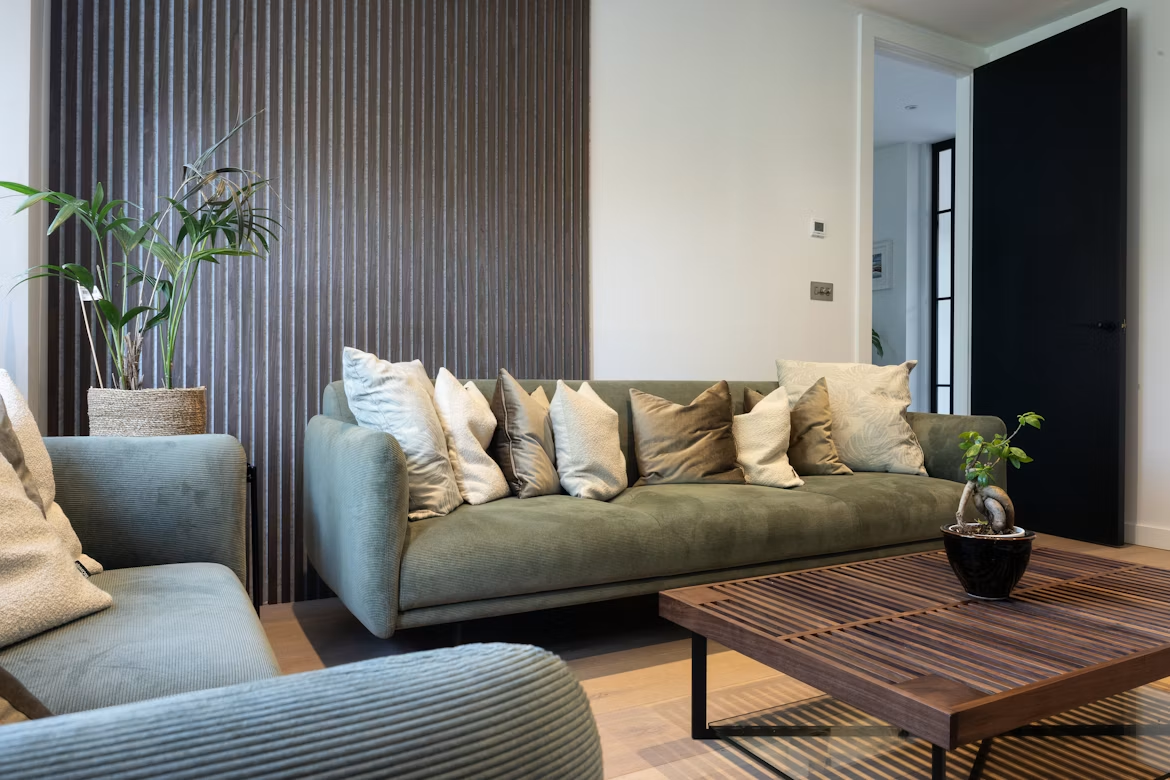
Wooden wall panelling is a practical way to add warmth, texture, and character to an interior. Available in a variety of materials, colours, patterns, and finishes, it can complement both traditional and contemporary spaces. Beyond its appearance, wood panelling can also provide functional benefits, including improved acoustics and added protection for wall surfaces.
Materials and Styles
Wooden wall panels are available in different types of timber, each offering a distinct appearance and level of durability. Oak, walnut, and mahogany are commonly chosen for their strong grain patterns and rich tones. Lighter woods, such as pine, can create a brighter and more relaxed appearance while providing a more economical option.
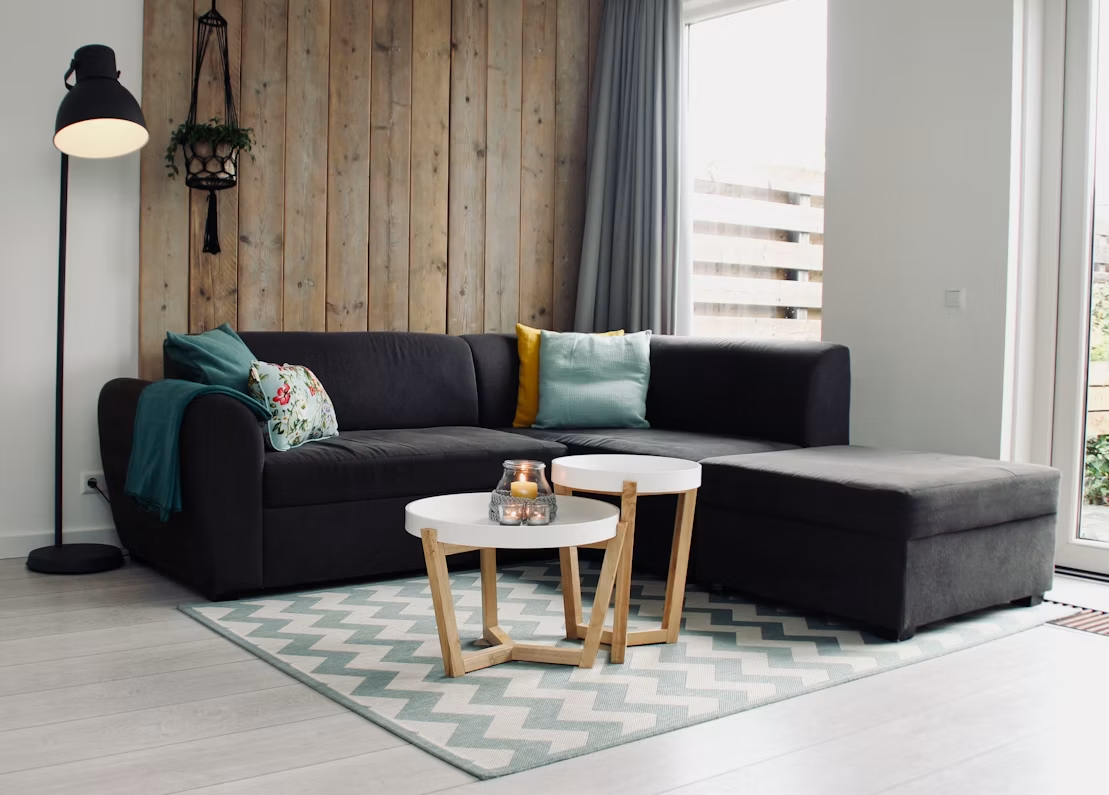
The finish also plays an important role in the overall design. Natural finishes can highlight the grain of the timber, while painted or stained panels can be matched with existing furniture, flooring, and other decorative features. Slatted, fluted, shiplap, and decorative panel designs provide additional options for creating different visual effects.
Engineered wood panels offer another alternative to solid timber. These products are manufactured using layers or combinations of wood-based materials to provide greater consistency and stability. They can also be more affordable, making them suitable for projects where budget is an important consideration.
Applications in Different Spaces
Wooden wall panelling can be used throughout a property, depending on the desired style and function. In living rooms, using wooden wall panels can create a feature wall or add texture to an otherwise plain surface. When combined with suitable lighting and furniture, wood panels can help define the overall character of the room.
Bedrooms can also benefit from the use of wooden panels. Natural wood tones can create a comfortable atmosphere, while darker finishes can provide a more structured appearance. In dining areas, panelling can add visual interest without taking up additional floor space.
For kitchens and bathrooms, the choice of material and finish requires greater consideration because these areas are exposed to moisture and temperature changes. Suitable moisture-resistant products and correct installation can help ensure that the panels remain in good condition.
Wood panelling is also suitable for commercial interiors. Offices, hotels, restaurants, and reception areas can use it to create a professional yet welcoming environment. Panels can also be used to separate sections within open-plan spaces while maintaining a consistent design.
Installation and Maintenance
Installation requirements depend on the type of panel and the condition of the wall. Some systems require accurate measurements and cutting, while tongue-and-groove, slatted, and shiplap designs can make installation more straightforward.
Proper wall preparation is important for achieving an even finish. The surface should be checked before installation, and panels should be fitted according to the manufacturer's instructions.
Maintenance is generally simple. Regular dusting can help prevent dirt from accumulating, while occasional cleaning or treatment may be required depending on the finish. Wood can respond to changes in moisture and temperature, so maintaining stable indoor conditions can help minimise movement, cracking, and warping.
Acoustic Benefits
Wooden wall panelling can also contribute to the acoustic performance of a room. Certain panel systems, particularly those designed with acoustic backing or slatted structures, can help absorb or diffuse sound and reduce unwanted echoes.
This can make them useful in offices, meeting rooms, home entertainment areas, studios, and other spaces where sound control is important. However, acoustic performance varies between products, so specific requirements should be considered before choosing a panel system.
Sustainability and Cost
Sustainability is another factor to consider when selecting wooden wall panels. Responsibly sourced timber can support more environmentally conscious interior design, while certifications such as the Forest Stewardship Council (FSC) can help buyers identify responsibly managed timber products.
Cost varies according to the type of wood, panel design, finish, size, and installation requirements. Solid hardwood generally costs more, while engineered wood and veneer options can provide alternatives for projects with tighter budgets.
Durability can also contribute to long-term value. Properly installed and maintained wood panelling can remain functional and attractive for many years, reducing the need for frequent replacement or major decorative changes.
Modern Trends in Wood Panelling
Contemporary wooden wall panelling continues to evolve through new designs, textures, and manufacturing techniques. Custom patterns, fluted surfaces, geometric designs, and integrated lighting are increasingly being incorporated into interior schemes.
These developments allow panels to serve more than a decorative purpose. They can combine visual appeal with acoustic performance, lighting, and other practical features, making them suitable for modern interiors.
Conclusion
Wooden wall panelling provides a flexible option for improving the appearance and functionality of interior spaces. With a range of materials, finishes, and designs available, it can be adapted to different rooms, styles, and budgets.
Whether used as a feature wall, a full wall covering, or part of a commercial interior, wood panelling can add texture and warmth while offering practical benefits. Careful material selection, professional installation, and regular maintenance can help ensure that the panels remain a lasting part of the interior design.