Plumbing problems rarely happen at a convenient time. A burst pipe at midnight, a rapidly overflowing toilet, or the smell of sewage in the house can turn a normal day into a scramble. While professional help is often necessary, what you do in the first few minutes makes a big difference in limiting water damage, protecting your home, and keeping your family safe. This guide explains how to recognize a true plumbing emergency, the exact steps to stabilize the situation, what not to do, and how to reduce the odds of a repeat problem with practical, long-term prevention.
If you don’t already have a trusted local pro saved in your phone, take a moment now to identify options, so you’re not searching in a panic later. For residents researching provider availability and services, companies such as https://callthechamps.com/plumbing-services-in-midwest-city/ can help you understand common offerings and how to reach a team if something urgent comes up.
-
How to Tell It’s a Real Emergency
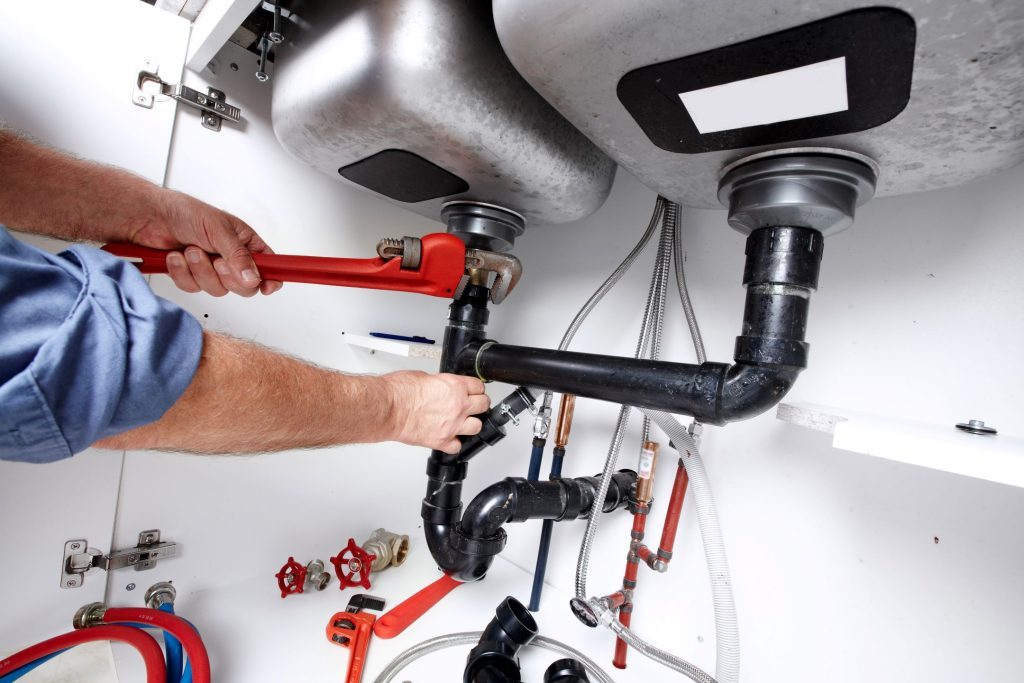
Not every plumbing issue requires immediate attention, but some do. Consider it an emergency if water is actively leaking or spraying, a drain is backing up sewage, you smell gas near a water heater, your only toilet is unusable, or water is threatening electrical components. Any situation that risks structural damage or health hazards warrants urgent action. For example, a slow-dripping faucet is inconvenient, but a burst supply line under a sink can spill dozens of gallons in minutes, soaking cabinets, subflooring, and walls.
Use common sense in edge cases. A cold shower on a weekend can wait, but a leaking water heater with puddling around the base should be addressed quickly. If you’re unsure, stabilize the scene with the steps below and call a professional to describe what you’re seeing. They can help you decide whether it’s safe to wait or if you should seek immediate service.
-
Immediate Steps to Limit Damage
Shut off the water. Know the location of your main shutoff valve before you need it. In many homes, it’s in a utility area, garage, basement, or near the perimeter where the main line enters. Turn the handle or valve clockwise to stop the water to the entire home. For localized issues like a leaking toilet or sink, use the fixture’s small shutoff valve on the supply line. Turning off the water buys time and prevents further damage.
Kill power if water is near electricity. If water threatens outlets, appliances, or your breaker panel, shut off power to the affected circuits from a dry location. Do not step into standing water where electricity may be present.
-
Stabilize the Scene Safely
Relieve pressure and drain lines. After the main water is off, open cold taps on lower floors to drain residual water and reduce pressure in the pipes. Flush the toilet once to empty the tank and bowl. This can stop residual dripping and make cleanup more manageable.
Contain and document. Use towels, buckets, and pans to capture drips and move belongings out of harm’s way. If you see bulging drywall on the ceiling, do not poke it; place a bucket beneath it and wait for a professional. Take photos and short videos of the damage and source area before significant cleanup. Documentation can help with insurance claims and contractor assessments.
-
What Not to Do
Avoid chemical drain cleaners. In an emergency, it’s tempting to pour in a quick fix. Many chemical products contain caustic ingredients that can damage older pipes, create heat, and complicate professional repairs. If a drain is fully blocked or backing up sewage, stop using it and seek help instead of adding chemicals.
Don’t ignore persistent leaks. If a valve or connector still drips after shutoff, don’t assume it will stop on its own. Even slow leaks can travel behind walls and under flooring, inviting mold and long-term structural issues. Stabilize, monitor with a bucket, and arrange for a timely inspection.
-
When to Call a Pro and What to Share
Call immediately if you can’t locate the shutoff, you suspect a burst pipe, sewage is present, water is near electrical systems, the water heater is leaking, or the only toilet is backed up. When you call, provide the essentials: where the issue is located, how fast water is flowing or backing up, anything you’ve shut off, and visible damage. Mention any unusual sounds (like hissing) or smells (gas, sewage, burning). Clear, concise details help the dispatcher triage correctly and send the right technician with the proper materials.
If someone in the home has health sensitivities, share that too; sewage backup, for instance, requires specific cleanup steps to reduce exposure risks. Ask if there’s anything else you should do while you wait, such as opening windows, lifting carpets, or isolating an appliance.
-
Prevention You Can Start This Week
Know your shutoffs and label them. Walk through the house and locate the main water shutoff and the fixture-specific valves. Label valves with tags or tape so anyone at home can act fast. Confirm they turn easily; if not, have them serviced.
Install inexpensive safeguards. Supply lines to toilets, faucets, and appliances should be high-quality braided stainless steel and replaced proactively if they’re old or kinked. Consider leak alarms for areas like under sinks, behind the fridge, and near the water heater. Some smart models can send phone alerts. A simple pan under the water heater can also catch the first sign of trouble.
-
Maintenance That Pays Off Over Time
Schedule periodic inspections. A quick annual or biannual check can spot minor issues like slow valve leaks, corroded fittings, or a failing pressure-reducing valve before they escalate. If your home has older galvanized or polybutylene sections, ask about their condition and upgrade timeline.
Mind what goes down the drains. Toilets should only receive human waste and toilet paper. In kitchens, collect grease in a can, not the sink. Use strainers to catch food scraps and hair. Periodically clean P-traps and use enzyme-based cleaners to maintain drains, avoiding harsh chemicals that can harm pipes and septic systems.
-
Upgrades That Reduce Risk
Pressure regulation matters. Excessive water pressure stresses pipes, valves, and appliances. A simple gauge can tell you the current level; many homes do best between 50–60 psi. If yours is higher, talk to a professional about installing or servicing a pressure-reducing valve.
Consider a whole-home shutoff device. Automatic shutoff systems pair a central valve with leak sensors. If a sensor detects water where it doesn’t belong, the device closes the main, limiting damage when no one is home. While not necessary for every household, they’re worth considering in homes with finished basements, valuable flooring, or frequent travel.
-
After the Emergency: Drying and Follow-Up
Dry thoroughly. Even small leaks can leave moisture trapped behind baseboards and in subfloors. Use fans and dehumidifiers and, if needed, consult water-damage pros for proper drying. Watch for signs of lingering moisture, such as musty odors or discoloration, over the next few days.
Review the root cause. Ask the technician to explain what failed and why. Sometimes the fix is a simple part replacement; other times, it points to systemic issues such as high pressure, aging piping, or inadequate venting. Addressing the underlying cause is what prevents the next one.
No one plans for a plumbing emergency, but a little preparation goes a long way. Learn where your shutoffs are, keep a few basic supplies on hand, and put simple safeguards in place. When something does go wrong, act quickly to stop the water, protect your home, and gather clear information for a professional. Then use the experience to fine-tune your prevention plan, so your plumbing is quieter, safer, and less likely to surprise you again.