
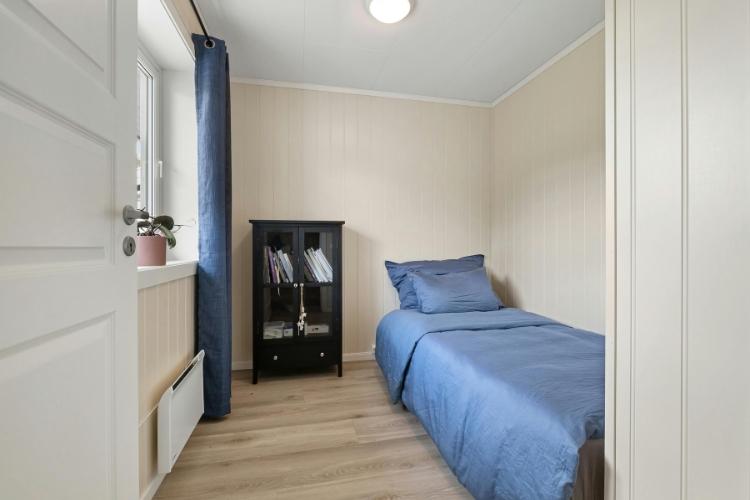
Small bedrooms can be tricky to decorate. Every choice has a noticeable impact, from the position of the bed to the amount of furniture you bring into the room. Window dressings deserve just as much thought. Curtains take up a considerable amount of visual space, so the wrong length, color, or fabric can make an already compact bedroom feel crowded.
The good news is that with careful measurements and a few practical styling decisions, curtains can work with the proportions of the room.
Start With the Size and Position of the Window
Measure the width and height carefully rather than relying on an estimate. Also consider how much wall space surrounds the window and whether furniture sits directly underneath or beside it. A radiator, desk, chest of drawers, or bedside table may affect the most practical curtain length.
In a small room, hanging curtains higher can draw the eye upwards and make better use of the wall. A curtain pole positioned above the window frame can also allow more of the fabric to sit beyond the glass when the curtains are open. This helps avoid unnecessarily blocking daylight.
Floor-length curtains can work beautifully in compact bedrooms, but they need enough room to hang properly. If furniture prevents this, shorter curtains may provide a neater solution. The priority should be choosing proportions that suit the actual room.
Think About Light, Privacy, and Sleep
A bedroom that receives strong morning sunlight may need greater control over brightness. Likewise, windows facing a street, neighboring property, or shared outdoor area may call for more privacy. Think about how the room feels at different points throughout the day, not just when you are decorating it.
The right option will depend on your priorities. Consider:
- How much natural light you want during the daytime
- Whether privacy is important when the curtains are open
- How dark you prefer the bedroom while sleeping
- Whether the window experiences glare at particular times
- How easily you want to open and close the curtains
These questions narrow your choices and keep you from picking window dressings that look attractive but don't work well in everyday life.
Choose Colors and Patterns With the Whole Room in Mind
Small rooms do not have to be decorated entirely in pale neutrals. Start with colors that are already present. The walls, bedding, flooring, and larger pieces of furniture provide useful reference points. Curtains do not need to match these elements exactly. In fact, slight variations in shade can stop the room from looking overly coordinated.
Retailers such as Terrys can provide a useful starting point for seeing how colors and designs might fit alongside an existing decorating scheme.
Patterns need a little more consideration in a compact room. A busy print can become the dominant feature when there is little wall space around it. If the bedding, wallpaper, or rug already has a strong pattern, plain curtains can provide some visual breathing room.
Pick Curtains and Accessories That Suit the Space
Once you know the practical requirements and preferred color scheme, consider the curtains and hardware as a set. Looking at them as one arrangement helps avoid a common problem: choosing curtains first and treating the pole and accessories as an afterthought.
Browsing Terrys Fabrics can help when you compare curtains and accessories at the same stage of the decorating process. Pay attention to how each element will work physically within the available wall space rather than choosing individual pieces in isolation.
Keep the scale of accessories in proportion to the bedroom. An oversized pole or particularly bulky finials can look heavy around a narrow window. Simpler fittings often sit more comfortably in restricted spaces.
Tiebacks can be useful when you want to keep fabric away from the glass and let more daylight into the room. However, they need suitable fixing points and enough wall space on either side. In very tight corners, allowing the curtains to hang naturally may be more practical.
Avoid Adding Too Many Details
Small bedrooms often benefit from a clear visual hierarchy. Decide which elements deserve attention and let the others play a supporting role.
For example, if the curtains feature a bold botanical or geometric print, plain bedding and understated accessories can let that pattern stand out.
Texture offers another way to add interest without introducing additional patterns. Fabric, rugs, bedding, cushions, and upholstered furniture can bring different surfaces into the room while keeping the color palette relatively restrained.
Be selective with curtain accessories too. A decorative pole, elaborate finials, patterned curtains, and noticeable tiebacks can become visually crowded when used together around a small window. Choose details because they serve a practical or decorative purpose, rather than adding every available finishing touch.
Check the Practical Details Before Buying
A final check can save frustration later. Measure the window again and confirm where the curtain pole or track will sit. Check the space available when the curtains are fully open and make sure nearby furniture, shelves, or radiators will not interfere with them.
Also consider everyday use. Curtains that are hard to reach behind furniture or awkward to pull across the window will quickly become irritating, no matter how good they look.
Before making your final choice, check:
- The width and drop required
- The position and length of the pole or track
- The curtain heading and compatible hardware
- Clearance around furniture and other fixtures
- How far the curtains can open on either side
- Whether the chosen fabric meets your needs for light and privacy
These practical points are particularly important in a small bedroom, where there is less spare space to compensate for incorrect measurements or unsuitable fittings.
Final Thoughts
Choosing curtains for a small bedroom is largely about working with the room you have. Accurate measurements should come first, followed by decisions about daylight, privacy, colour, pattern, and the way the curtains will operate from day to day.
Consider the entire window rather than focusing on the fabric alone. Curtain length, heading style, hardware, and accessories all affect the finished result. Keep these elements in proportion to the room, and avoid adding more detail than the space can comfortably carry.
With a little planning, even a modest bedroom window can become a thoughtful part of the overall design, giving you the privacy and light control you need while making the room feel cohesive and comfortable.