hResidents of Atlanta’s historic neighborhoods often enjoy unique architecture and classic Southern charm, but these older homes come with a hidden risk: outdated plumbing systems prone to sudden pipe bursts. Many homes built before the mid-20th century rely on original galvanized steel or cast iron pipes, which can corrode, rust, or weaken over decades. When Atlanta experiences rapid temperature swings or heavy rainfall, these aging pipes are pushed past their limits, resulting in leaks or dramatic bursts that can cause costly water damage and threaten original features like hardwood floors and plaster walls. Avoiding these disasters requires more than temporary fixes—proper prevention starts with specialized local plumbing expertise familiar with the unique demands of historic homes.
Atlanta Historic Home Plumbing Vulnerabilities
Older homes in Atlanta often contain plumbing materials now recognized as high-risk for failure. Galvanized steel pipes, commonly installed before the 1960s, are especially susceptible to internal corrosion, which narrows water flow and increases the chance of sudden ruptures. Original lead or cast iron pipes can develop pinhole leaks or joint failures as they age, especially in houses where the plumbing has not been updated in decades. Atlanta’s clay-rich soil and shifting foundations can also stress buried pipes, causing them to crack or disconnect. Understanding these vulnerabilities is essential when evaluating the health of a historic home’s water system and planning proactive maintenance.
Local building codes have evolved to address these dangers, requiring updated materials for any major repair or replacement. Homeowners should be aware that even a small leak can be the first sign of larger systemic issues. Reviewing Atlanta building code requirements for historic home plumbing helps ensure any work meets safety and preservation standards.
Professional Inspection Strategies for Aging Pipe Systems
Effective prevention begins with a thorough inspection using methods designed for historic properties. Experienced plumbers use specialized cameras to inspect interior pipe walls for corrosion, mineral buildup, or hidden leaks that standard visual checks might miss. This technology allows plumbers to locate weak points without cutting into original walls or floors, preserving architectural features while identifying problems early.
For homes with crawl spaces or basements, moisture sensors and thermal imaging can detect unseen water damage or slow leaks, which are common in homes with aging pipes. A detailed inspection report will outline immediate repair needs, long-term risks, and recommendations for phased upgrades. Comparing inspection techniques for historic homes highlights the importance of non-invasive tools and local expertise.
An inspection from the Best Plumber in Atlanta often includes a review of previous repairs and an assessment of pipe materials, helping homeowners make informed decisions about upgrades or replacements. This approach reduces the risk of destructive accidents and preserves the integrity of older residences.
Preventing Catastrophic Water Damage through Expert Maintenance
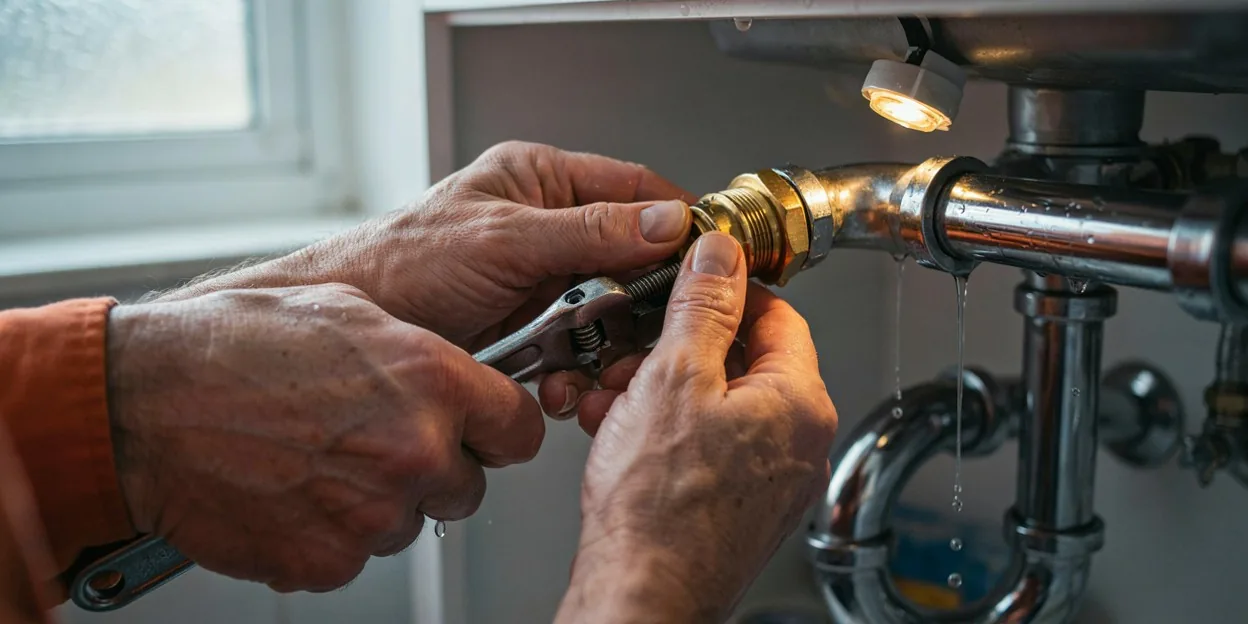
Routine maintenance tailored to historic plumbing prevents small issues from becoming large emergencies. Professional plumbers flush out mineral buildup, replace worn-out gaskets, and monitor water pressure to reduce strain on fragile pipes. Replacing outdated shutoff valves and supply lines with modern, code-compliant materials adds another layer of protection, ensuring that leaks can be quickly contained before they escalate.
In Atlanta, where winter freezes and summer storms can both challenge old pipes, preventive maintenance also includes insulating exposed plumbing and checking for signs of frost damage. Early intervention can save original hardwood floors, decorative plaster, and other irreplaceable features from water intrusion. Homeowners are advised to create a maintenance schedule with their plumber and document all service records for future reference or insurance claims.
Selecting Qualified Plumbers for Atlanta Architectural Preservation
Not all plumbers have the knowledge or respect for the unique needs of historic homes. Atlanta homeowners should seek professionals with experience in preservation projects and familiarity with both local building codes and landmark guidelines. Ask potential hires about their approach to working with original materials and whether they have completed projects in similar homes.
Verifying certifications and licenses is critical, but so is evaluating a plumber’s sensitivity to architectural details. Qualified plumbers will provide references from previous preservation jobs and explain their strategies for minimizing disruption to historic finishes. Homeowners should also ensure the plumber carries adequate insurance coverage for work in older structures, as repairs can sometimes uncover hidden structural issues that require careful handling.
Conclusion
Securing the future of an Atlanta historic home means investing in professional plumbing care that addresses the realities of aging infrastructure. Schedule a specialized inspection and maintenance plan with a local expert who understands the nuances of historic plumbing—this proactive step can help prevent unexpected pipe bursts and safeguard your home’s character for years to come.