Why Play Can Be Part of Early Autism Support
Play's a huge part of how kids learn, full stop. Building a tower. Copying an action. Taking turns. Using a toy in some way nobody saw coming. Small moments, sure, but they turn into real chances to practise communication and social skills, often without the child even noticing it's happening.
Trying to explore play based interventions for autism? Core idea's simple enough. Instead of every activity feeling like a lesson, play becomes the place learning happens on its own.
Still has to fit the actual child, though. What lights one kid up might do absolutely nothing for another.
Start with whatever the child already loves
A child joins in a lot more easily when it's something they're already into.
Cars, blocks, drawing, music, puzzles, animals, doesn't matter what. An adult joins in, uses that interest to crack open small chances for interaction.
Nothing complicated required.
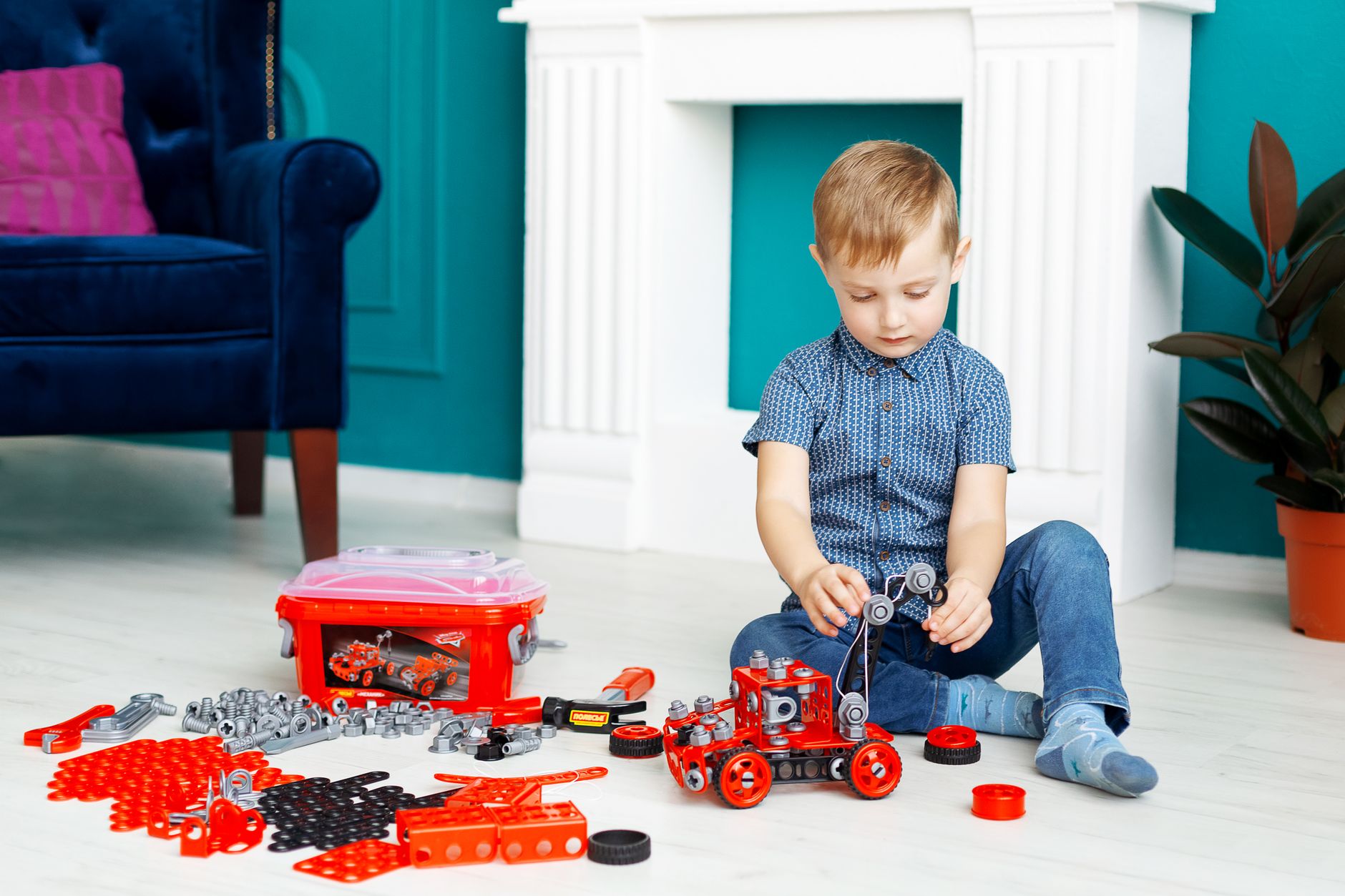
Child loves building blocks? Adult builds right alongside them. Takes turns adding pieces. Waits a beat before handing over the next one instead of just passing it straight over.
Play stays exactly as familiar as it was. Learning just happens inside it.
Play opens doors to communication
Communication doesn't need actual words to get going.
Pointing at something. Looking toward someone. Handing over a toy. A sound. A gesture. Small stuff.
Play throws up plenty of natural openings for exactly this.
Say a favourite toy's missing a piece. Adult pauses, gives the child a beat to ask for it. Child reaches for the piece? Already worth responding to right there.
Moments like that can happen over and over without ever turning into a test.
Turn taking, without forcing anything
Turn taking fits into ordinary play pretty naturally.
Ball game's the obvious one. Roll it over, roll it back, again.
Same deal with blocks, cars, puzzles, loads of other toys really.
First go, a child might only last a minute. Fine. Not trying to drag out some marathon game, just giving them a reason to notice someone else and join in, even briefly.
Gets more familiar the more it happens.
What's a child actually practising here?
Different activities crack open different things.
Play can hand a child the chance to work on:
- Looking toward another person
- Taking turns
- Copying an action
- Asking for something
- Following a simple direction
- Waiting their turn
- Sharing attention around an activity
- Trying a new way to use a toy
Not every kid's working the same angle. Activities bend to fit the child, not the other way round.
Which is exactly why none of this is just handing over a toy and expecting some set response back.
Follow wherever the child's attention already is
Sometimes a child gets stuck on one thing for ages. Rather than pulling them off it straight away, an adult can just join in right there.
Makes building interaction a whole lot easier.
Child's lining up toy cars? Someone sits down nearby, adds one to the line. Maybe passes a car over, or takes one away and waits to see what happens next.
Activity hasn't changed at all. A bit of social interaction's just folded in around it.
For families wanting to explore play based interventions for autism, this child-led way of doing things is a big chunk of why play actually helps.
Doesn't need to look anything like a lesson
Play's useful partly because it happens inside completely ordinary moments.
No desk needed. No worksheet. No set lesson plan. Building, drawing, a simple game, all of it opens up room for interaction just fine on its own.
Easier to repeat too, since it's already baked into routines the family's doing anyway.
Parents and carers often start spotting openings during play they hadn't noticed before. A pause before handing over a toy. A turn in a simple game. Laughing at the same thing together.
Big thing here, don't turn every single moment into a task.
Support has to match the actual kid
Every autistic child's different. Interests, communication, support needs, all over the map from one kid to the next.
So no, there's no one activity that works for every child.
Good approach starts by actually looking at this specific child. What do they enjoy? How are they communicating right now? What holds their attention? What's a reasonable next step from here?
Solongo Early Intervention uses play based therapy in its early intervention services, shaping activities around each child's own development and needs.
Questions parents may ask
Isn't this just ordinary play?
Looks like it from the outside, sure. Usually there's a specific developmental goal underneath it though. How the activity's chosen and supported is what actually makes the difference.
Does a child need to talk for this to work?
Nope. Pointing, gestures, sounds, eye contact, all of that counts as communication too.
Not about turning every game into a lesson. It's using what the child already loves and letting the learning ride along naturally, not forcing it in.