
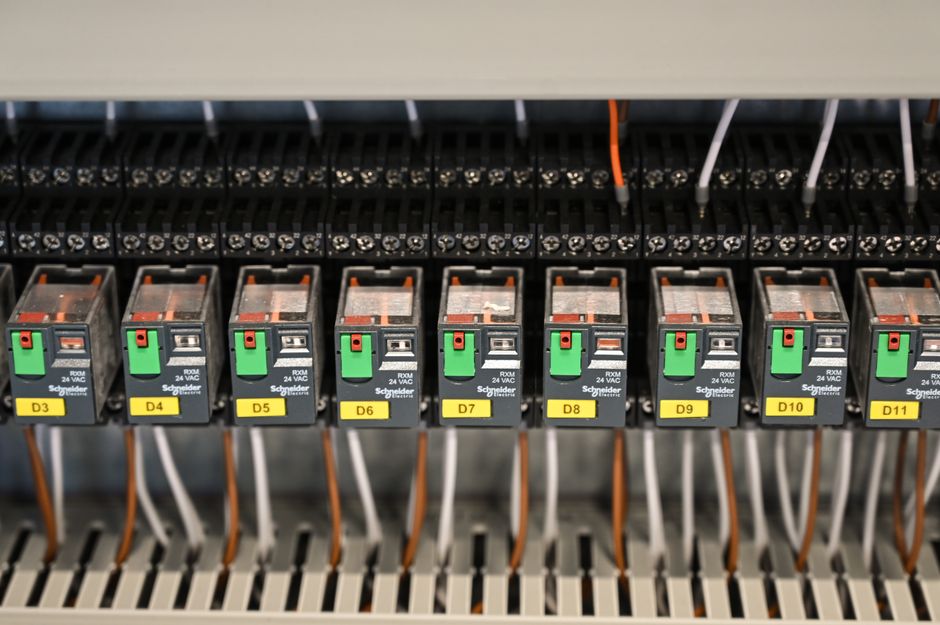
In the realm of electrical engineering, contactors play an indispensable role in the smooth operation of various systems and equipment. These electromechanical switches are integral to controlling and distributing electricity without the need for manual intervention. For a deeper understanding of their applications and importance, you might refer to the comprehensive guide by RS Components MY | What are Contactors Used For.
What is a Contactor?
A contactor is a specific type of electrical relay designed for switching electrical power circuits. Unlike general-purpose relays, contactors are designed to switch higher-power circuits and are available in a wide range of current and voltage ratings, including voltages well beyond 1000 volts. Their construction allows them to use an electromagnetic coil to switch a circuit on or off instantaneously, making them ideal for repeated operations.
Components of a Contactor
Contactors typically consist of three main components: the coil, the contact, and the enclosure.
– Coil: The coil is the electromagnet that is activated when electrical current flows through it. The magnetic field generated by the coil causes the contacts to move and either establish or break an electrical connection.
– Contacts: These are the actual contact points that open or close the electrical circuit. Contacts are generally made from a highly conductive material such as silver alloy to ensure minimal resistance and maximum efficiency.
– Enclosure: The enclosure protects the internal components from external environmental factors such as dust, moisture, and other contaminants. It also serves as a medium for mounting the contactor in its operating environment.
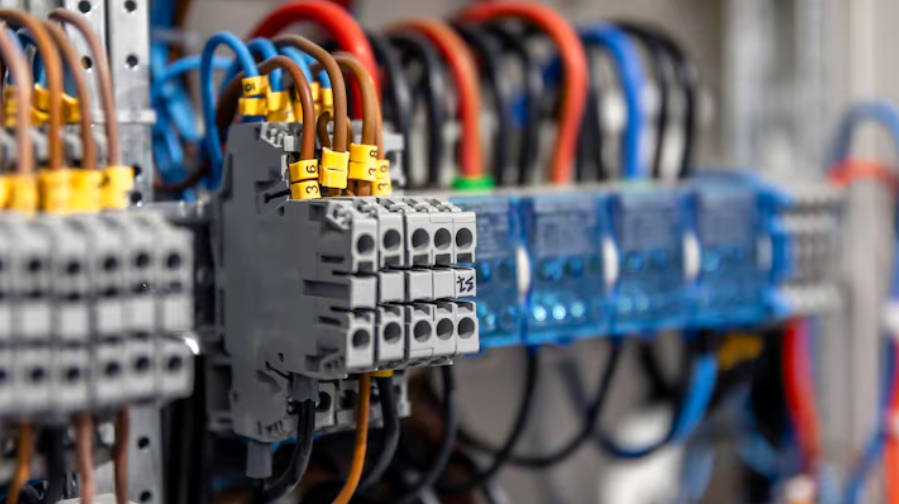
Operating Principle
The operation of a contactor is based on electromagnetic principles. When the coil is energised, it generates a magnetic field. This field attracts a moving core or armature in the contactor, pulling the contacts together or pushing them apart, depending on the design. Upon energisation, the contacts close, allowing current to flow through the circuit. When the coil is de-energised, the magnetic field dissipates, and a spring mechanism or gravity returns the contacts to their original open position, interrupting the circuit.
Types of Contactors
Contactors come in varied types and configurations, each tailored for specific applications. Some of the common types include:
– AC Contactors: Designed specifically for handling alternating current circuits, these are the most commonly used type due to their flexibility and efficiency in AC applications.
– DC Contactors: Engineered to manage direct current scenarios, DC contactors are built to cater to DC-specific challenges such as arc suppression.
– Three-Pole and Four-Pole Contactors: Three-pole contactors are commonly used for three-phase circuits, while four-pole contactors can be used when four conductors need to be switched.
– Miniature Contactors: Smaller in size, these contactors are used in applications where space is a constraint but a high switching capability is still required.
– Vacuum Contactors: These utilise vacuum as the arc quenching medium, offering a long life and high reliability for specific high-voltage applications.
Industrial Applications
Contactors are quintessential in various industrial settings where large-scale electrical control is essential. They are primarily used to control:
– Motors: Motor control is one of the primary applications. Contactors ensure that motors can start or stop safely and are used in conjunction with overload relays to protect motors from overheating.
– Lighting Systems: In commercial and industrial sectors, contactors manage extensive lighting systems by turning them on or off efficiently.
– Capacitor Banks: Used for power factor correction, contactors are employed to switch capacitor banks and reduce the reactive power demand in electrical systems.
– Heating Equipment: In systems requiring controlled heating, contactors regulate the operation of heaters by automating the power supply.
Safety and Reliability
Safety and reliability are paramount in the design and use of contactors. Features such as arc suppression, thermal overload protection, and interlocking mechanisms are integrated to enhance operational safety. The longevity of contactors depends on the quality of materials used, the precision of the components, and the comprehensiveness of protective features embedded within the device.
Advances in Contactor Technology
With technological advancements, modern contactors are evolving to accommodate smart functions, including integrated monitoring and diagnostics capabilities. The rise of automation and digitisation in industrial processes demands contactors that not only operate effectively but also provide real-time data on system performance. This information is crucial for predictive maintenance and optimising operational efficiency.
Role in Sustainable Energy Solutions
As the world shifts towards sustainable and renewable energy solutions, contactors are adapting to meet the demands of new technologies such as solar power and electric vehicles. Their ability to control and switch DC circuits efficiently is invaluable in these emerging fields. Additionally, the integration of contactors into smart grids facilitates the seamless distribution and regulation of energy, making them critical components in the transition to sustainable energy.
In summary, contactors are fundamental to the efficient operation and management of electrical systems across numerous applications. Their technological evolution continues to be driven by the need for greater reliability, efficiency, and integration into modern energy solutions. The role of contactors in current and future electrical systems makes them a pillar upon which many industrial processes stand, underscoring the importance of understanding their function and capabilities.