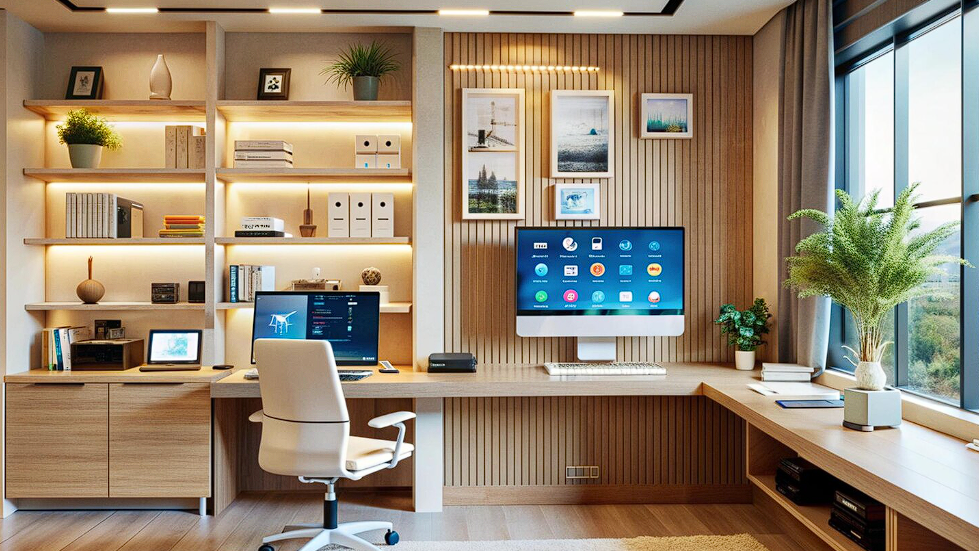
As workplace dynamics continue to evolve in the modern business environment, the concept of a private office has retained its enduring appeal for individuals and organisations seeking a blend of privacy and professional functionality. The private office, a dedicated personal or corporate space for concentrated work and professional engagements, has been pivotal in adapting to the nuances of contemporary office culture.
Historical Context and Development
The private office has a long history, rooted in the need for a sanctuary where confidentiality, concentration, and professional interactions could occur without interruption. Historically, it served as a status symbol, indicating one’s rank within a corporate hierarchy or the need for a workspace that demanded complete focus away from the distractions of open-plan offices.
The design of private offices has undergone significant transformations over the decades. What started as simple four-walled enclosures with basic furnishings has evolved into bespoke spaces equipped with modern technological advancements, ergonomic furniture, and aesthetic enhancements designed to boost productivity and comfort.
Design and Infrastructure
Modern private offices are tailored to accommodate diverse professional needs, merging comfort with technological infrastructure to create spaces conducive to high productivity. Key elements often considered in the contemporary design of private offices include:
– Ergonomics: The incorporation of adjustable chairs and desks that promote posture and reduce physical strain is critical. Ergonomic designs help in enhancing well-being, thereby reducing absenteeism and increasing efficiency.
– Technology Integration: Cutting-edge technology is integral to the modern private office. Facilities often include high-speed internet, teleconferencing equipment, and smart board functionalities that sync with digital devices, making a seamless, connected work experience possible.
– Aesthetic and Ambience: The decor of a private office is designed to inspire and energise the occupant. Use of natural light, indoor plants, and art can significantly uplift spirits and encourage creativity.
The Role in Organisational Culture
The layout and availability of private offices reflect an organisation’s culture and values. While open-plan offices encourage collaboration and transparency, private offices signify a commitment to personal space and focused work. Balancing these needs is essential for a harmonious workplace that respects individual preferences and promotes collective goals.
Private offices are also instrumental in fostering an organisational culture that values confidentiality, particularly in industries where sensitive information is handled. They offer a secure environment for confidential meetings and strategic planning, ensuring that business operations can occur without risk of information breaches.
Psychological Impact and Productivity
The psychological impact of having access to a private office cannot be understated. Personal workspaces contribute positively to mental health by offering employees control over their environment, which can reduce stress and enhance job satisfaction. The absence of noise and visual distractions allows for deep work sessions, facilitating better decision-making and creativity.
In professions that demand high levels of concentration, such as legal work, financial analysis, and creative tasks, the environment of a private office can significantly influence the quality and efficiency of work output. Employees with access to such environments often report a high degree of job satisfaction and achievement, underscoring the link between physical workspace and mental well-being.
Adapting in a Post-Pandemic Era
The COVID-19 pandemic has shifted perceptions around workspaces, influencing the role of private offices in hybrid work models. Many organisations have had to reconsider their office layouts to accommodate health guidelines, social distancing, and new remote work preferences. This shift has reinforced the relevance of private offices as essential elements in providing safe, individualised workspaces within corporate settings.
In this new era, private offices have also been instrumental in supporting the hybrid work model where employees split their time between home and the office. Having a designated space in the workplace helps maintain professionalism and a clear separation from the home environment, enabling better focus and productivity.
Environmental Considerations and Sustainability
As sustainability becomes paramount, the design of private offices is also aligning with eco-friendly practices. Corporations are investing in sustainable materials, energy-efficient lighting, and climate control systems to reduce their carbon footprint and promote green office solutions. Businesses can also consider ongoing energy expenses when designing private offices, particularly when lighting and climate-control systems are used throughout the working day. Comparing commercial energy rates can help organisations better understand their operating costs while making decisions about energy-efficient workplace solutions.
The integration of recycled materials and sustainable construction practices in private office development encourages a healthier, more sustainable workspace environment.
Moreover, the shift towards eco-friendly practices not only benefits the environment but also aligns with the values of a growing number of environmentally conscious employees and clients, thereby enhancing organisational reputation and appeal.
Challenges and Innovations
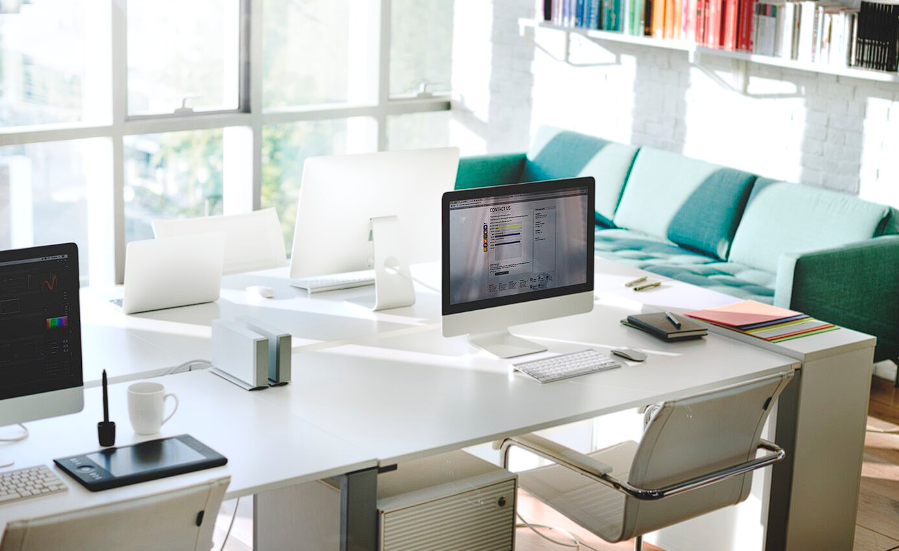
Despite their many advantages, private offices face challenges, such as cost implications and space utilisation inefficiencies, particularly for large corporations. To counter these challenges, organisations are innovating new space-efficient designs, such as modular and multi-purpose office layouts that can be adjusted or reconfigured based on need. This flexibility not only optimises space but also adapts to changing workforce dynamics and business needs.
In conclusion, the private office remains an essential feature in the shifting landscape of modern workspaces. As businesses continue to navigate new challenges and opportunities, these personal work environments will undoubtedly continue to evolve, reflecting the ongoing interplay between innovation, culture, and workforce satisfaction.