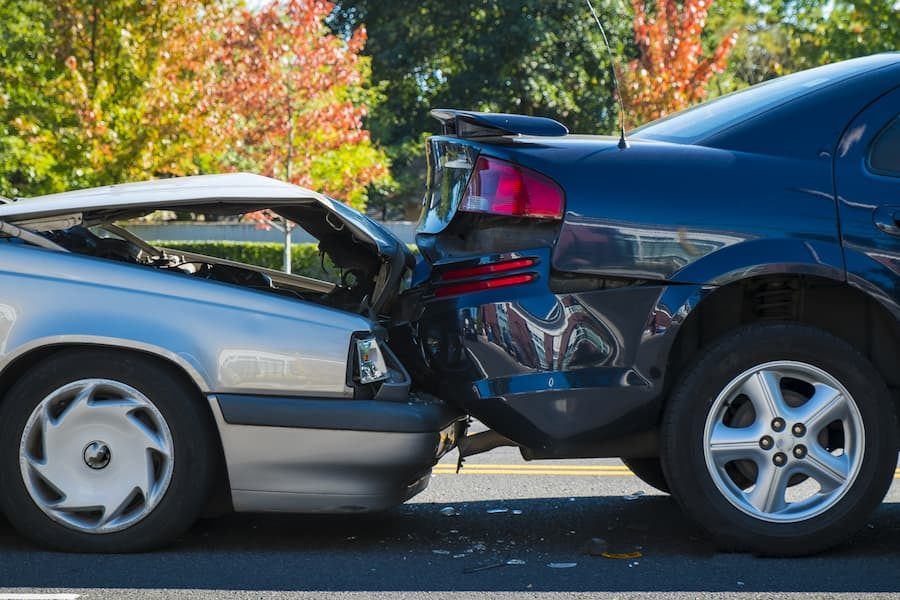
US-34 and US-85 are important Weld County corridors for commuting, freight traffic, family travel, and trips between Greeley, Garden City, Evans, and nearby communities. Busy intersections, changing speeds, turning vehicles, large trucks, and changing weather can make a routine drive more demanding. After a crash, a calm plan can help people protect their health, preserve useful information, and make informed next steps.
Safety begins before a collision occurs, but the first minutes afterward also matter. Drivers should focus on avoiding additional danger, calling for emergency help when needed, and documenting the scene only when it can be done safely. A collision can leave people shaken, and some physical symptoms may not be obvious immediately.
What To Do in the First Few Hours
On a high-speed roadway such as US-34 or US-85, the immediate priority is avoiding a second collision. If a vehicle can be moved safely out of active traffic, do so. If not, occupants should move away from traffic when it is safe and follow directions from emergency responders. Call 911 when someone is hurt, when vehicles pose a hazard, or when emergency assistance is needed.
- Check yourself and passengers for injuries.
- Exchange identification, vehicle, and insurance details when appropriate.
- Avoid debating fault at the roadside.
- Make brief notes about the time, location, direction of travel, and weather.
- Do not stand between vehicles or walk along traffic lanes to take photographs.
Why Medical Care Comes First
Adrenaline can temporarily mask pain after a crash. Neck strain, back pain, bruising, dizziness, and headaches can become more noticeable later. A medical professional can assess symptoms and provide instructions tailored to the individual. People should describe the crash clearly, report every symptom, and follow the care plan they receive.
A head impact is not required for a person to feel concussion-related symptoms after a sudden jolt. The CDC explains that mild traumatic brain injury symptoms can appear immediately or hours or days later. Worsening headache, repeated vomiting, confusion, weakness, seizures, unusual behavior, or loss of consciousness call for urgent medical attention.
Preserving Useful Evidence
Conditions at a crash scene can change quickly. When it is safe, photographs and notes may help create an accurate record of what was visible at the time. This can be especially useful around merging areas, intersections, access roads, or locations where sunlight, weather, traffic flow, or road debris may have affected visibility.
- Photograph the vehicle’s position and damage before repairs, if possible.
- Capture road markings, signals, signs, lighting, and visible conditions.
- Write down witness names and contact information.
- Save relevant messages, dash-camera files, and photographs.
- Keep damaged personal property, clothing, or safety equipment until it is documented.
Reporting the Crash
Reporting a collision creates a record, but it does not require a person to make assumptions about how the crash happened. Stick to direct observations, such as what you saw, heard, and experienced. A person seeking a copy later can ask the responding agency how to request it.
Handling Insurance Communications
Insurance conversations often begin soon after a collision. It is useful to provide accurate basic information while avoiding guesses about speed, injuries, or events that are still unclear. Keep copies of claim numbers, emails, letters, photographs, estimates, and forms. Read every document carefully, and ask questions when language or requested information is unclear.
Injuries That Can Appear Later
A person may leave the scene feeling mostly normal and later develop stiffness, headaches, sleep disruption, difficulty concentrating, or soreness that limits daily activities. Whiplash, soft-tissue injuries, back injuries, broken bones, nerve symptoms, and emotional distress can each require attention. Timely medical documentation helps a patient communicate clearly with providers and track changes during recovery.
Records and Costs To Track
Create one paper folder or secure digital folder for crash-related materials. Small expenses and details can be hard to recall weeks later, particularly while managing appointments, vehicle repairs, and work responsibilities.
- Keep medical visit summaries, bills, prescriptions, and therapy records.
- Save towing, storage, rental, and repair documents.
- Keep pay records that reflect missed work or reduced hours.
- Keep a daily journal of pain levels, mobility, sleep, and missed activities.
When Additional Guidance May Help
Some crashes involve serious injuries, several vehicles, commercial traffic, unclear facts, or extensive medical care. In those situations, people may benefit from discussing their circumstances with qualified professionals. Questions about deadlines, paperwork, releases, or responsibilities depend on the facts, so it is wise to raise them early rather than wait until records become difficult to locate. People hurt in a Weld County crash can also review local injury-claim information from Conduit Law.
Conclusion
Travel on US-34 and US-85 calls for attention before and after a collision. Prioritizing safety, medical care, accurate documentation, and organized records can help Weld County drivers respond thoughtfully during a stressful time.