
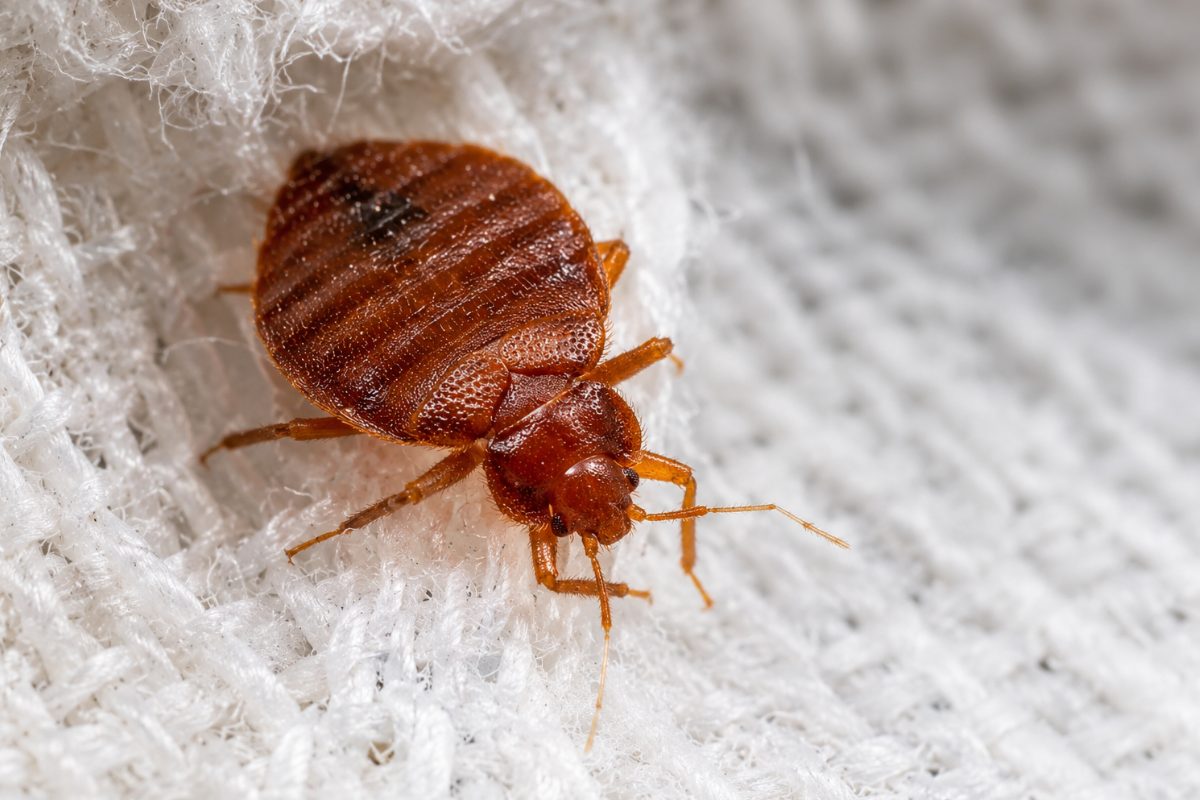
Bed bugs are among the most difficult household pests to control. They are small, discreet and extremely good at hiding, which means an infestation can go unnoticed until bites, blood spots on bedding or other signs begin to appear. Because they can hide in very small spaces and reproduce quickly, choosing the right bed bug treatment as soon as the first signs appear is essential.
Unlike some other pests, bed bugs have nothing to do with poor hygiene. They can be found in perfectly clean homes, hotels and commercial properties alike. They can enter a property through luggage, clothing, second-hand furniture or after spending time in an infested environment. Hotels, guesthouses, hospitals, trains, cinemas, libraries and rental apartments are just some of the places where bed bugs can be picked up and unknowingly transported elsewhere.
For this reason, finding bed bugs should not be seen as a sign of neglect. It is a pest control problem that requires a targeted and well-planned response.
How bed bugs develop and why they are so difficult to control
Bed bugs go through several stages of development, starting as eggs, followed by nymph stages and finally adults. After hatching, nymphs need a blood meal to progress to the next stage. Warm conditions can accelerate their development, which is one reason infestations may become more noticeable during warmer periods.
However, bed bugs are not strictly seasonal pests. If the conditions are suitable, they can survive and reproduce throughout the year in heated indoor environments.
Another factor that makes them particularly persistent is their ability to survive for extended periods without feeding. This allows them to remain hidden in vacant apartments, hotel rooms or other unused spaces and become active again when people return.
Female bed bugs can also produce a significant number of eggs during their lifetime. As a result, a small infestation can grow considerably if it is left untreated.
This is why an effective bed bug treatment requires more than cleaning the room or using a general-purpose spray. The treatment needs to target both the insects and the places where they hide.
Where do bed bugs hide?
Bed bugs usually stay close to their food source, which means sleeping and resting areas are their preferred locations. They tend to hide in dark, protected spaces around beds, sofas and other furniture.
Common hiding places include:
- Mattress seams and edges
- Bed frames and joints
- Behind headboards
- Cracks in wooden furniture
- Behind skirting boards
- Bedside tables and cabinets
- Upholstered chairs and sofas
- Behind pictures and wall decorations
- Cracks in flooring and other narrow gaps
Their flattened bodies allow them to squeeze into surprisingly small spaces. This makes a superficial inspection unreliable, particularly when the infestation is still developing.
The bedroom is often the main area affected, but bed bugs can gradually spread to other rooms. When choosing a bed bug treatment, it is therefore important to consider the behaviour of the pest and inspect the areas surrounding the main sleeping or resting location.
Signs of a bed bug infestation
Bites are often the first sign people notice. They can appear in clusters or in a line and are commonly found on exposed areas of skin such as the arms, legs, neck or back. However, bites alone are not enough to confirm a bed bug infestation because they can resemble bites caused by other insects.
Other signs to look for include:
- Small dark brown or black spots on bedding or furniture
- Tiny blood stains on sheets
- Live or dead bed bugs around mattress seams and furniture joints
- Eggs or shed skins in hidden areas
- A distinctive, slightly sweet or musty odour in heavier infestations
Finding one or more of these signs should trigger a more thorough inspection. The earlier an infestation is identified, the easier it is to contain before it spreads to additional areas.
How does liquid insecticide treatment work?
Liquid insecticides applied by spraying are among the most commonly used methods for bed bug control. Depending on the formulation, a liquid insecticide can act on bed bugs through direct contact and may leave a residual deposit on treated surfaces. This residual activity can affect insects that emerge from their hiding places after the initial application.
Application technique is extremely important. The treatment should be targeted rather than based on simply spraying large areas of the room.
Treatment commonly focuses on areas such as:
- Bed frames and their joints
- Mattress seams and edges, where permitted by the product label
- Behind headboards
- Furniture around the bed
- Skirting boards and floor cracks
- Behind pictures and other nearby wall decorations
- Sofas, armchairs and other upholstered furniture, particularly around seams and concealed areas
The exact areas that can be treated depend on the insecticide being used and its label instructions. Mattresses, bedding and other items that come into direct contact with people should never be treated unless the product is specifically approved for that use.
Why is one treatment usually not enough?
One of the most important things to understand about bed bug control is that a single treatment may not eliminate an infestation completely.
The main reason is the presence of eggs. Depending on the product and treatment method, eggs can be more difficult to control than active bed bugs. New nymphs may therefore emerge after the initial application.
For this reason, follow-up treatments are often required. The interval between applications depends on the insecticide and the infestation. Depending on the severity of the infestation, two or more treatments may be necessary. Older, established infestations can require additional interventions.
A reduction in activity after treatment is a positive sign, but it does not necessarily mean that every insect or egg has been eliminated. Continued monitoring remains important until there are no further signs of activity.
Combining spraying with ULV, aerosol or fumigant treatment
In some situations, liquid spraying can be complemented with a ULV (ultra-low-volume) treatment. After the appropriate surfaces have been treated, ULV application helps distribute a fine aerosol throughout the room and can reach areas that are difficult to access directly. Depending on the formulation and equipment used, it may also have a flushing effect, encouraging bed bugs to leave some hiding places and come into contact with treated surfaces.
When ULV equipment is not available, an appropriate insecticide aerosol or fumigant can be used as an alternative, provided that the product is specifically labelled and approved for use against bed bugs and for the intended application method. These products can help distribute the insecticide through the treated space and complement the residual treatment applied to surfaces.
Neither ULV nor aerosol or fumigant treatment should be considered a replacement for targeted residual spraying. Instead, these methods can serve as complementary steps within the same treatment programme, helping to increase exposure in areas that are difficult to reach with liquid insecticides alone.
After treatment, the room must remain vacant for the period specified on the product label and in the treatment protocol. It should then be thoroughly ventilated before being used again.
Cleaning and vacuuming after treatment
Cleaning also plays an important role in bed bug management, but timing matters.
Vacuuming can help remove dead insects, shed skins and some eggs from accessible areas. Particular attention should be given to mattress seams, bed frames, cracks, skirting boards and other locations where bed bugs or signs of activity have been found.
The contents of the vacuum cleaner should be disposed of immediately in a securely sealed bag to reduce the risk of spreading live insects to another area.
Reducing clutter around the bed is also useful. Clothing, boxes, bags and other objects can create additional hiding places and make inspection and treatment more difficult.
However, surfaces that have been treated with a residual insecticide should not be cleaned immediately if doing so would remove the product. The instructions for the specific insecticide should always take priority.
What about insecticide resistance?
Insecticide resistance is another factor that can complicate bed bug control. Populations may become less susceptible to certain active ingredients or insecticide classes, particularly when the same products are repeatedly used over time.
When a treatment does not produce the expected results, simply applying more of the same product is not necessarily the answer. Incorrect application, untreated harbourages, reinfestation and resistance can all contribute to treatment failure.
Where resistance is suspected, you may need to consider a different active ingredient or mode of action and integrate chemical treatment with non-chemical measures.
From the first signs to complete control
An effective bed bug treatment starts with understanding how these pests behave, where they hide and how an infestation can spread. Bed bugs can survive without feeding, hide in extremely narrow spaces and reproduce quickly, making a superficial treatment unlikely to solve the problem.
The key is not simply choosing an insecticide, but applying it correctly, treating the relevant harbourages and following up at the right time. A successful treatment should address the infestation as a whole rather than focusing only on the insects that are visible.
When the first signs appear, acting early can make the process considerably easier. The sooner the infestation is identified and properly treated, the fewer opportunities bed bugs have to spread through the property.