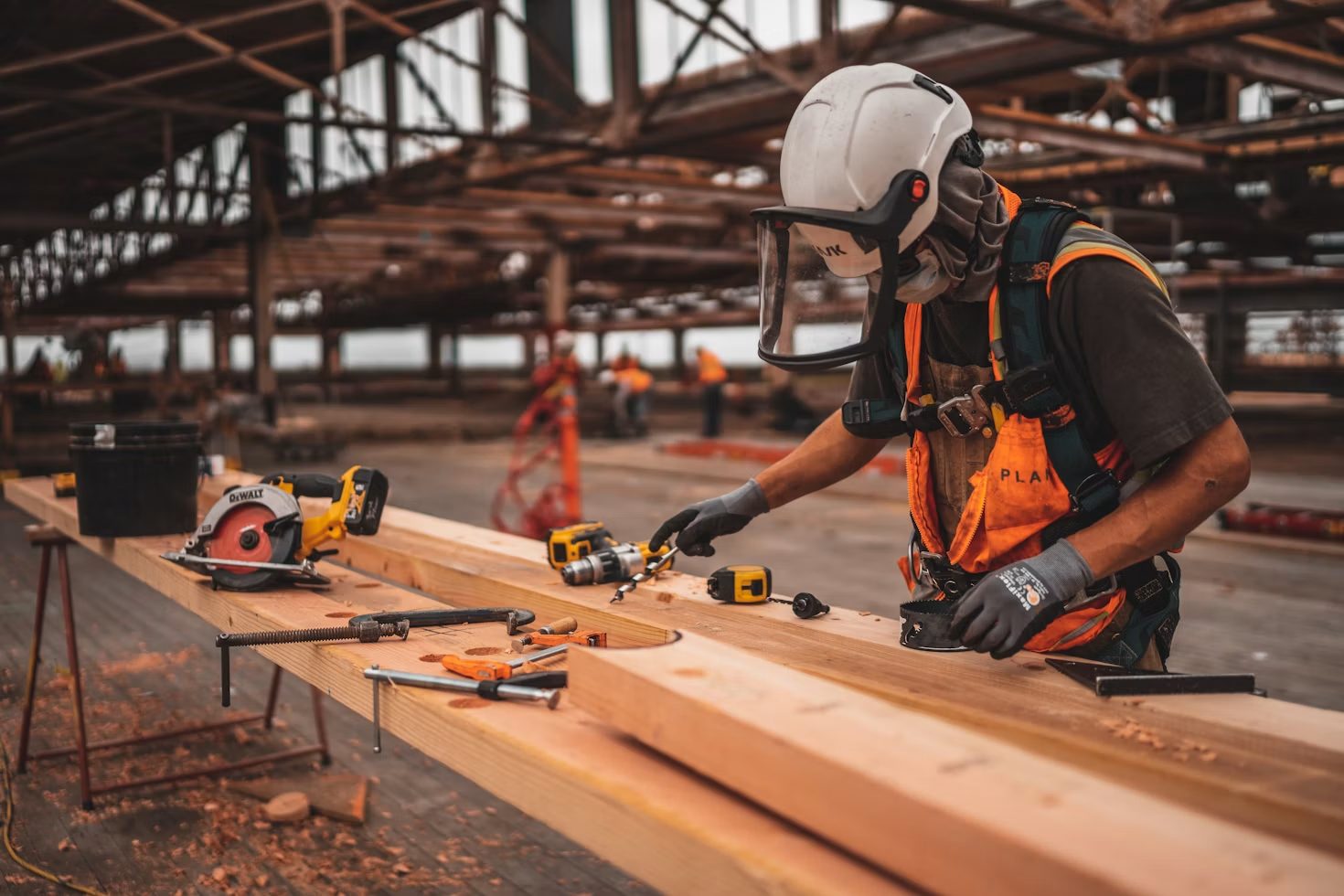
Carpentry contracting combines technical skills, design knowledge, and practical construction experience to create functional spaces and furniture. From built-in cabinets and wardrobes to kitchen fittings and customised furniture, carpentry contractors play an important role in residential and commercial projects.
A carpentry contractor is responsible for turning design concepts into finished structures. This involves selecting suitable materials, taking accurate measurements, preparing designs, managing installation, and ensuring that the completed work meets the required specifications. For renovation projects, working with a Classic Furniture carpentry contractor can also help improve the organisation, functionality, and appearance of interior spaces.
The Role of a Carpentry Contractor
Carpentry contractors handle various aspects of interior construction and custom furniture production. Their work can include kitchen cabinets, wardrobes, shelving systems, TV consoles, storage units, doors, feature walls, and other built-in elements.
Unlike standard furniture that comes in fixed sizes and designs, custom carpentry allows furniture and fittings to be adapted to the dimensions of a particular space. This can be especially useful for rooms with unusual layouts, limited floor space, or specific storage requirements.
Contractors typically work from drawings or design concepts before proceeding with fabrication and installation. Accurate planning helps ensure that each component fits properly and works with other elements within the space.
Custom Furniture and Built-In Solutions
Custom furniture is one of the key applications of modern carpentry. Instead of relying entirely on ready-made pieces, homeowners can have furniture designed according to their available space, storage needs, and preferred style.
Built-in wardrobes, for example, can make use of otherwise unused wall space while providing organised storage. Custom cabinets can also be designed around specific dimensions, appliances, and household requirements.
The same approach applies to living rooms, bedrooms, study areas, and other parts of a home. Features such as shelving, storage compartments, drawers, and integrated furniture can be planned as part of the overall interior layout.
Kitchen Carpentry and Functional Design
Kitchen carpentry requires careful planning because cabinets and storage systems need to accommodate appliances, work surfaces, plumbing, and electrical requirements. Contractors must consider measurements, access, material selection, and the intended use of each section.
Well-planned kitchen cabinets can improve storage and make everyday tasks more convenient. The placement of drawers, shelves, cabinets, and worktops can be adapted to suit the layout of the kitchen.
Material selection is also important. Different boards, laminates, finishes, hardware, and fittings have different characteristics and maintenance requirements. Contractors need to recommend options that are appropriate for the intended use and expected level of durability.
Precision in Carpentry Work
Accuracy is essential in carpentry contracting. Small measurement errors can affect the alignment of cabinets, doors, shelves, and other built-in features. Contractors therefore need to take precise measurements before fabrication begins.
Modern technology can support this process. Digital drawings, computer-aided design software, laser measuring devices, and other tools can improve planning and reduce the likelihood of errors.
However, technology does not replace practical woodworking skills. Contractors still need knowledge of materials, joining methods, installation techniques, and finishing processes to produce consistent results.
Carpentry in Home Renovation
Carpentry is an important part of many home renovation projects. When a property undergoes renovation, built-in furniture and storage can be planned alongside other interior elements to create a more coordinated space.
Renovation carpentry may involve replacing existing cabinets, creating new wardrobes, installing storage systems, or producing customised furniture for different rooms. Contractors must often work around existing walls, flooring, electrical systems, plumbing, and other structural features.
Good coordination is therefore important. Measurements and designs need to account for the existing conditions of the property before fabrication and installation take place.
Material Selection and Durability
The choice of materials has a direct effect on the appearance, performance, and lifespan of carpentry work. Contractors may work with different types of boards, veneers, laminates, timber, finishes, hinges, handles, drawer systems, and other hardware.
Material selection should consider the location and purpose of each item. Kitchen cabinets, for instance, may have different requirements from bedroom wardrobes or decorative furniture.
Durability also depends on proper fabrication and installation. Accurate cutting, secure joints, suitable hardware, and appropriate finishing can all contribute to the performance of the finished product.
Safety and Quality Control
Safety is an important part of carpentry work, particularly during fabrication and installation. Contractors may use saws, drills, sanders, cutting equipment, and other machinery that require proper handling.
Appropriate protective equipment, safe operating procedures, equipment maintenance, and organised work areas can help reduce workplace risks.
Quality control is equally important. Contractors should check measurements, finishes, fittings, alignment, and installation before completing a project. Addressing issues during fabrication or installation can prevent larger problems later.
The Value of Skilled Carpentry
Skilled carpentry contributes to both the functionality and appearance of an interior space. Custom-built furniture can make better use of available areas while providing storage and features suited to the occupants' needs.
The quality of the finished work depends on several factors, including accurate planning, appropriate materials, skilled fabrication, and careful installation. A combination of traditional woodworking knowledge and modern technology allows contractors to produce customised solutions for different types of properties.
Conclusion
Carpentry contracting extends beyond basic woodworking. It involves design planning, material selection, precise fabrication, installation, and coordination with other aspects of construction and renovation.
Custom furniture, kitchen cabinets, wardrobes, and built-in storage can be designed around the dimensions and requirements of individual spaces. With careful planning and skilled workmanship, carpentry contractors can create practical interior solutions that complement the overall design of a property.
As renovation and interior design continue to place greater emphasis on efficient use of space, customised carpentry remains an important part of creating functional and well-organised environments.