Red wines have a long-standing reputation for their complexity, variety, and the rich cultural history they represent. Appreciated worldwide, these wines offer flavours that range from light and fruity to bold and robust. This article delves into the characteristics of red wines, covering their types, production methods, and ways to appreciate their diversity.
The Diversity of Red Wine Varieties
Simply put, red wines come from dark-coloured grape varieties. Among the most popular are Cabernet Sauvignon, Merlot, Pinot Noir, Shiraz (or Syrah), and Malbec. Each grape type produces distinct flavour profiles influenced by climate, soil, and winemaking techniques.
Cabernet Sauvignon is known for its deep colour, full body, and high tannin content. It often exhibits notes of blackcurrant, cedar, and green bell pepper. Conversely, Pinot Noir typically produces lighter-bodied wines with bright acidity and flavours such as cherry, raspberry, and mushroom.
How Terroir Influences Red Wines
Terroir refers to the unique combination of soil, climate, and topography where vines are cultivated. This concept plays a significant role in shaping the characteristics of red wines. For example, grapes grown in cooler climates tend to have higher acidity and lighter tannins, while warmer regions contribute to riper fruit flavours and fuller bodies.
Soil Types and Their Impact
Different soil types can affect vine growth and wine quality. Chalky soils often encourage vine roots to delve deep, producing wines with minerality and finesse. In contrast, clay soils retain moisture, which can help in drier climates but may result in heavier wines.
Winemaking Techniques for Red Wines
The production of red wines involves several steps that influence the final product's taste and texture. Key among these is fermentation, where grape skins are kept in contact with the juice to impart colour, tannins, and flavour compounds.
Another important process is ageing. Red wines may be aged in stainless steel tanks, large oak vats, or small oak barrels. Barrel ageing lends additional complexity, such as vanilla, spice, and smoky notes, depending on the type and age of the wood used.
Tannins and Their Role
Tannins, naturally occurring in grape skins and seeds, are crucial to red wine’s structure. They contribute to the wine’s dryness and astringency, influencing how it pairs with food and its potential for ageing. Younger red wines typically possess higher tannin levels, which mellow over time.
Health Considerations Associated with Red Wines
Moderate consumption of red wine has been associated with certain health benefits, largely attributed to antioxidants such as resveratrol found in grape skins. These compounds may contribute to cardiovascular health by promoting good cholesterol and reducing inflammation.
However, it is necessary to stress that excessive alcohol intake has detrimental effects. Responsible drinking is essential to enjoy red wines safely and healthily.
Food Pairing with Red Wines
One of the appealing aspects of red wines is their versatility in pairing with various foods. Full-bodied reds such as Cabernet Sauvignon pair well with red meats, aged cheeses, and dishes with rich sauces. Lighter reds like Pinot Noir complement poultry, pork, and mushroom-based recipes.
Understanding a wine's flavour profile can significantly enhance dining experiences, allowing flavours to complement and enhance each other.
Serving Temperatures
Serving red wine at the appropriate temperature is important to fully appreciate its attributes. Lighter reds are best served slightly chilled, around 12-14°C, while fuller-bodied wines benefit from being served closer to room temperature, approximately 16-18°C. Improper serving temperatures can mute flavours or heighten alcoholic sensations.
Global Red Wine Producing Regions
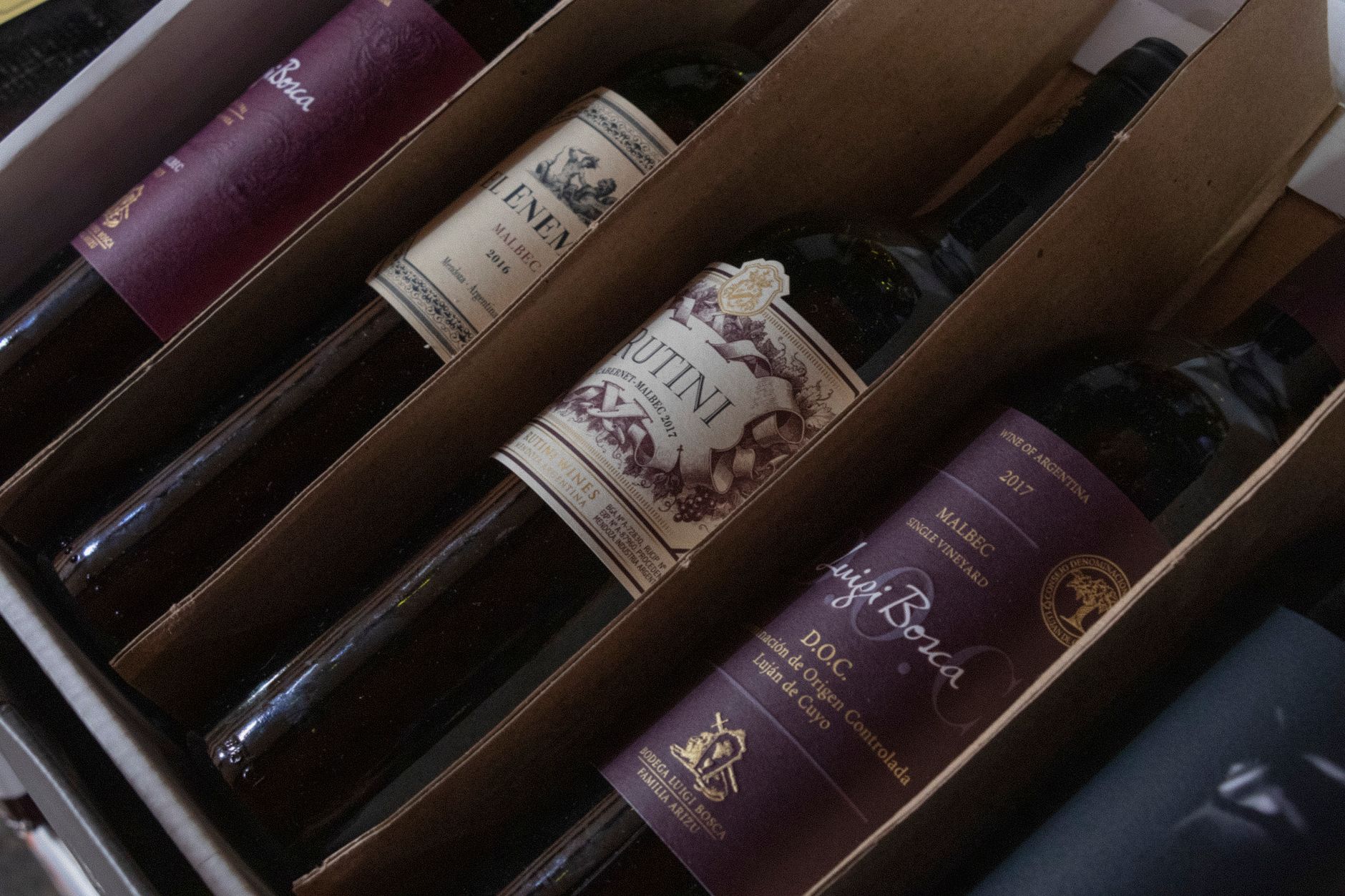
Red wines are produced globally, with notable regions including Bordeaux and Burgundy in France, Napa Valley in the United States, Barossa Valley in Australia, and Mendoza in Argentina. Each region offers distinct styles determined by local grape varietals and winemaking traditions.
Australia’s Contribution
Australia has garnered international attention for its vibrant and intense red wines, particularly Shiraz. The Barossa Valley is a well-known area producing rich and fruit-forward styles that have gained popularity worldwide.
Storage and Ageing of Red Wines
Proper storage plays a pivotal role in preserving red wine quality. Bottles should be kept horizontally in a cool, dark environment with stable humidity and temperature. Excessive heat or light exposure can degrade the wine prematurely.
While many red wines benefit from ageing, allowing complex flavours to develop over time, others are crafted to be enjoyed young and fresh. Understanding the characteristics of a specific wine helps determine its ageing potential.
Exploring Red Wines Online
With the rise of online wine retailers, exploring and purchasing red wines has become more accessible. Consumers can discover a vast array of options to suit various tastes and budgets. Trusted online platforms often provide detailed descriptions and reviews, easing the selection process.
For those interested in expanding their collection or trying new styles, browsing specialised websites dedicated to red wines provides an excellent starting point.
Conclusion
The world of red wines is vast and diverse, offering a nuanced experience for both casual drinkers and connoisseurs. From grape variety and terroir to winemaking techniques and food pairings, numerous factors contribute to the unique profile of each bottle.
Understanding these elements enhances appreciation and enjoyment of red wines, encouraging exploration beyond familiar labels. Whether selecting a robust Cabernet Sauvignon, a fragrant Pinot Noir, or an Australian Shiraz, each offers a glimpse into the rich heritage and artistry behind wine production.