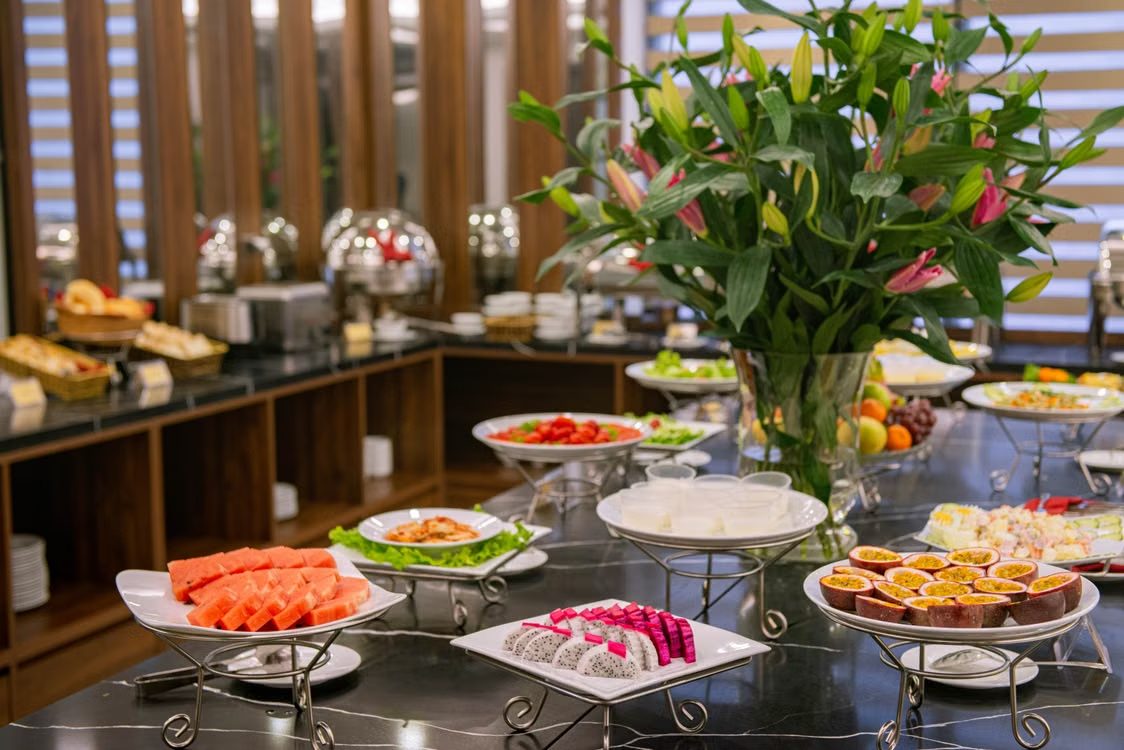
A hotel dinner buffet offers a dining experience that often combines a wide food selection with attentive service and a comfortable setting. In Singapore, hotel restaurants attract diners looking for a relaxed evening meal, a family gathering or a special occasion. Their buffet spreads often feature several cuisines, allowing guests to enjoy different dishes without having to choose a single style of food.
However, the experience at a hotel dinner buffet varies between hotels. Some restaurants focus on international cuisine, while others place greater emphasis on seafood, Asian specialities or seasonal menus. Understanding what makes each buffet different helps you choose a restaurant that suits your preferences and budget.
What Sets a Hotel Dinner Buffet Apart?
Hotel buffets often bring together a variety of dishes in one dining space. Depending on the restaurant, the spread might include local favourites, Japanese selections, Western mains, seafood, salads and desserts.
The range is useful when dining with a group because everyone has the freedom to choose according to their own tastes. Someone who prefers lighter dishes can start with salads and appetisers, while another diner might head straight for the hot food or seafood section.
The dining environment is another consideration. Many hotel restaurants offer spacious seating, organised food stations and service suited to longer meals. Some also have open kitchens or live cooking counters, where selected dishes are prepared upon request.
These features contribute to the experience, although the quality of the food and service remains more important than the size of the restaurant or the number of stations.
Look at the Cuisine and Menu Selection
The menu is one of the most important factors when comparing hotel dinner buffets. International spreads usually offer a broad selection, which makes them suitable for groups with different preferences. These might include pasta, roasted meats, Asian noodles, curries, seafood and desserts.
Some hotel restaurants place more emphasis on regional cuisine. A Singapore-focused spread might feature familiar local dishes, while another venue might highlight Japanese, Chinese or Indian specialities. Seasonal menus can also introduce dishes associated with particular celebrations or ingredients.
Before booking, check the restaurant's current menu rather than relying on an older review or photograph. Buffet selections change, and promotional menus might be available only on selected dates. If you are visiting for a particular dish, confirm its availability with the restaurant.
Seafood and Live Cooking Stations
Seafood is a major attraction at many hotel buffets. Depending on the restaurant and menu, diners might find prawns, mussels, crabs, shellfish or fish prepared in different ways. Some items are served chilled, while others are steamed, grilled or cooked with sauces.
Freshness and proper food handling should be priorities. Chilled seafood needs to be kept at suitable temperatures, while cooked items should be replenished and maintained appropriately. If you have concerns about an ingredient or preparation method, speak to the restaurant staff.
Live cooking stations provide another element of variety. Chefs might prepare noodles, grilled meats, eggs or other dishes according to individual requests. This gives diners access to freshly prepared food rather than relying entirely on dishes that have been sitting at a buffet station.
During peak dinner periods, these counters might attract queues. It helps to visit them at a comfortable pace rather than trying to sample everything immediately.
Is a Hotel Dinner Buffet Suitable for Special Occasions?
Hotel buffets are often considered for birthdays, anniversaries, family reunions and other gatherings. The broad menu makes it easier to accommodate different preferences, while the restaurant setting provides a convenient place for everyone to meet.
For a celebration, check whether the restaurant offers birthday arrangements, group seating or private dining options. Some venues might provide a small complimentary arrangement, while others have specific packages or additional charges. Confirm these details before making a reservation.
The needs of your guests also matter. Families with young children might prefer a restaurant with suitable seating and accessible facilities. For gatherings involving older relatives, consider the distance between tables and food stations, as well as the ease of entering and moving around the restaurant.
A hotel buffet is not automatically the best choice for every event, but it can be a practical option when the group wants variety and a relaxed meal.
Understand the Price and What It Includes
Hotel dinner buffet prices in Singapore vary according to the restaurant, menu, day and dining period. A spread featuring premium seafood or special seasonal dishes might cost more than a standard international buffet.
When comparing prices, check whether service charge and prevailing Goods and Services Tax are included in the advertised amount. Find out whether beverages are part of the package or charged separately. Some restaurants include selected drinks, while others offer them as optional additions.
Promotions can make hotel buffets more affordable, but the terms deserve attention. Discounts might apply only on certain weekdays, require booking or be limited to selected payment methods. Child pricing and age requirements can also differ between venues.
Rather than choosing based on the headline price, compare the full amount with the menu, service and overall dining experience.
Check Dietary Requirements Before Booking
A buffet offers variety, but it does not guarantee that every dietary requirement will be accommodated. Vegetarian diners should check whether suitable dishes are available and whether sauces or stocks contain meat or seafood ingredients.
People with food allergies should contact the restaurant directly before visiting. Buffet dishes may share preparation areas, utensils and serving equipment, creating a risk of cross-contact. A dish label might not provide all the information needed to make a safe decision.
If you follow a specific diet or have a serious allergy, explain your requirements clearly to the restaurant. Ask whether staff can provide ingredient information and whether any suitable arrangements are possible. Do not assume that a dish is safe based on its appearance alone.
Choose a Convenient Location and Dining Time
Location can influence how enjoyable the evening feels, especially when several people are travelling from different parts of Singapore. A hotel near an MRT station or within a familiar shopping and business district might be easier for guests to reach.
Check the restaurant's dinner operating hours and whether it uses fixed seating periods. Some buffets have a set dining duration, so arriving late might reduce the time available to enjoy the meal. If you are organising a larger gathering, ask about arrival arrangements and whether the restaurant can seat everyone together.
Weekend evenings and festive periods are often popular, making reservations worthwhile. Booking early also gives you time to confirm special requests and clarify any conditions.
Final Thoughts
A hotel dinner buffet can turn an ordinary evening into a more relaxed dining occasion, with a range of cuisines and dishes available in one setting. The experience depends on more than the menu, though. Food quality, service, seating arrangements and convenience all influence whether the restaurant is worth visiting.
Before making a reservation, check the current selection, pricing and dining conditions. If you are organising a celebration or have guests with dietary requirements, confirm the arrangements directly with the restaurant. A little preparation helps ensure the buffet suits the people attending and the occasion being planned.