Producing high-quality Japanese green tea powder requires strict agricultural discipline and precision. Farmers spend generations perfecting their farming methods to cultivate the finest leaves possible. Unlike standard teas, this vibrant powder requires a highly specialised growing process. A single mistake during the harvest can completely ruin the final flavour profile.
If you want to understand true tea craftsmanship, you must look closely at the harvest. In this blog, you will explore five harvesting techniques for producing premium matcha green tea.
1. Shading the Tea Bushes
Weeks before the harvest, farmers cover the tea plants with heavy shade cloths. Intentionally blocking sunlight forces the plant to quickly get used to being in the dark. This process of shading is very important for the quality of growing matcha green tea.
Here are the specific benefits of shading tea plants before harvest:
- Boosting Amino Acids: Shade increases L-theanine levels to create a sweet, rich flavour profile
- Enhancing Leaf Colour: Increased chlorophyll production gives the final powder its famous bright green hue
- Preventing Bitter Tastes: Blocking sunlight stops the conversion of sweet amino acids into bitter catechins
2. Handpicking the Finest Leaves
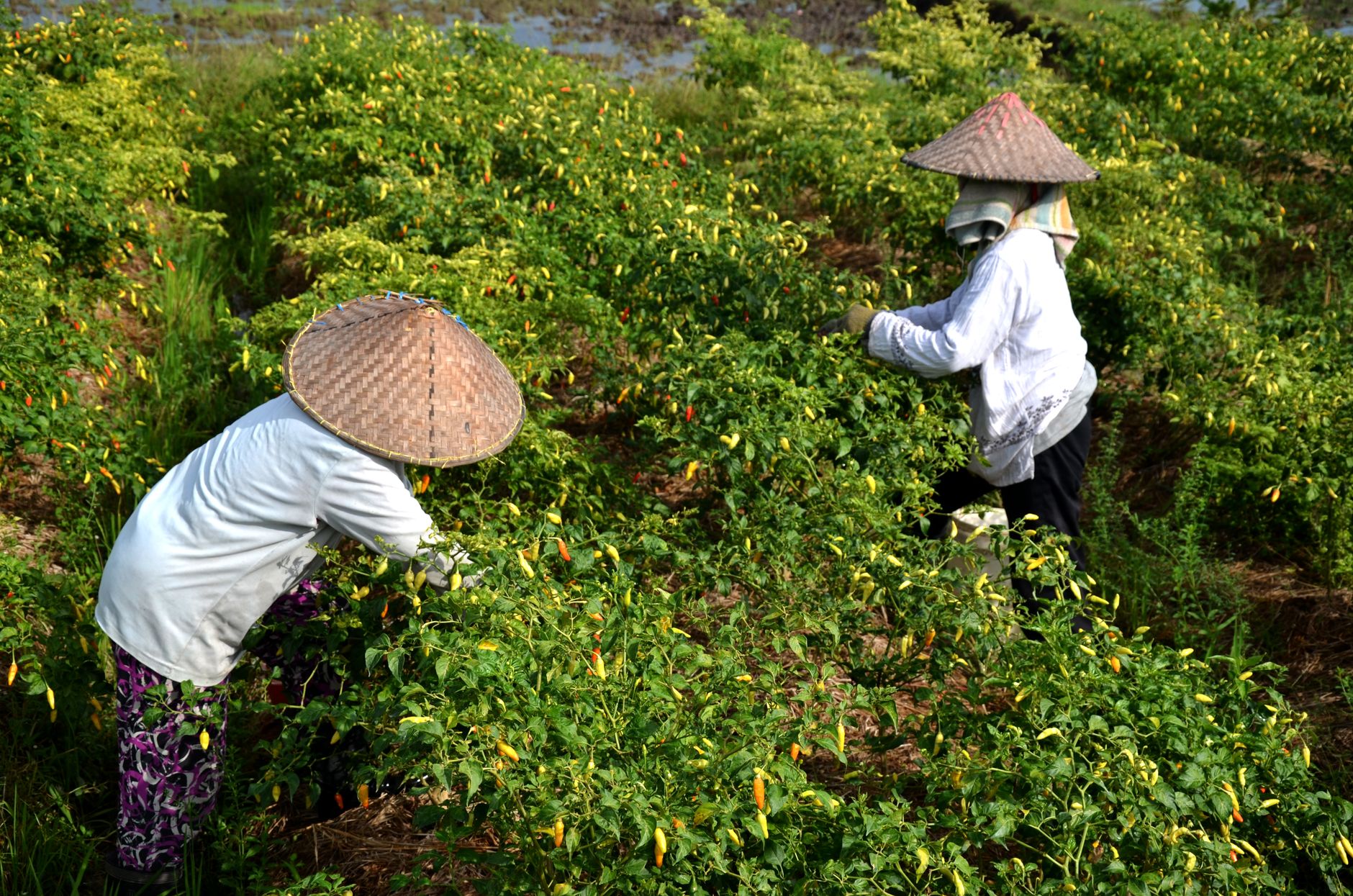
Machines often damage delicate tea leaves and gather unwanted stems during the harvest. Premium farms rely entirely on skilled workers to carefully handpick the leaves instead. These experts know exactly which tender shoots will produce the smoothest powder.
Workers carefully pluck only the youngest, softest leaves at the very top of the bush. Gentle handling prevents bitter stalk fluids from mixing with the sweet leaves. This careful selection process guarantees only the highest grade material enters the production facility. It is a slow, methodical process that dictates the final quality of the tea.
3. Steaming to Stop Oxidation
Immediately after picking, workers rush the fresh leaves to the steaming facility. This speed prevents the leaves from naturally oxidising and turning brown in the air. A quick blast of hot steam halts the internal enzymes responsible for this breakdown. The steam locks in the vibrant green colour and fresh aroma perfectly.
These are the main reasons rapid steaming is essential for green tea production:
- Halting Fermentation: Heat deactivates the enzymes that cause tea leaves to darken and ferment
- Locking In Nutrients: Rapid steaming preserves the vital antioxidants and vitamins inside the leaf structure
- Maintaining Fresh Aromas: The process keeps the natural, grassy scent intact for the final grinding stage
4. Cooling and Drying the Harvest
Once steamed, the wet leaves must dry quickly without losing their internal nutrients. Large blowers push cool air across the leaves as they travel along conveyor belts. This gentle cooling process stops the cooking action started by the hot steam jets.
Flat leaves are much easier to process during the final destemming stages. Proper moisture control prevents harmful mould growth while preserving the vital antioxidants inside. The resulting dried material is known as tencha, the direct precursor to the final powder.
5. Destemming for Pure Tencha
Before the leaves become powder, workers must remove every single tough vein and stem. Only the soft, fleshy part of the leaf contains the desired sweet flavour profile. Machines gently sort the dried material to separate the delicate leaf tissue completely.
Eliminating stalks prevents harsh flavours from ruining the delicate tea infusion. Pure leaf tissue grinds perfectly without damaging the expensive granite grinding stones. This meticulous sorting separates premium ceremonial grades from cheaper culinary options.
Savour Authentic Japanese Tea Craftsmanship
The journey from a shaded bush to a vibrant powder involves incredible agricultural skill. Every harvesting technique contributes directly to the final taste, colour, and texture of the beverage. Drinking premium tea means you are consuming the result of intense dedication and precision.
Avoid low-quality powders that skip these crucial processing steps. Purchase high-grade loose leaves today and experience the true taste of Japanese craftsmanship.