Live music is about more than talented performers and memorable songs. The atmosphere, lighting, sound, crowd interaction, and visual presentation all contribute to the experience that keeps audiences talking long after the final song. While fans naturally focus on the artists, the infrastructure behind a successful performance plays an equally important role in bringing the show to life.
From intimate acoustic sessions to large outdoor festivals, thoughtful stage planning influences how audiences connect with performers. Understanding these details reveals why staging has become an essential part of modern entertainment and live event production.
1. Why Stage Design Matters More Than You Think
Imagine attending a live performance where the musicians are difficult to see, the lighting creates distracting shadows, and the performers have limited room to move. Even an excellent musical performance can feel less engaging when the environment works against it.
Effective stage design addresses these challenges by creating a visual focal point for the event. Elevation helps audiences see performers over the crowd, while the arrangement of instruments and equipment supports a more organized presentation.
The design also establishes the mood. A minimalist platform with warm lighting might suit an intimate acoustic performance, whereas a wider stage with dynamic lighting can complement an energetic rock concert. The objective is to make the environment feel connected to the music rather than separate from it.
Good staging also supports the practical needs of performers, sound engineers, lighting technicians, and event organizers, helping different parts of the production work together.
2. How Lighting and Stage Layout Transform a Performance
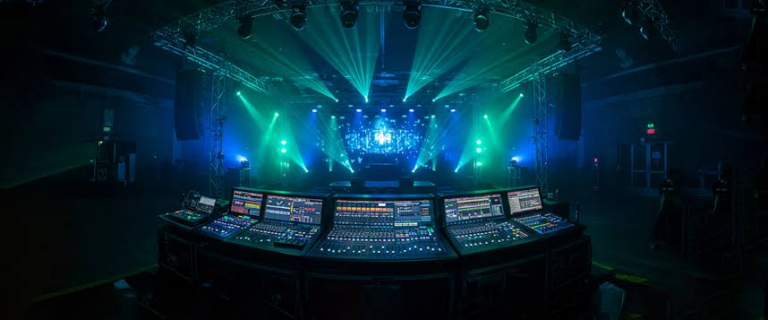
Lighting is one of the most powerful tools in live entertainment. It directs attention, establishes atmosphere, and creates visual contrast throughout a show.
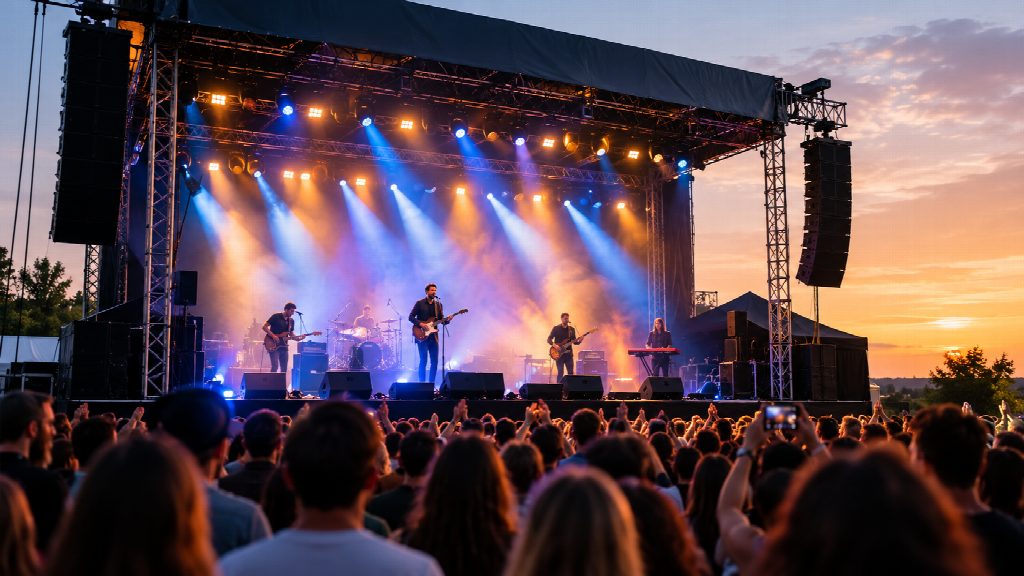
Soft, warm lighting can make a singer-songwriter performance feel personal, while moving lights and carefully timed color changes can intensify the energy of dance music or a festival headline act. Backlighting can create dramatic silhouettes, and focused spotlights help audiences follow a solo performer.
However, lighting depends on the physical layout of the performance area. Equipment needs suitable mounting positions, technicians require access to controls, and performers need enough room to move without obstructing lighting effects.
A well-planned concert stage brings these elements together. Its dimensions, elevation, and arrangement should reflect the number of performers, the equipment involved, and the intended visual experience.
The best results come from coordinating lighting plans with the stage layout early, rather than treating them as separate decisions immediately before the event.
3. Why Audience Sightlines Influence Event Enjoyment
Visibility can determine whether an audience member feels involved in a performance or disconnected from it. People standing near the back of a crowded venue may struggle to see performers if the stage is too low or the layout does not account for the audience’s position.
Organizers can improve visibility by considering the venue’s dimensions, audience capacity, seating arrangements, and expected viewing angles. Stage elevation may help in certain settings, although the appropriate height depends on the venue, safety requirements, and the nature of the event.
The layout should also consider screens, speakers, lighting structures, and other equipment that could obstruct views.
For seated performances, clear sightlines are particularly important because guests generally remain in one position throughout the show. At standing-room events, organizers must consider how crowd density and movement might affect visibility.
These details may seem technical, but they directly influence how comfortable and immersive an event feels.
4. The Growing Importance of Flexible Event Spaces
Entertainment venues increasingly host different types of events throughout the year. A community hall might accommodate a school performance one weekend, a corporate presentation the next, and a live music event later in the month.
Building a permanent setup for every possible event can be impractical. Flexible staging allows organizers to adapt the performance area to changing requirements without redesigning the entire venue.
A portable stage can provide an elevated platform for musicians, speakers, DJs, and performers in locations without permanent theatrical infrastructure. Modular designs can also allow multiple platform sections to be arranged into different footprints, depending on the system’s specifications.
This flexibility is useful for outdoor celebrations, temporary entertainment spaces, school auditoriums, and multipurpose venues. It can also help event teams manage limited storage and transportation capacity.
Before choosing a system, organizers should consider assembly requirements, platform dimensions, load ratings, surface conditions, and compatibility with accessories. Flexibility is most valuable when the equipment fits the actual demands of the event.
5. Behind-the-Scenes Planning Makes Performances Smoother
Audiences rarely see the preparation that takes place before a live show. Yet the quality of this preparation can influence everything from performer comfort to the timing of transitions between acts.
Event teams typically need to coordinate equipment delivery, stage assembly, sound checks, lighting tests, performer access, and backstage movement. Each activity depends on a clear schedule and well-defined responsibilities.
For example, musicians need enough space for instruments and amplifiers, while technicians require safe access to cables and equipment. If multiple performers are scheduled, the layout should allow equipment changes without unnecessary delays.
A well-organized setup also includes clearly marked pathways and appropriate separation between performers, technical equipment, and audience areas.
Planning these details before arriving at the venue reduces last-minute decisions and gives the production team more time to address unexpected challenges.
6. Safety Is an Essential Part of Live Entertainment
A visually impressive setup should never come at the expense of safety. Raised platforms, electrical equipment, lighting structures, and large crowds introduce risks that must be managed through proper planning.
Organizers should verify the platform’s rated capacity and ensure it can safely accommodate performers, instruments, speakers, and other equipment. Loads should be distributed according to the manufacturer’s instructions, and the entire structure must be assembled and inspected as specified.
Access stairs, guardrails, ramps, and accessible routes should be provided wherever required by the setup and applicable regulations. Cables should be secured to reduce trip hazards, and electrical equipment must be suitable for the operating environment.
Outdoor events require additional attention to ground conditions and weather. Wind, rain, and uneven surfaces can affect equipment stability and electrical safety. Event teams should follow venue requirements, local regulations, and manufacturer guidance, including any instructions for suspending operations in unsafe weather.
Safety planning is not simply a technical formality. It helps protect performers, production staff, and audience members while supporting a more reliable event.
7. Choosing Equipment That Supports Different Performances
The right equipment depends on the type of entertainment being presented. A solo musician may need only a small platform, whereas a full band requires room for multiple instruments, performers, monitors, and supporting equipment.
Event planners should start by identifying the expected number of performers, the available venue space, and the production requirements. They should then evaluate platform dimensions, height adjustments, transport needs, storage space, and setup time.
For organizations that host frequent events, reusable modular equipment may offer greater flexibility than relying on a fixed configuration for every occasion. However, the initial purchase price is only one consideration. Maintenance, accessories, transportation, staffing, and long-term durability also affect overall value.
Before purchasing, check technical documentation, load ratings, assembly instructions, and the availability of compatible components. If the equipment will be used outdoors or in public venues, confirm that it meets the requirements of the intended environment.
The goal is to choose equipment that supports the performance without creating unnecessary complexity for the production team.
8. Creating a More Memorable Live Entertainment Experience
The most successful live events combine artistic creativity with careful practical planning. Music creates the emotional connection, lighting establishes the atmosphere, and thoughtful staging helps audiences see and engage with the performance.
When these elements are coordinated, even a modest venue can feel professional and inviting. Organizers can improve the experience by understanding audience needs, planning equipment placement, coordinating technical teams, and prioritizing safe access and movement.
Staging decisions also influence the performers themselves. A comfortable, appropriately sized performance area allows musicians and entertainers to concentrate on their work rather than adjust to avoidable limitations.
As live entertainment continues to evolve, adaptable event spaces and well-planned production systems will remain important for concerts, festivals, community performances, and private celebrations.
Ultimately, the magic of a live show comes from what the audience experiences. Behind that experience is a combination of creative vision, technical expertise, and thoughtful preparation that helps every performance make a lasting impression.