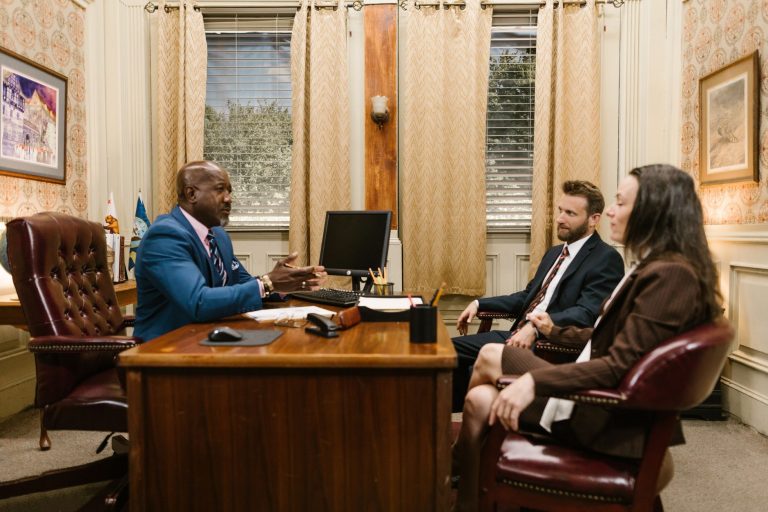
Losing a loved one because of another person's careless or wrongful actions can leave a family facing grief, financial pressure, and difficult decisions. While no legal action can replace the person who died,pursuing a wrongful death claim may help eligible family members recover compensation for their losses. Understanding how these claims work, what damages may be available, and what evidence matters can help families make informed choices during a difficult period.
What Is a Wrongful Death Claim?
A wrongful death claim is a civil action brought when a person dies because of another party's negligent, reckless, or wrongful conduct. These cases may arise from car crashes, workplace incidents, unsafe property conditions, medical negligence, or defective products.
The purpose of a wrongful death claim is to address the losses suffered by eligible survivors or beneficiaries. Depending on the circumstances, the responsible party may be an individual, a business, a property owner, a healthcare provider, or another organization.
Wrongful death laws determine who can bring a claim, which damages may be recovered, and how compensation is distributed. Some claims are filed by an estate representative on behalf of eligible beneficiaries. Other legal rules may apply to claims involving the deceased person's own losses before death.
Families should understand that a criminal case and a wrongful death claim are different legal proceedings. A criminal case focuses on punishment for an offense, while a civil claim seeks financial recovery for legally recognized losses. A civil claim may sometimes proceed even when criminal charges are not filed.
Who Can File a Wrongful Death Claim?
Not every relative automatically has the right to file a wrongful death claim. Eligibility depends on the law that applies to the case and the relationship between the deceased person and the claimant.
A surviving spouse, children, or parents may qualify under certain laws. Other relatives or dependents may also have rights in specific circumstances. In some cases, an executor or personal representative must bring the action on behalf of the estate or eligible beneficiaries.
Before filing, families should determine who has legal standing and whether any special filing requirements apply. An attorney can review the family relationships, estate documents, and available evidence to identify the appropriate claimant.
What Compensation May Include
Compensation in a wrongful death case depends on the facts, the available evidence, and the governing law. There is no single amount that applies to every family. The financial and personal losses caused by the death must be examined carefully.
Funeral and Burial Expenses
Funeral services, burial arrangements, cremation, and related expenses can create immediate financial pressure. When these costs qualify under the applicable law, they may be included in a wrongful death claim.
Families should keep invoices, receipts, payment records, and other documents showing the expenses they incurred. These records help establish the amount requested and explain how the death affected the family's finances.
Lost Income and Financial Support
A person's income may have supported a spouse, children, or other dependents. When that income disappears, surviving family members can face long-term financial challenges.
A claim may include the financial support the deceased person would reasonably have provided in the future. Depending on the circumstances, calculations may consider earnings, employment history, expected career growth, benefits, and the person's anticipated working life.
The goal is to estimate the financial contribution lost because of the death. Pay records, tax returns, employment documents, and expert financial analysis may help support this part of the claim.
Loss of Household Services
Many people provide valuable services that do not appear on a paycheck. These contributions may include childcare, cooking, transportation, home maintenance, and assistance with everyday responsibilities.
When a family loses these services, it may need to pay others to perform the same tasks. Certain wrongful death laws allow eligible survivors to seek compensation for the value of those lost services.
Evidence may include household responsibilities, childcare arrangements, and the cost of obtaining replacement services.
Loss of Companionship and Guidance
A wrongful death affects more than a household's finances. Family members may lose emotional support, companionship, care, and guidance that played an important role in their lives.
Some laws allow eligible survivors to recover damages for these personal losses. The availability and scope of such compensation vary, and the law may distinguish between different family relationships.
Courts may consider the nature of the relationship, the support the deceased person provided, and the circumstances surrounding the loss. These damages are not calculated in the same way as bills or lost wages.
Medical Expenses Before Death
If the person received medical treatment after the incident but before dying, unpaid or otherwise recoverable medical expenses may be part of the legal claim. Whether these expenses belong in the wrongful death action or a separate estate claim depends on the applicable law.
Medical bills, treatment records, and payment statements can help establish the costs. Families should also review available insurance benefits and determine whether any payments affect the amount that may be recovered.
Other Potential Damages
Some cases may involve additional losses, including the deceased person's conscious pain and suffering before death. Certain laws may also permit punitive damages when the defendant's conduct meets a required legal standard.
These categories are not available in every case. The specific facts, evidence, and applicable legal rules determine which damages may be pursued.
How Evidence Supports a Wrongful Death Claim
Strong evidence helps connect the defendant's conduct to the death and establish the losses suffered by the family. The type of evidence needed depends on how the incident occurred.
Useful records may include police reports, medical records, photographs, witness statements, employment documents, financial records, and available video footage. In a workplace incident, safety reports and inspection records may be important. In a medical negligence case, treatment records and expert opinions may help explain whether the standard of care was breached.
Families should preserve relevant documents and avoid discarding records connected to the incident. They should also be cautious when speaking with insurers or signing settlement documents before understanding their rights.
TheCornell Legal Information Institute's explanation of wrongful death provides additional background on the purpose of these claims and the losses they may address.
What Factors Affect the Value of a Claim?
The value of a wrongful death claim depends on several factors, including the deceased person's income, financial contributions, age, expected working life, and relationship with eligible survivors.
The strength of the evidence also matters. If the defendant disputes responsibility, the family may need additional records or expert testimony to establish liability. Available insurance coverage, other responsible parties, and legal restrictions may affect the practical recovery.
Families should be wary of anyone promising a specific settlement amount before reviewing the evidence. Every case has different facts, and an early estimate may change as additional information becomes available.
Why Legal Deadlines Matter
Wrongful death claims are subject to filing deadlines. Missing the applicable deadline can prevent a family from pursuing compensation, even when the evidence supports the claim.
The deadline may depend on the type of incident, the identity of the defendant, and the legal rules governing the case. Special requirements may apply when a government entity is involved or when the death follows medical treatment.
Families should seek legal guidance promptly rather than assume they have plenty of time. Early action can also help preserve evidence, identify witnesses, and clarify who has authority to bring the claim.
Taking the Next Step After a Loss
A wrongful death claim cannot undo a family's loss, but it may provide financial support and a path toward accountability when another party is legally responsible. Understanding the available damages, preserving evidence, and identifying the correct claimant are important parts of the process.
Families considering a claim should gather relevant records, keep track of expenses, and obtain advice about their legal rights and deadlines. A careful review of the facts can help determine whether compensation may be available and which losses deserve consideration.
Although the legal process can feel overwhelming during a period of grief, informed decisions can help families protect their interests and plan for the financial challenges ahead.