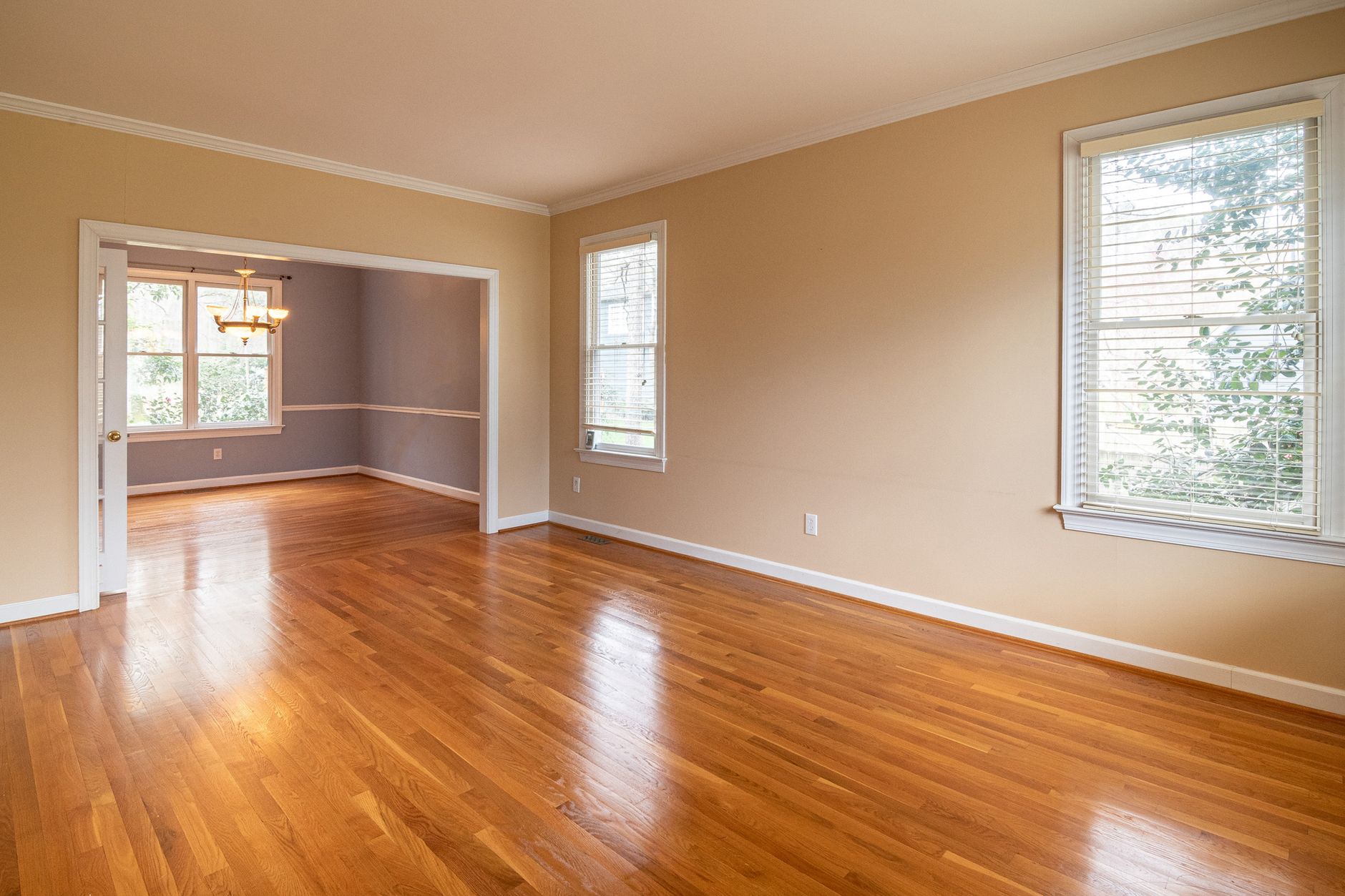
Wood flooring can make a room feel warmer, brighter and more inviting. But choosing the right floor involves more than picking a colour you like. Singapore’s humid climate, daily foot traffic and the way your home is used can all affect how well your flooring performs over time.
One option worth exploring is engineered timber flooring in Singapore, especially if you want the natural character of real wood without some of the challenges associated with solid timber. The key is knowing what to look for beneath the surface, not just how the planks look in a showroom.
Understand What Lies Beneath
Engineered timber flooring has a real wood surface layer supported by a core made from multiple layers of wood or wood-based materials. These layers are arranged to improve dimensional stability compared with a solid timber plank of similar thickness.
That construction matters in Singapore, where changes in humidity can cause wood to expand or contract. Engineered timber is not immune to movement, but its layered structure can help reduce the risk of excessive movement when the product is suitable for the environment and installed correctly.
The thickness of the real wood surface also deserves attention. A thicker wear layer may allow more opportunities for sanding and refinishing, depending on the product. If you expect to keep your flooring for decades, ask about this specification before making a decision.
Match Flooring to Your Lifestyle
A floor that works beautifully in a quiet bedroom may not be the best choice for a busy living room. Think about how each space is used before settling on a finish, colour or timber species.
For example, a household with young children may benefit from a finish that makes routine cleaning easier and does not highlight every small mark. A darker, glossy floor can look striking, but dust and fine scratches may be more noticeable under strong sunlight. A lighter, more textured finish can be more forgiving in everyday use.
Consider these factors when comparing options:
- Foot traffic: Busy hallways need a finish that handles frequent use.
- Cleaning habits: Choose a surface that suits your willingness to maintain it.
- Natural light: Strong sunlight can make certain colours and surface marks more noticeable.
- Room conditions: Areas exposed to moisture need particular care when selecting materials.
The best-looking floor is not necessarily the one that stays attractive with the least effort. Choose one that suits your actual routine rather than an idealised version of how you live.
Do Not Ignore Humidity
Singapore’s warm, humid conditions make moisture management an important part of flooring decisions. Even a well-made engineered timber floor can experience problems if moisture enters from the subfloor, leaks go unnoticed or installation conditions are unsuitable.
Before installation, ask how the installer checks the moisture condition of the subfloor and whether the recommended installation method is appropriate for your home. These checks are particularly important when replacing existing flooring, because the old surface may conceal dampness or other issues.
There is also a trade-off worth understanding. Engineered timber may offer better dimensional stability than solid wood, but that does not automatically make it suitable for bathrooms, persistently damp areas or locations exposed to standing water. Always check the manufacturer’s moisture limitations rather than assuming that a layered construction makes the floor waterproof.
Calculate the Real Long Term Cost
Comparing flooring by its price per square metre can be misleading. The initial material cost is only one part of the total expense. Underlay, subfloor preparation, installation, skirting, waste allowance and future maintenance can all affect the final budget.
Imagine you are flooring a 40-square-metre living area. One option costs S100. The initial material costs would be S4,000 respectively, a difference of S$800 before installation and other expenses.
That difference may be worthwhile if the more expensive option offers a wear layer or finish better suited to your needs. However, a higher price alone does not prove better performance. Compare specifications, warranties, installation requirements and expected maintenance before deciding.
Ask for an itemised quotation so you can compare like with like. A lower quote that excludes necessary subfloor preparation may not be the cheaper choice once the work begins.
Avoid These Costly Mistakes
Some flooring problems are difficult or expensive to correct after installation. A little preparation can help you avoid the most common ones.
First, do not choose a floor based on a small sample alone. Wood grain and colour can look different across a large area, particularly when natural light changes throughout the day. If possible, view several planks together and examine them under lighting similar to your home’s.
Second, do not assume every engineered timber floor can be refinished. The available sanding depth depends on the thickness of the real wood surface and the manufacturer’s guidance. If refinishing is important to you, confirm this before purchasing.
Finally, pay attention to the installation method. Some products are designed for specific fixing systems or subfloor conditions. Using an unsuitable method can lead to movement, gaps or other problems, even when the flooring itself is good quality.
Make the Final Decision With Confidence
Before committing, compare two or three suitable products using the same checklist. Look at the wood surface thickness, overall construction, finish, moisture limitations, installation requirements and warranty conditions. Request samples, review the full quotation and ask who will handle subfloor preparation.
It is also worth considering the support available after installation. For example, when discussing options with Floor Xpert Pte Ltd, you can use your room conditions, preferred appearance and maintenance expectations to guide the conversation rather than focusing on colour alone.
Ultimately, the right wood flooring balances appearance, stability, maintenance and cost. Take time to understand how the floor is built and how it will perform in your home, and you will be better placed to choose a surface that feels right underfoot and remains part of your home for years to come.