A wooden fence can change in surprising ways during its first few years. The boards beside a sunny patio may turn pale, while those behind a shaded garden stay dark. One stretch develops small cracks, but another looks almost new. Even when every panel was installed on the same day, the fence may begin to look as though it was built in separate stages.
Uneven aging does not always mean someone made a mistake during wood fence installation. Natural differences between boards play a part, as do the conditions each section faces. For homeowners comparing construction approaches, Hawk Fences can be a starting point for discussing how material choices and layout affect appearance over time. The more useful question, though, is what makes one section age faster than the next.
Understanding those differences can prevent unnecessary replacements. Some changes are simply part of how wood responds to outdoor conditions. Others indicate moisture problems or construction details that deserve attention. Knowing which is which helps homeowners maintain the fence without expecting every board to look identical forever.
Sunlight Changes the Color of Wood at Different Speeds
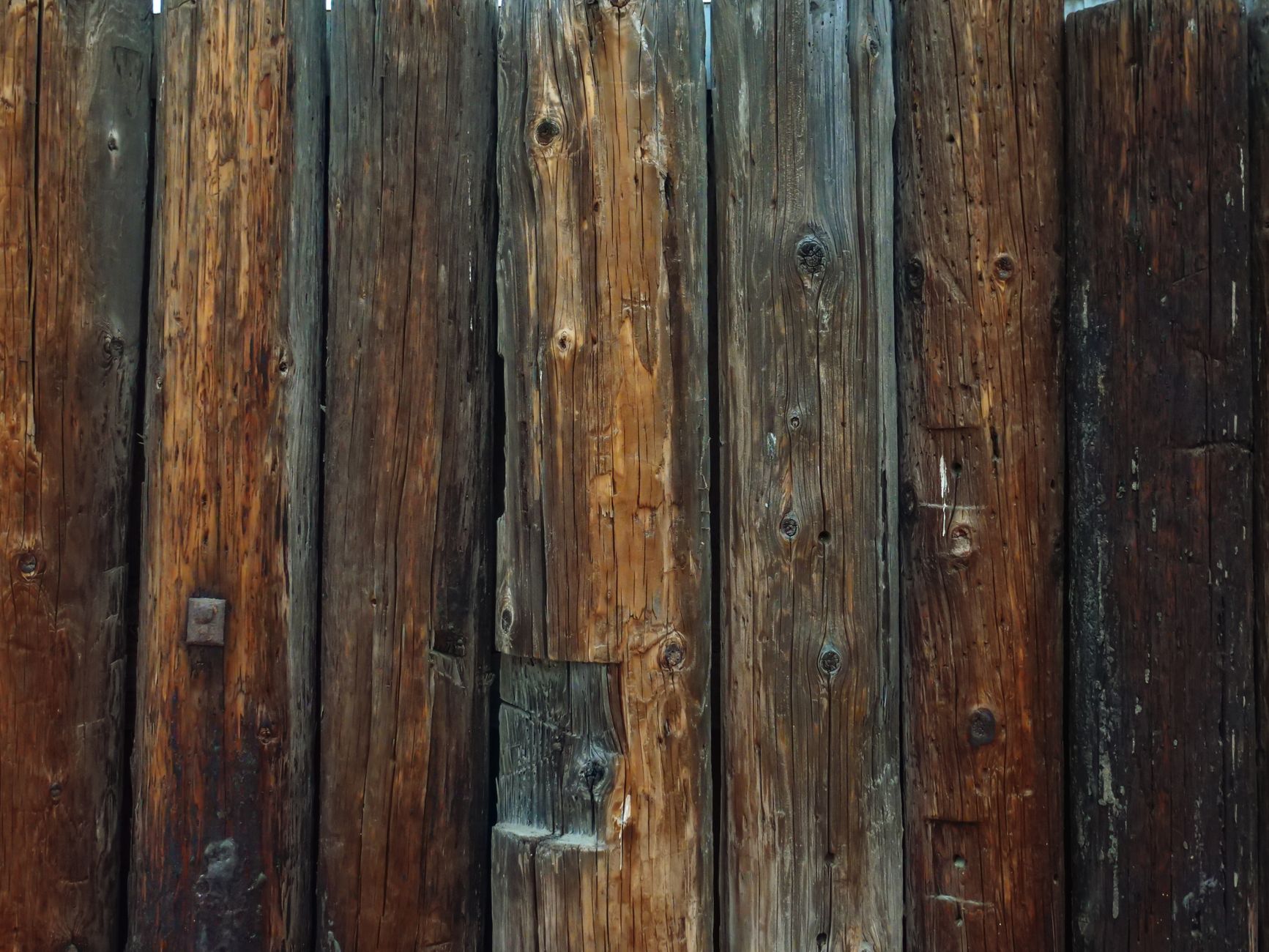
Picture a fence that runs behind a house, turns alongside a driveway, and finishes beneath a line of trees. Each stretch receives a different amount of sunlight. Ultraviolet light gradually changes the surface of exposed wood, often shifting its color toward gray or silver. The shaded sections may retain their original tone longer, even when they came from the same supply of lumber.
The direction each section faces matters, too. A board can receive strong sun on one side while the other side remains protected. Over time, its two faces may look noticeably different. Nearby structures, large shrubs, and overhanging branches create smaller patches of shade, so the color change may not follow a neat pattern.
Color Change Is Not the Same as Structural Failure
A gray surface is not, by itself, proof that wood is rotten. Weathering usually begins at the exposed surface, while decay involves damage to the wood itself. Check whether the board still feels firm and whether its edges and fasteners remain sound. Soft areas, crumbling fibers, or persistent dampness deserve closer inspection than a change in color alone.
A suitable exterior finish can slow some weathering, but it does not eliminate sun exposure. Homeowners who want a more consistent color should understand that shaded and sunny stretches may still need different levels of attention.
Water Takes Different Routes Across the Same Fence
A rainstorm wets the whole yard, but not every board stays wet for the same length of time. Water can splash from paving onto the bottom of one panel. Sprinklers may regularly hit another. A section behind dense plants may dry slowly because air cannot move freely around it.
These differences can show up as dark staining, mildew on the surface, raised grain, or deterioration near the lower ends of boards. The main concern is not simply that wood gets wet. Outdoor wood is expected to encounter rain. Problems become more likely when moisture remains trapped or repeatedly reaches areas that cannot dry properly.
Check the Details Near the Ground
Look at the gap between the lowest wood components and the soil, mulch, or grass. Piling mulch against a fence can hold moisture near the boards. Soil washed into contact with wood can create a similar issue. Where wood is designed for ground contact, the correct material treatment still matters; ordinary above-ground lumber should not be assumed suitable for buried or continuously damp conditions.
During wood fence installation, details such as post material, drainage, and clearance influence how moisture affects the finished structure. They may be less visible than the panel design, but their effects often become noticeable as the fence ages.
Two Boards From the Same Stack May Behave Differently
Wood is a natural material rather than a manufactured sheet with perfectly uniform properties. Boards can differ in grain direction, density, knots, and moisture content. Those variations influence how they absorb and release moisture and how they respond to changing temperatures.
A board with a particular grain pattern may cup slightly as it dries. Another may develop narrow surface checks, which are small cracks that follow the grain. Knots can also create areas that move differently from the surrounding wood. Not every change is a defect, although significant warping or splitting may require a closer look.
Species and treatment matter as well. Different woods have different natural durability and movement characteristics, while pressure treatment is meant to improve resistance to certain biological hazards rather than stop all shrinking, fading, or cracking. Ask what material is being used and what conditions it is suitable for before deciding that one type of fence will remain visually uniform.
The Fence Design Affects How Quickly Boards Dry
A closely spaced privacy fence blocks views, but it can also limit airflow around some surfaces. A more open design may dry differently after rain. Neither design guarantees better aging in every yard; nearby vegetation, sun exposure, and spacing from other structures remain important.
For wood fence installation Atlanta, the way rails and boards are arranged can affect how easily exposed surfaces dry. Fastener choices can also affect appearance. Some unsuitable metal fasteners may corrode outdoors and leave dark streaks on adjacent wood. Hardware appropriate for the wood treatment and exposure conditions reduces that risk. Small details like these explain why two fences made of similar boards can develop very different patterns of discoloration.
Homeowners reviewing examples with Hawk Fences might focus on the overall style first. It is worth asking about the less obvious decisions as well: board spacing, compatible fasteners, wood suitability, and how the design allows rainwater to drain rather than collect.
Finishes Can Make Aging More Even, but Timing Matters
Paint, stain, and water-repellent products create different appearances and maintenance needs. An opaque coating may hide much of the natural color variation, while a transparent or semi-transparent stain allows more of the grain to show. Any finish must be appropriate for exterior wood and applied according to the product directions.
Newly installed wood may need time to reach a suitable moisture condition before finishing. That waiting period varies with the material, treatment, weather, and coating instructions; there is no reliable one-size-fits-all number of days. Applying a finish to wood that is too wet can interfere with its performance.
Avoid Fixing Only the Most Noticeable Patch
Suppose the sunny side of a fence looks faded while the shaded side remains dark. Staining only the pale boards may produce another mismatch, because the two surfaces absorb finish differently. Cleaning methods and existing coatings also affect the result. Test products in a small, less visible area and follow the manufacturer's preparation guidance before treating a larger section.
A discussion with Hawk Fences about future upkeep can include which surfaces are hardest to reach and where vegetation may need trimming. Routine cleaning should be gentle enough not to damage the wood fibers. Aggressive pressure washing can leave rough surfaces or gouges that become more obvious as they weather. Removing climbing plants or trimming back dense growth can sometimes improve drying without changing the fence itself.
When Uneven Aging Signals a Problem
Visual differences are usually less concerning than changes in shape or strength. Pay attention if a post has become loose, a board feels spongy, a gate no longer closes, or several rails are pulling away from their supports. These are reasons to inspect the structure rather than simply apply another coat of stain.
Also look for a pattern. Repeated damage at the bottom of a fence may point to trapped moisture or ground contact. Splitting concentrated around fasteners might indicate movement or unsuitable attachment details. Problems limited to one wet corner deserve a different response from ordinary fading across the entire fence.
If several boards are affected, a qualified fencing professional can assess whether individual pieces need replacement or whether a larger underlying issue should be corrected. Cosmetic work will not solve a loose foundation or ongoing water exposure.
A More Realistic Goal Than Perfectly Matching Boards
The most useful outcome is a fence that stays stable, safe, and attractive as it naturally changes. During wood fence installation, homeowners can ask questions about lumber, clearances, finishes, and exposure rather than judging quality only by the first day's appearance. Photographs taken after completion can also make it easier to distinguish gradual weathering from a sudden problem later.
Hawk Fences is one possible resource for homeowners exploring those decisions, but the lesson applies to any wooden boundary: identical installation dates do not create identical outdoor conditions. Give each section the care its location requires, and pay closer attention to softness, movement, and persistent moisture than to color differences alone.