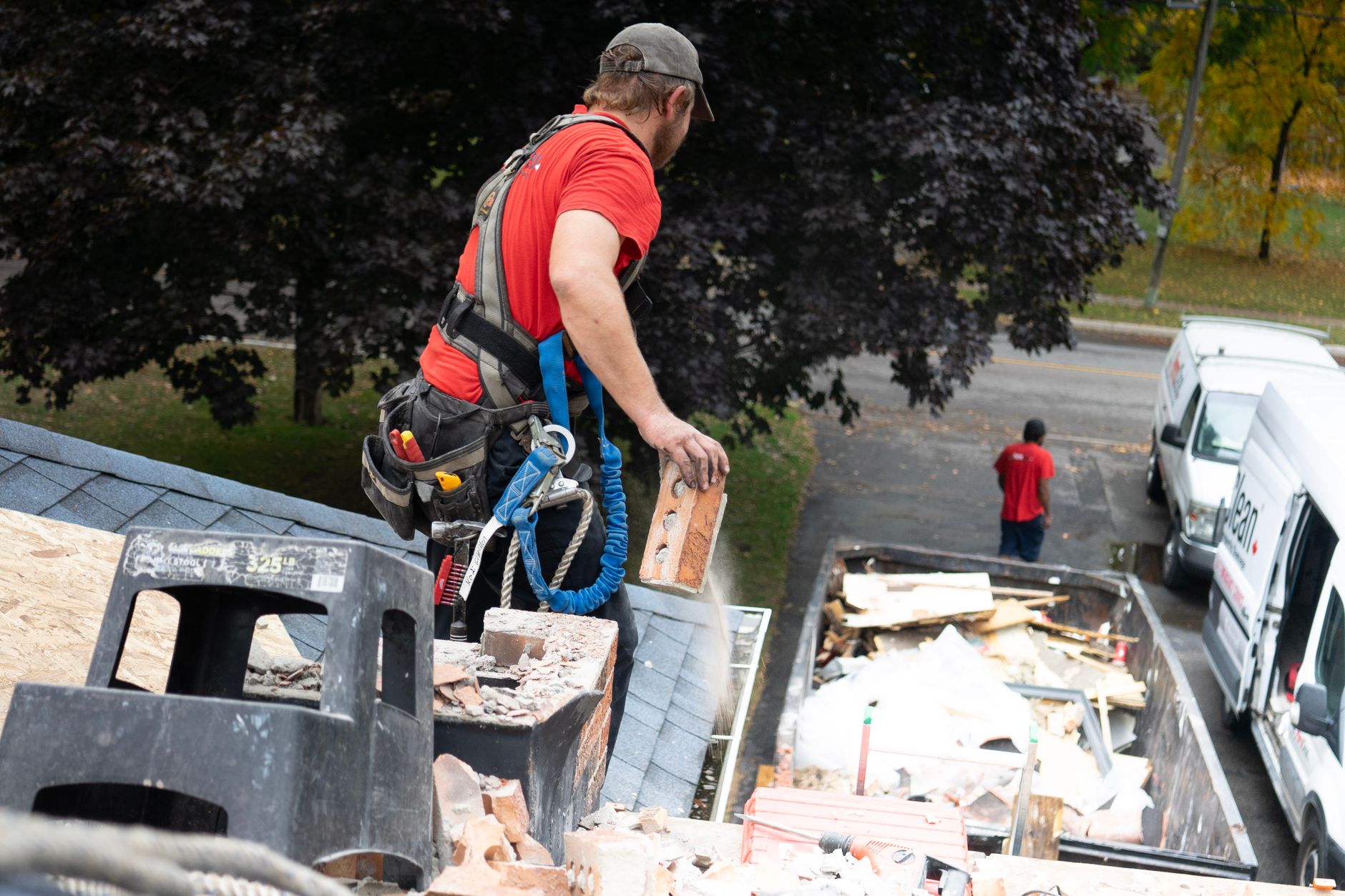
A roofing crew can inspect an aging house carefully and still find surprises once the old covering comes off. Shingles hide the wood beneath them, and years of small leaks may leave little evidence indoors. That uncertainty can be frustrating when a homeowner expects the job to follow a fixed plan from the first morning to the last cleanup.
A sensible roof replacement budget allows for the possibility that damaged materials will only become visible during tear-off. Before work begins, homeowners can ask Upright Roofing and Construction what conditions would change the agreed scope and how any additional work would be documented. Clear answers matter more than promises that nothing unexpected will happen.
Not every discovery calls for an expensive change. Some issues can be handled with a limited repair, while others affect how securely the new roof can be installed. Knowing what crews commonly uncover helps homeowners respond to evidence rather than feeling pressured by a surprise photograph or an unfamiliar roofing term.
1. Soft Decking Beneath Shingles That Looked Reasonable
The decking is the layer of wood panels or boards that supports the roof covering. From the yard, shingles can appear flat and consistent even when a small area of decking has absorbed water repeatedly. Once those shingles are removed, the crew may find swelling, crumbling edges, or wood that no longer holds nails firmly.
This often happens near places where water collects or changes direction. A leaky pipe boot, neglected valley, or poorly detailed wall connection can expose the same patch of wood during every heavy rain. Moisture damage may develop slowly enough that no one notices a ceiling stain.
What Should Happen Next?
Ask to see where the damage is and how much material needs replacing. A close-up photograph is helpful, but a wider image showing its position on the roof gives better context. The repair should address the route that allowed water in, not simply cover the damaged spot with fresh shingles.
2. Several Roofing Layers Instead of One
An older house may have a newer set of shingles installed over an earlier layer. A casual exterior view does not always make this obvious. During tear-off, the extra covering can affect the amount of debris, the work required, and how easily the crew can examine the underlying structure.
Multiple layers may also conceal uneven surfaces or earlier repairs. Even where an overlay was permitted at the time, stripping the roof back to a suitable base may be necessary for the planned system and applicable requirements. The number of layers should be confirmed before assuming an overlay is acceptable.
For homeowners comparing roof replacement proposals, it is worth checking whether removal and disposal of all existing layers are included. That single detail can explain why two estimates that sound similar cover very different amounts of labor.
3. Old Flashing That Cannot Be Reused Reliably
Flashing protects vulnerable transitions around chimneys, roof-to-wall joints, vents, and other interruptions. These narrow components rarely attract attention from the street, yet they handle some of the roof's most difficult water paths.
Removing the covering may reveal bent step flashing, corroded metal, sealant-heavy patches, or pieces that were never properly integrated with surrounding materials. Some flashing can remain serviceable, but reuse should be based on condition and compatibility with the new installation rather than convenience alone.
A homeowner discussing the scope with Upright Roofing and Construction can ask which flashing details will be replaced, which may remain, and what would justify a change during tear-off. The goal is to understand the junctions, not just receive a count of new shingles.
4. Ventilation Paths That Were Blocked Years Ago
Attic airflow is another issue that may become clearer during roofing work. Old insulation can block intake vents at the eaves. A previous alteration may have closed a ventilation opening, or the existing vent arrangement may not suit the roof's shape.
Warm, moisture-laden air can cause condensation under certain conditions, while insufficient airflow can contribute to attic heat buildup. Neither problem is solved automatically by replacing the outer covering. Proper ventilation must be considered alongside air sealing, insulation, climate, and the roof assembly.
Why More Vents Are Not Always Better
Adding vents without understanding intake and exhaust paths can create an unbalanced arrangement. Homeowners should ask for an explanation of the proposed system and any relevant requirements, rather than approving extra vents simply because an attic felt hot on inspection day.
5. Previous Repairs That Solved the Symptom, Not the Cause
An old patch can tell a revealing story. Crews sometimes uncover mismatched shingles, loose fasteners, excessive sealant, or small sections of replaced decking. These signs do not automatically mean that earlier work was poor. They do, however, raise useful questions about the original problem and whether it has returned.
For example, sealing the visible edge of a chimney may temporarily reduce a leak while leaving an incorrectly layered flashing connection untouched. After the old roofing is removed, it becomes easier to trace how water was meant to travel over each material.
Before authorizing a new fix, ask what failed and how the proposed detail changes the water path. A straightforward explanation should show why the new approach is more dependable than simply repeating the last repair.
6. Uneven Roof Surfaces or Unexpected Framing Conditions
With the old shingles gone, slight dips and raised areas can become more obvious. They may result from aging boards, earlier additions, settling, or uneven framing. Some variations are cosmetic; others indicate deteriorated decking or a structural concern that deserves further evaluation.
An uneven area should not automatically trigger a sweeping recommendation to rebuild the roof. The important questions are whether the surface can properly support the specified materials and whether the underlying framing is sound. Suspected structural problems may require assessment by a qualified professional before roofing continues.
This is a useful point to separate ordinary roof replacement work from repairs that genuinely extend beyond the original agreement. Homeowners deserve an explanation of the issue, available options, and any impact on scheduling before work proceeds.
7. Small Details That Affect the Final Finish
The tear-off phase can expose issues at the roof's edges: damaged fascia, deteriorated wood beneath a gutter, gaps around old penetrations, or drip-edge details that need adjustment. These may seem minor compared with a whole roof, but they help direct water away from the building.
A new covering should connect cleanly with gutters, siding, and penetrations. If those adjoining parts are damaged, installing new shingles alone may leave the vulnerable edge unchanged. Sometimes a limited carpentry repair is enough; sometimes coordination with another trade is more appropriate.
Photographs and a written change description make these decisions easier. A homeowner should know which items are necessary for the roof system, which are optional improvements, and whether unrelated work can safely be postponed.
How to Prepare Without Expecting the Worst
A little preparation can reduce confusion on tear-off day. Review the written scope before the project starts, including decking allowances, flashing treatment, disposal, and the method for approving changes. Ask how the crew will contact you if hidden damage appears and whether work in that area will pause until you have reviewed the finding.
It also helps to understand how a discovery affects the schedule. Material availability, weather, and the extent of damage can all influence the sequence of work. A specific explanation is more useful than either a vague warning or an unrealistic guarantee that every surprise can be resolved immediately.
The best conversation with Upright Roofing and Construction is one that establishes expectations before the first shingle is removed. Homeowners should feel comfortable asking for clear photographs, measurements when relevant, and a reason for each proposed addition.
A Better Roof Starts With What the Old One Reveals
The purpose of tear-off is not merely to clear away worn materials. It gives the crew a chance to check conditions that were previously concealed and build the next roof on a sound base. Discovering a problem may be inconvenient, but overlooking it can undermine the work that follows.
A well-planned roof replacement leaves room for honest findings and informed decisions. Upright Roofing and Construction belongs in that discussion as a potential resource, but homeowners should judge any recommendation by the evidence presented, the proposed remedy, and the clarity of the agreed scope. Those details matter long after the old shingles are hauled away.