Going into a silver appraisal is usually like going in blind. You may have a box full of inherited flatware, old coins, and tangled chains in your drawer, and you just wish that the buyer offers you a decent number. The lack of knowledge quickly becomes very costly.
Knowing how dealers calculate the payouts will be advantageous even before you step up to the counter. Spending just ten minutes checking the purity, weight, and live market rates, you will be able to sell silver to a reliable buyer who will weigh your items right in front of you and pay you true market value.
Checking Hallmarks and Purity Stamps First
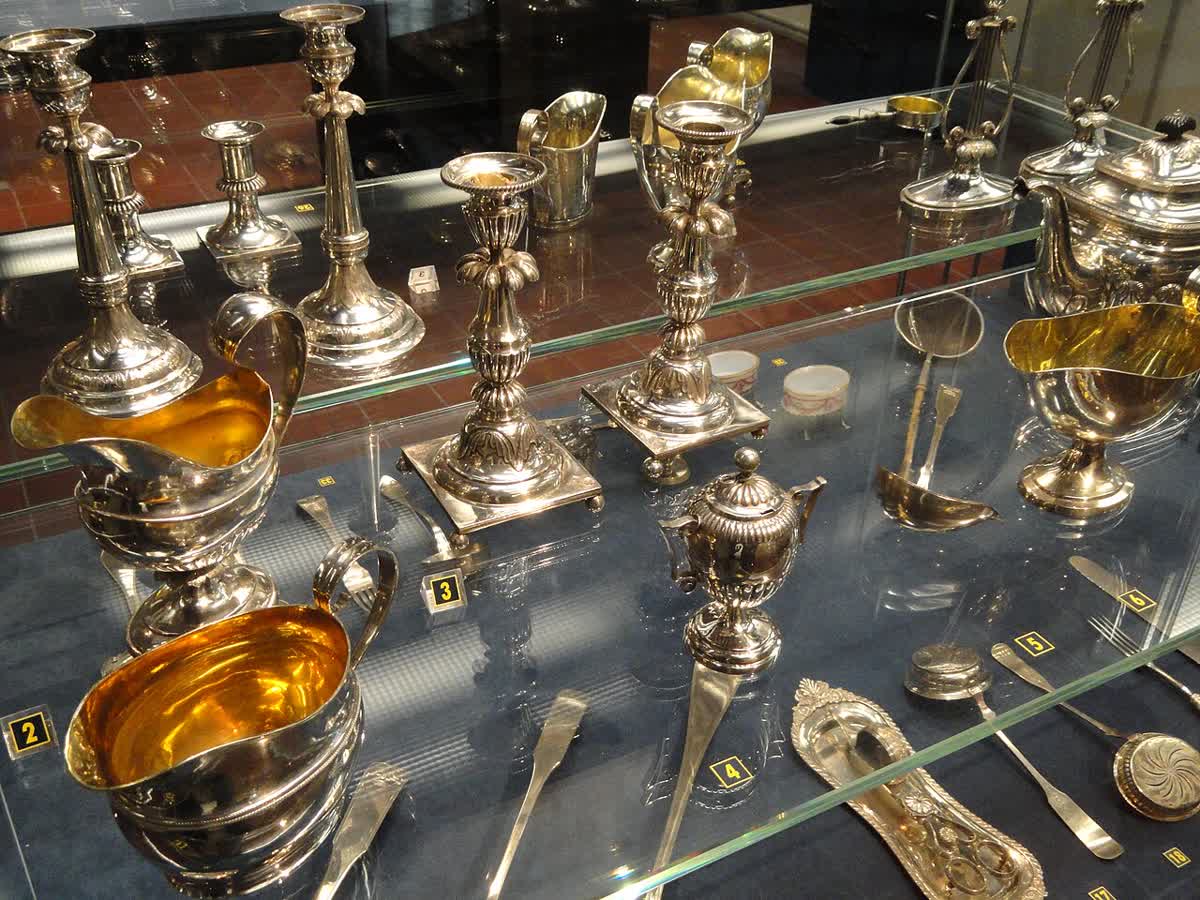
Not every shiny item in your jewelry box is made of pure silver. Take a magnifying glass and check clasps, coin edges, and the reverse sides of spoons for small stamped numbers.
| Stamp / Mark | Silver Purity | Common Items |
|---|---|---|
| 999 | 99.9% (Fine) | Investment bullion bars and modern coins |
| 925 / Sterling | 92.5% (Sterling) | Jewelry, flatware, and tea sets |
| 900 | 90.0% (Coin) | Pre-1965 U.S. dimes, quarters, and half dollars |
| EPNS / Plate | Less than 1% | Base metal coated in a thin silver layer |
When you see markings like EPNS (electroplated nickel silver), you will be dealing with items that have very little melt value. You can also conduct a simple magnet test on your own. Real silver is not magnetic; therefore, if a piece sticks to a magnet, it is either plated or fake.
Get the Weight of Your Items in Troy Ounces, Not in Kitchen Ounces
Unlike ordinary goods, precious metals are measured in troy ounces. One kitchen ounce weighs 28.35 grams, while one troy ounce weighs 31.1035 grams.
The slight difference is important in order to calculate your payout. First, measure your items in grams using a digital scale, and then divide by 31.1035 to get the exact troy ounce weight. During an appraisal, you should ensure that the buyer uses a licensed and certified scale that is visible to you.
Monitor the Spot Prices and Calculate the Melt Value of Your Items
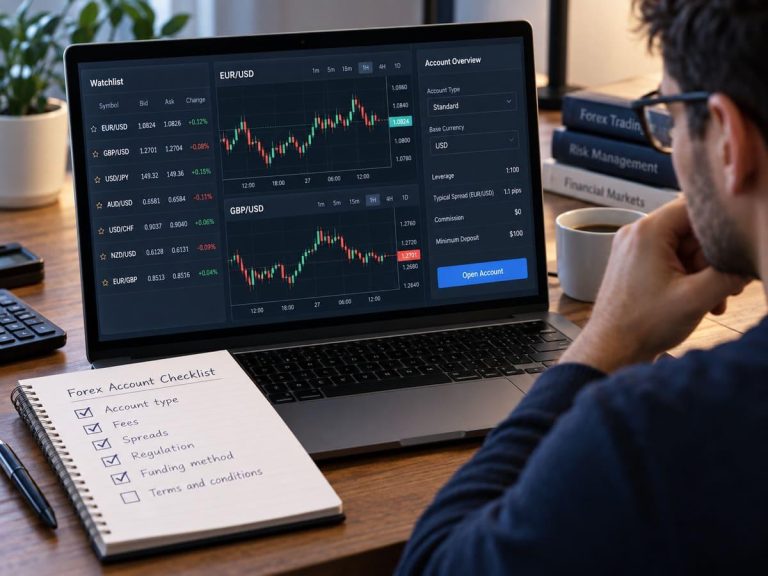
Silver values fluctuate each minute on international commodity markets such as COMEX. In the last week of November 2026, spot silver sells for about $42.50 per troy ounce (roughly $1.37 per gram of pure silver). Checking live spot charts on Kitco before your appointment provides you with an immediate starting point.
To calculate the base melt value of your metal, use the following equation:
Total Weight (grams) × Purity Percentage × Spot Price per Gram = Base Melt Value
Suppose you have a sterling silver tray that weighs 200 grams. Multiply 200 grams by 0.925 purity to give you 185 grams of pure silver. With a spot price of $1.37 per gram, your base melt value will be $253.45. Choosing to sell silver through a reputable specialist ensures that you get payouts close to these real-time market values and not the deep discounts that come with mail-ins.
Distinguish Melt Value from Collectible or Retail Worth
The raw metal weight is the bottom of the scale, but not always the top. Some objects have a much greater worth than simply their scrap value:
- Marks of designer makers: Flatware or hollowware marked by the manufacturer often has high collector value.
- Numismatic coins: Coins minted prior to 1965, featuring rare mint marks or uncirculated surfaces, cost more than their 90% silver content.
- Modern estate wear: Unmelted, modern, undamaged designer jewelry might fetch a better price than melting.
Never polish old objects before appraisals. The tarnish does not affect melt weight, and scrubbing damages the valuable patina.
Red Flags That You Should Avoid at an Appraisal
Leave immediately if your seller uses any of these techniques:
- Hidden scales: They take your objects behind the curtain to weigh them.
- Mysterious deductions: They give you a lump sum quote without distinguishing .999 bullion and .925 sterling.
- Unreasonable deadlines: They insist that their offer expires the second you leave the premises.
Getting a Fair and Transparent Offer
An intelligent seller will take the process of valuation the same way as any other financial deal. Inspect your stamps, change the gram weights into troy ounces, look up the current spot price using your phone, and walk in. If a potential buyer answers all your questions, evaluates everything transparently, and gives you reasons for your stamp grades, you can be sure that you get market value.