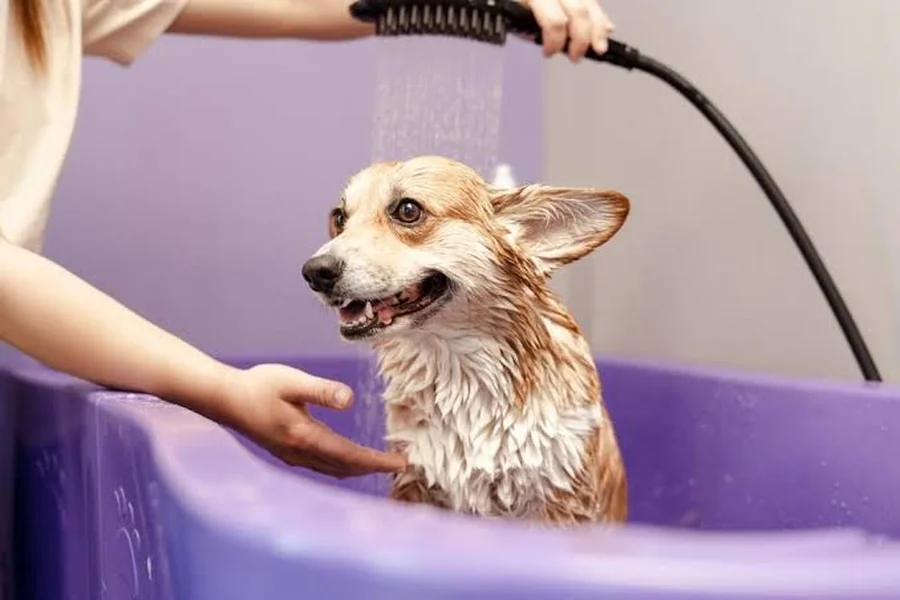
Most pets need regular grooming, but the right frequency depends on their breed, coat type, age and lifestyle. While some dogs benefit from professional grooming every 4-8 weeks, cats may need more frequent brushing but usually require fewer baths. A consistent routine helps keep your furry friend clean, comfortable and well cared for.
Why Is Regular Pet Grooming Important?
Pet grooming is not just about keeping your dog or cat looking neat. It also supports everyday hygiene, coat maintenance and comfort. Regular brushing helps remove loose hair, prevent tangles and keep the coat in good condition. Nail trimming, ear cleaning and bathing also form part of a suitable grooming routine.
For pet parents living in apartments or managing busy work schedules, keeping up with these tasks can sometimes be difficult. Having a regular grooming schedule makes it easier to manage your pet’s needs without waiting for visible problems to appear.
However, every pet is different. A long-haired Persian cat will have different grooming needs from a short-haired Indian domestic cat. Similarly, a Golden Retriever may need more coat maintenance than a short-haired Labrador.
How Often Should You Groom Your Dog?
A dog’s grooming schedule depends mainly on its coat type, shedding pattern and daily activities. Some dogs need regular professional grooming, while others require only occasional baths and routine maintenance.
1. Short-Haired Dogs
Breeds such as Labradors, Beagles and Pugs generally have shorter coats that are easier to maintain.
Suggested routine:
- Brush once or twice a week to remove loose hair.
- Bathe approximately every 3–4 weeks, depending on activity, coat condition and odour.
- Check and trim nails regularly.
- Clean the outer ear area when needed.
Short-haired dogs may not need frequent haircuts, but brushing and basic hygiene should still be part of their routine.
2. Long-Haired Dogs
Dogs such as Shih Tzus, Golden Retrievers and Yorkshire Terriers often need more attention because their coats can become tangled or matted.
Suggested routine:
- Brush several times a week, or daily if the coat tangles easily.
- Arrange professional grooming approximately every 4–8 weeks, depending on coat growth and style.
- Check areas behind the ears, under the legs and around the tail for knots.
- Keep nails trimmed and ears clean.
Regular brushing between pet grooming appointments can help prevent tight mats and make professional sessions more comfortable.
3. Double-Coated Dogs
Breeds such as Huskies, German Shepherds and Golden Retrievers have an undercoat beneath their outer coat. They may shed more during seasonal coat changes.
Suggested routine:
- Brush two to three times a week, increasing frequency during heavy shedding.
- Use suitable de-shedding tools when needed.
- Bathe when the coat needs cleaning rather than following an unnecessarily frequent schedule.
- Arrange professional coat maintenance when loose undercoat becomes difficult to manage.
Avoid shaving double-coated dogs simply to reduce shedding. Their coat helps with insulation and protection, so discuss any trimming needs with an experienced groomer or veterinarian.
How Often Should You Groom Your Cat?
Cats are generally good at cleaning themselves, but that does not mean they never need grooming. Brushing helps remove loose fur, reduce tangles and keep their coats manageable.
1. Short-Haired Cats
Indian Domestic Shorthair and Siamese cats usually have coats that are easier to maintain.
Suggested routine:
- Brush once or twice a week.
- Check the ears and paws regularly.
- Trim nails when they become long or sharp.
- Bathe only when necessary or when advised by a veterinarian.
2. Long-Haired Cats
Persian and Himalayan cats have dense, long coats that need more frequent attention. Loose hair can become trapped and form mats, particularly around the neck, belly and legs.
Suggested routine:
- Brush daily or several times a week, depending on coat condition.
- Check for knots behind the ears and under the legs.
- Arrange professional grooming when the coat becomes difficult to maintain.
- Keep nails trimmed and check the ears regularly.
If your cat develops tight mats, avoid pulling or cutting them close to the skin. A professional groomer can assess whether careful detangling or trimming is appropriate.
How Often Should You Schedule Different Grooming Services?
Not every pet grooming service needs to be performed at the same frequency. Here is a general guide for pet parents:
| Grooming service | General frequency |
| Brushing | Daily to weekly, depending on coat type |
| Bathing | As needed, based on coat, lifestyle and skin condition |
| Haircut and styling | Usually every 4–8 weeks for breeds with continuously growing coats |
| Nail trimming | Often every 2–4 weeks, depending on nail growth and activity |
| Ear cleaning | When needed, based on visible dirt and veterinary guidance |
| De-shedding | As needed, especially during heavier shedding periods |
These are general guidelines, not fixed rules. Your pet’s individual needs, coat condition and veterinarian’s advice should determine the final schedule.
5 Signs Your Pet May Need a Grooming Session
Sometimes, your pet’s coat and behaviour can tell you when it is time for grooming. Look out for these signs:
- Tangled or matted fur: Knots that do not come out with gentle brushing may need professional attention.
- Excessive loose hair: A noticeable increase in loose coat hair may mean your pet needs more regular brushing or de-shedding.
- Overgrown nails: Nails that touch the floor, curl or catch on surfaces may need trimming.
- Dirty coat or unpleasant odour: Your pet may need a bath, depending on the cause and coat condition.
- Difficulty maintaining the coat: If brushing at home is becoming challenging, professional grooming can help you manage the routine.
Remember that persistent scratching, redness, unusual hair loss, ear discharge or a strong ear odour may indicate a health concern. Consult a veterinarian rather than treating these signs as ordinary grooming problems.
Conclusion
There is no single grooming schedule that works for every dog or cat. The right routine depends on your pet’s coat, breed, lifestyle and comfort. Regular brushing and timely professional care can help prevent common pet grooming difficulties and keep your furry companion feeling their best.
Ultimutt offers professional dog and cat grooming services for pet parents in Gurgaon and South Delhi. From bathing and blow-drying to haircut and styling, nail trimming, ear cleaning and de-shedding, its grooming options cater to different coat-care needs. You can choose convenient at-home grooming or explore the Pet Spa experience at its salon. **Book a session with Ultimutt and make regular