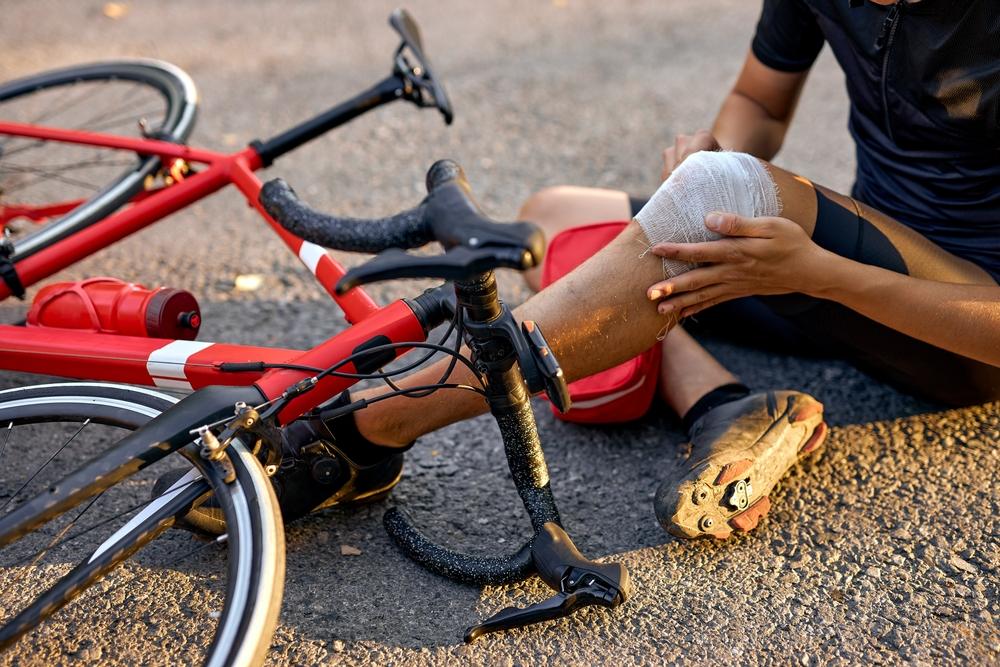
A bicycle offers little protection against the weight and speed of a car. A driver who looks away for a few seconds, turns without checking the road, or drives too close to a cyclist can cause injuries that affect someone's health, income, and daily routine. However, the damage alone does not decide who is legally responsible. The driver's actions and the events leading to the collision must also be considered.
For injured cyclists, finding out who should answer for these losses can be difficult, especially if several parties were involved. An attorney for bicycle accidents can help examine the circumstances, identify potentially responsible parties, and explain the options available to an injured cyclist.
How a Driver's Negligence Can Establish Responsibility
Drivers have a duty to operate their vehicles with reasonable care and watch for others sharing the road. Ignoring this duty can put cyclists at serious risk. However, proving negligence involves more than showing that a collision occurred. There must be a connection between the driver's careless actions and the cyclist's injuries.
Several driving behaviors may help establish responsibility:
- Distracted driving: Looking at a phone, adjusting a screen, or taking attention away from the road.
- Unsafe turns: Turning across a bicycle lane without checking for approaching cyclists.
- Speeding: Driving too fast to react safely to a cyclist or changing road conditions.
- Following too closely: Leaving too little space to stop or avoid hitting a bicycle.
- Ignoring traffic signals: Failing to stop or yield when required.
The circumstances surrounding the crash help show whether the driver failed to act with reasonable care.
Who Can Be Held Responsible Beyond the Driver?
A bicycle accident does not always involve only the cyclist and the person driving the car. Depending on the circumstances, another party may also share responsibility for the injuries.
The vehicle owner: The person who owns a car may face responsibility in certain situations, such as when they allow an unfit or unsafe driver to use it. The rules depend on the facts and applicable law.
The employer: If a driver causes a crash while carrying out work duties, their employer may also be responsible. For example, a delivery driver who hits a cyclist while making a work-related trip may create a claim involving the company.
A maintenance provider: Poor repairs or missed safety problems may contribute to a collision. If faulty work on a vehicle played a role, the repair provider may need to be considered.
These possibilities do not mean every accident involves several liable parties. Each person's connection to the crash must be established before responsibility can be assigned.
Can a Cyclist Share Responsibility for the Accident?
Drivers are not automatically responsible for every bicycle collision. A cyclist's actions may also become part of the liability review if they contributed to the crash. For example, an insurer may question whether the cyclist:
- Rode at night without required lights or reflectors.
- Ignored a traffic signal or stop sign.
- Moved suddenly into a vehicle's path.
- Failed to follow an applicable traffic rule.
Still, an allegation does not prove that the cyclist caused the accident. The driver's conduct must also be considered. A motorist who was speeding or failed to check for bicycles may remain partly responsible, even if the cyclist made a mistake.
Many states follow comparative fault rules. Under these rules, responsibility may be divided between the parties, and a cyclist's compensation may be reduced based on their share of fault. The exact effect depends on the law that applies to the claim.
Why Disputed Liability Can Affect a Bicycle Accident Claim
A disagreement about fault can make an insurance claim harder to resolve. The driver may give one account, while the cyclist or a witness describes something different. An insurance company may also argue that the cyclist's actions caused the collision or increased the severity of the injuries.
A review can help clarify what happened. Useful information may include:
- Photos or videos showing the road, vehicles, bicycle, and surroundings.
- Witness names and statements.
- The police crash report.
- Medical records connecting the injuries to the collision.
- Available traffic camera or nearby business footage.
An attorney for bicycle accidents can review these details to assess the competing accounts, identify gaps, and communicate with insurers. No single item proves liability, but combined details can explain how the crash occurred.
Disputed fault can affect whether an insurer accepts a claim, how much it offers, and whether further action is needed. Cyclists should be careful about accepting blame or agreeing to a settlement before they understand the full effect of their injuries and the available information.
Making Sure Responsibility Reflects What Happened
Liability after a bicycle accident is not always limited to the driver, and it should not be decided through assumptions. The actions of the driver, the cyclist, and any other involved parties all matter. A fair review looks at how each action contributed to the collision and the resulting harm.
If someone you know has been injured in a bicycle crash, consider speaking with a lawyer about your situation. It can help you understand who may be responsible, what information may support your claim, and what steps you can take next.