A lamp can look dated even when its base and shade remain in excellent condition. The small finial at the top of the shade affects the fixture’s scale, finish, and character, so replacing it can refresh the lamp without major expense or labor. The right shape also helps the shade sit neatly on its harp. These six lamp finial styles provide practical ways to update table and floor lamps, beginning with proportion and ending with material.
1. Traditional Urn Finials
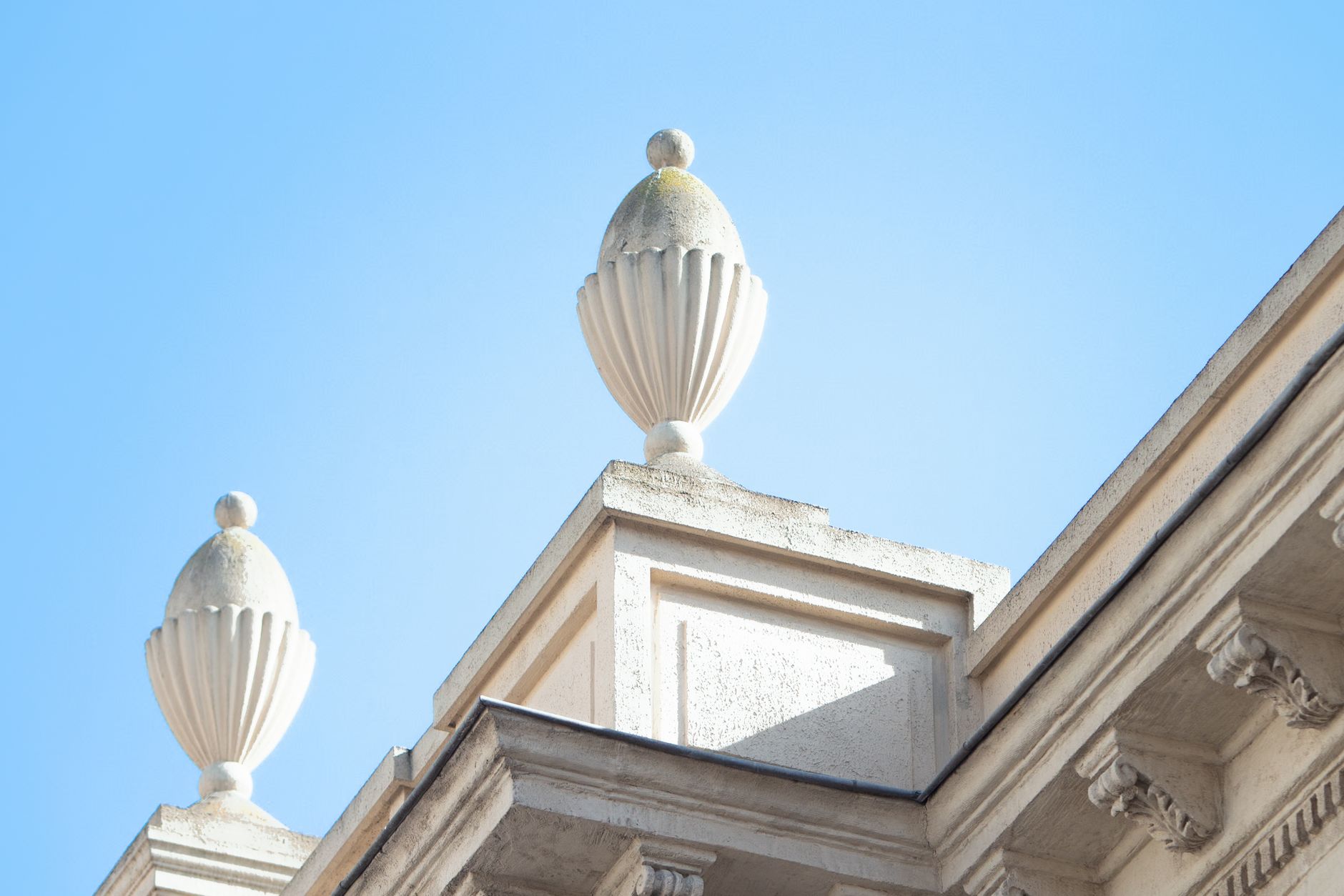
An urn finial suits lamps with classic bases, gathered shades, or traditional furniture. Its rounded body and defined neck create a formal finish without competing with the shade’s pattern.
Scale determines whether the result looks balanced. A taller urn suits a substantial lamp, while a compact version works better with a narrow base or smaller shade. Brass or gold finishes support a traditional room, especially alongside warm wood and aged metal.
2. Acorn Finials
An acorn finial adds a familiar decorative detail while keeping the lamp visually neat. The shape works well with curved ceramic bases, carved wood, and fixtures with botanical or vintage details.
Its rounded lower section gives the shade a finished appearance without adding excessive height. Choose a finish that repeats an existing metal detail, such as a pull chain, frame, or nearby picture light. That connection helps the replacement look intentional.
When comparing lamp finials for sale, check the lamp’s scale, shade opening, and existing finish before choosing a style. Finials usually screw onto the threaded harp above the shade, so you don’t need tools. A decorative replacement can change the fixture’s character while preserving the base and shade you’re already using.
3. Agate Slice Finials
A natural agate slice brings color and mineral pattern to a plain lamp. Each slice has its own banding, edge, and translucency, so the finial becomes a small focal point above a neutral shade.
This style suits rooms with marble, stone, wood, or other natural materials. A simple linen shade keeps attention on the stone rather than competing visually. The thin profile also works well where a tall finial would overwhelm a delicate lamp.
4. Chalcedony Slice Finials
Chalcedony has a softer, quieter appearance than many patterned stones. Its pale, layered surface pairs well with white, cream, gray, and muted blue interiors, especially when the lamp needs detail without a heavy accent.
A matching pair suits bedside tables, console tables, or living room lamps placed on opposite sides of a piece of furniture. For a single lamp, the stone can repeat a color found in artwork, upholstery, or a nearby ceramic object.
5. Dendritic Jasper Finials
Dendritic jasper creates visual movement through its branching internal patterns. The markings add interest to a plain shade and give a simple lamp a more collected appearance.
Because the stone already has detail, keep the surrounding pieces controlled. A solid-color shade and an uncluttered tabletop let the finial stand out clearly. The lamp base does not need to match the stone exactly. A related neutral finish keeps the combination balanced.
6. Peacock Ore Finials
Peacock ore adds a darker, more colorful accent with metallic blue, purple, and copper tones. It suits lamps that need contrast against a pale shade or a room with jewel-toned accessories.
This style works best on a lamp with a straightforward silhouette. A heavily carved base or busy shade can compete with the stone’s surface. Repeating one of its colors in a nearby object, such as a small vase or framed artwork, creates a useful visual link without matching every detail.
How to Choose The Right Size
Measure the lamp’s height, shade diameter, and harp before selecting a replacement. A large finial can overpower a narrow shade, while a tiny one disappears above a broad, substantial lamp.
The finial should sit securely against the shade without bending its top edge. Check the threaded opening, especially if the lamp has an unusual harp. Most standard finials fit table and floor lamps, but unusual threading requires confirmation before purchase.
Finishing matters, too. Brass and gold create a classic effect, while matte or patinated surfaces look quieter. A stone finial adds texture, so it works best when the shade remains relatively simple.
Conclusion
A finial replacement gives a tired lamp a precise visual update without replacing its base, shade, or wiring. Urn and acorn shapes suit traditional rooms, while agate, chalcedony, dendritic jasper, and peacock ore add texture or color. Before choosing, compare the finial’s height with the shade, inspect the harp threading, and repeat one nearby finish or color. A quick measurement and a clear photo can make the final selection more accurate.