By a HVAC industry contributor.
You know the sound. The shudder and hum of a window air conditioner kicking on, drowning out conversation while barely cooling the room. For years, the choice for homes without central ductwork was either that or nothing. This left many homeowners with uneven temperatures, high energy bills, and rooms they couldn’t use comfortably in the summer.
This old trade-off is no longer necessary. A technology that was once rare is now a common way to cool your home efficiently. Learning about ductless cooling system services shows you how to cool certain parts of your home without a big, expensive project. This method is becoming popular because it fixes the problems older systems have. Research from the U.S. DOE Office of Scientific and Technical Information looked at modern air-source heat pumps, which is the technology used in ductless units. The study found that these systems could be a good value for 59% of U.S. households, even without government discounts.
Quick answer: Ductless mini-split systems offer a highly efficient and flexible way to cool individual rooms or zones in your home. They have an outdoor unit connected to one or more indoor units. This setup gets rid of the need for bulky ductwork and stops the energy waste that comes with it.
What’s inside
· What are the real costs and savings?
· Is my home a good candidate for ductless?
· What installation mistakes should I watch out for?
· Frequently asked questions
· The Real Decision Isn’t the Brand, It’s the Installer
What are the real costs and savings?
Ductless systems waste less energy because they send cool air right into a room. This avoids the major heat loss that happens with central air ducts. Putting one in costs more at first than a window unit, but the money you save on energy bills over time and the better comfort often make it worth the price. The key is understanding where traditional systems waste money.
Central air uses a series of ducts that often run through unheated or uncooled areas like attics and basements. These ducts are rarely perfectly sealed. The ENERGY STAR program estimates that in a typical house, 20 to 30 percent of the air moving through the duct system is lost due to leaks, holes, and poor connections. This means you are paying to cool your attic or walls, not your living space.
Ductless systems, or mini-splits, bypass this problem entirely. Instead of pushing cool air through long, leaky ducts, they use a small, well-insulated line to move a cooling liquid (called refrigerant) between the outdoor and indoor units. The energy loss along this line is very small. This high efficiency is a main reason why the technology is a smart upgrade for many homes. These energy savings aren’t just on paper. They lead to lower monthly electric bills, especially in the hottest part of the summer.
❝ When you get price quotes, look at the system’s SEER rating. SEER stands for Seasonal Energy Efficiency Ratio. A higher SEER number means it’s more efficient. The minimum rating required by law can change. Ask how the unit they suggest compares to the current standard to understand how well it performs.
The savings also come from something called “zoning.” With a ductless system, you can control the temperature in each room separately. This allows you to cool only the spaces you are using, such as a home office during the day or bedrooms at night. You stop paying to keep empty rooms at a perfect 72 degrees. This kind of waste is common with central air. This smart way of cooling changes how you use energy in your home.
Is my home a good candidate for ductless?
Yes, if you have specific rooms that are hard to cool, are planning an addition, or live in a home without existing ductwork. Whether a ductless system is right for you depends more on your cooling problems and your home’s layout than its age or style. Getting a professional to check your home is key to getting a system that works well and saves you money.
The most important step in any ductless project is the load calculation. This is a detailed study to figure out exactly how much cooling power a room needs. The industry standard for this is the Manual J calculation, a method created by the Air Conditioning Contractors of America. This process looks at things like the room’s size, the size and direction of its windows, the amount of insulation, the local weather, and even how many people use the room. Getting this right is very important, as air conditioning is a major energy user. In 2023, air conditioning accounted for about 15% of total U.S. household electricity consumption, according to the U.S. Energy Information Administration.
❝ A contractor who suggests sizing a unit based on a simple square-foot rule of thumb is a significant red flag. This approach often leads to oversized or undersized equipment. An oversized unit will cool the room too quickly without removing humidity, leaving the air feeling cold and clammy. An undersized unit will run constantly without ever reaching the target temperature, wasting energy and wearing out components.
Ask any installer you’re considering if they do a Manual J calculation for every room that will get an indoor unit. Ask to see the report. This paper is your proof that the equipment they suggest is designed for your home’s exact needs, not just a guess.
The table below shows what to look for during the evaluation process.
| Evaluation Step | Quality Indicator | Red Flag |
| Load Calculation | Performs a room-by-room Manual J calculation. | Uses a square-foot rule of thumb or guesstimate. |
| Equipment Sizing | Matches the BTU output of the unit to the load calculation. | Suggests a “bigger is better” approach. |
| Indoor Unit Placement | Plans for the best airflow, avoiding drafts on people. | Suggests placing the unit based only on convenience. |
| Outdoor Unit Location | Checks for proper clearance, drainage, and noise impact. | Ignores clearance requirements or places it near a bedroom window. |
In the end, a good ductless installation is less about the brand name and more about how well it’s planned and installed. A well-planned system based on a proper load calculation will give you years of efficient, comfortable cooling.
What installation mistakes should I watch out for?
The most common and costly installation errors involve refrigerant lines, condensate drainage, and electrical connections. You can only get a ductless system’s high efficiency if the installation is done perfectly. Even the best equipment won’t work right if these basic steps are done wrong. This can lead to weak cooling, water damage, or the system breaking down too soon.
One very important part is the refrigerant line set. This is the pair of copper tubes that connect the indoor and outdoor units. These lines must be carefully bent to avoid kinks, which restrict the flow of refrigerant like a pinched garden hose. At the connection points, the ends of the tubing must be perfectly “flared,” a process that creates a bell-shaped, metal-to-metal seal. A bad flare is the main cause of slow refrigerant leaks. The system may work for a few months, but as the refrigerant escapes, its cooling power will steadily drop until it stops working entirely.
The condensate drain line is another common problem spot. The indoor unit pulls a lot of moisture from the air, which must drain away safely. This line must slope down the whole way from the indoor unit to the outside of your house, with no flat spots or upward bends. If the line has flat spots or is routed slightly uphill at any point, water will pool. This stagnant water becomes a breeding ground for mold and algae, which will eventually form a blockage. When the line clogs, the water backs up and overflows the internal drain pan, often causing serious damage to drywall and flooring.
❝ After the installation is complete, ask the technician to test the drain line by pouring a small bottle of water into the indoor unit’s drain pan. You should be able to watch it flow freely and immediately from where it ends outside. This simple, five-second test confirms the line is clear and properly sloped before the crew leaves your home.
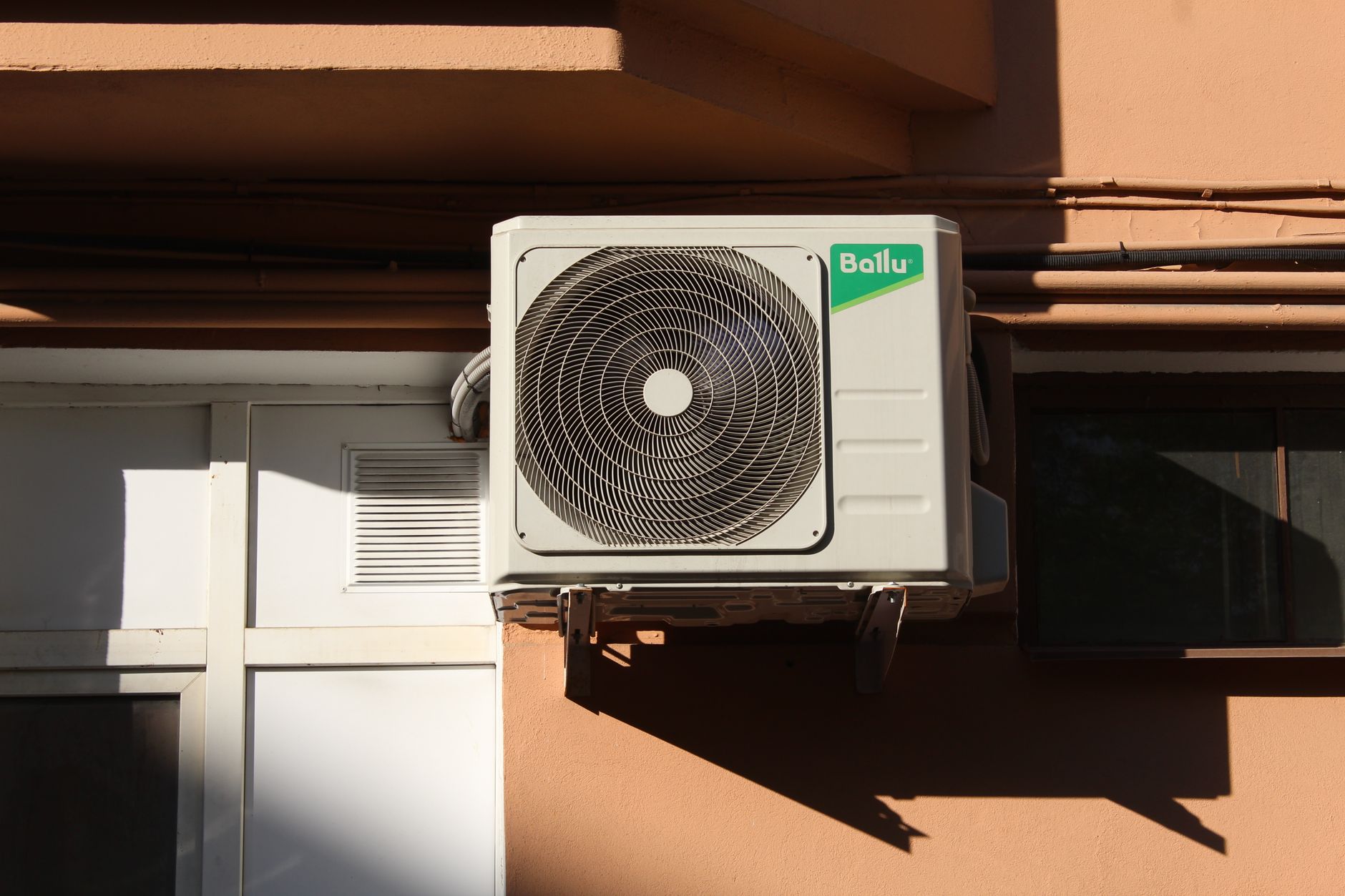
Finally, both electrical work and unit placement are very important. The outdoor unit needs its own electrical circuit so it doesn’t use too much power and overload your home’s electrical system. As for where to put it, the outdoor unit needs enough open space on all sides for air to move freely. Boxing it in against a wall or under a low deck will cause it to overheat, reducing its efficiency and shortening its lifespan.
Frequently asked questions
How loud are ductless systems? Modern ductless indoor units are very quiet, often operating at levels between 19 and 26 decibels, which is quieter than a soft whisper. The outdoor unit is also much quieter than the large condensers used for traditional central air conditioners. This low noise level makes them a great choice for bedrooms, home offices, and other quiet areas.
Can a ductless system also provide heat? Yes, almost all ductless mini-splits are also heat pumps. This means they can also heat your home in the winter by running in reverse. Many new systems work well even in very cold weather, when temperatures are below zero. This lets them be the main source of heating and cooling for a room or a whole house all year.
What kind of maintenance do mini-splits require? Regular maintenance is simple and very important for keeping it working well. You should clean the reusable filters on the indoor units about once a month, which usually just involves rinsing them with water and letting them dry. It is also important to have a professional service the system once a year to deep clean the indoor and outdoor coils, check refrigerant levels, and make sure the condensate drain line is clear.
Do the indoor units only come as white boxes on the wall? While the high-wall unit is the most common style, it is not the only option. To better fit your home’s decor, manufacturers offer several less noticeable designs. These include ceiling cassettes that sit flat with your ceiling, floor-mounted consoles that look like a small radiator, and even hidden “slim duct” units that can be placed in a ceiling to serve a room through a small vent.
How long do ductless systems typically last? With proper installation and regular maintenance, a quality ductless mini-split system can last between 15 and 20 years. The lifespan is heavily influenced by the quality of the initial setup and how regularly the filters and coils are cleaned. Neglecting this basic upkeep can shorten the system’s effective service life and lead to more frequent and costly repairs.
The Real Decision Isn’t the Brand, It’s the Installer
Ductless technology is a great way to get efficient home comfort. Its ability to deliver targeted cooling without leaky ducts is a big advantage. However, the performance you experience depends less on the logo on the box and more on how carefully and correctly it’s installed. The high efficiency ratings on the box don’t mean anything until the installer does careful, correct work.
Your most effective tool as a homeowner is not a product brochure, but a specific question: “Do you perform a room-by-room Manual J load calculation?” This question cuts through sales talk and shows you how a contractor really works. An installer who uses this detailed method is focused on finding the right solution for your home, not just selling you a piece of equipment. A vague answer or a reliance on simple rules of thumb is a clear signal to be cautious.
Ultimately, you are investing in a solution that will last a long time. The quality of a refrigerant line, the slope of a condensate drain, and the clearance for an outdoor unit protect that investment. A system installed with this care will operate quietly and efficiently for over a decade. One without it can lead to lost efficiency and breaking down too soon. Focus on the quality of the process, and the comfort will follow.
About the author