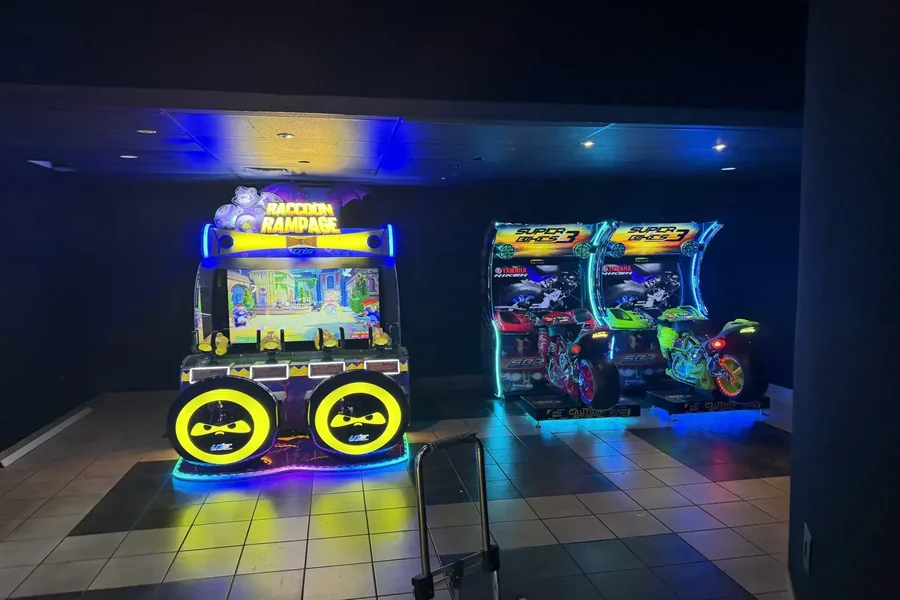
Every commercial game machine occupies valuable floor area, so its earning potential matters as much as its appearance. A machine that attracts attention but creates queues, service issues, or weak repeat play can reduce the value of the space around it. The right choice balances footprint, player demand, operating effort, and revenue opportunities. Start by measuring those factors before comparing machines.
Measure the Space Before Choosing the Machine
Commercial game machine solutions should start with the usable area, not the machine catalog. Record the width and depth available, then leave room for players to approach, queue, play, and move away without blocking nearby attractions. A compact machine can still waste space if customers must stand sideways or cross a main walkway to use it.
Use these checks to create a practical floor-space brief:
- Measure the machine area and the surrounding player clearance.
- Mark power points, walkways, entrances, and emergency routes.
- Identify sightlines from queues, seating, and payment areas.
- Reserve access space for cleaning, repairs, and restocking.
Match the Game Type to Customer Behavior
Different machines earn attention in different ways. Ticket games encourage repeat attempts because players work towards a prize, while boxing and skill machines create short, visible challenges that attract spectators. Prize-based equipment also needs a clear redemption process, with stock that matches the expected level of play.
Consider who uses the venue and how long visitors stay. A family entertainment center can support games with repeat play and redemption, while a hospitality venue may need quick interactions that fit between other activities. A machine that suits the audience produces more useful plays than one selected solely for its visual impact.
The collection inspected at Pipeline Games includes ticket games, prize machines, boxing games, and other arcade equipment. Reviewing commercial game machine solutions by play style helps operators compare machines with the same commercial purpose. Look at the expected queue pattern, prize handling, player age range, and supervision needs before focusing on cabinet appearance.
Compare Earning Potential With Operating Work
Revenue per square foot depends on more than the price charged for a play. A machine must stay available, attract enough players, and require manageable upkeep. Frequent faults reduce income directly, while difficult cleaning or refilling adds staff time that rarely appears in the initial purchase calculation.
Build a simple comparison for each candidate. Estimate likely plays during busy and quiet periods, then record consumables, prize costs, payment handling, cleaning, and service requirements. Avoid treating a high-performing day as a permanent result. Review the machine across ordinary trading periods after installation.
The most useful comparison points are:
- Expected play frequency during peak and quiet trading periods.
- Time required for cleaning, refilling, and routine checks.
- Cost and availability of replacement parts or repair support.
- Space required for prizes, queues, and customer movement.
Use Visibility and Placement to Increase Plays
Placement changes performance. Put skill games where passers-by can see attempts and results, since visible action gives nearby customers a reason to stop. Position prize machines near relevant redemption areas, but avoid creating congestion around entrances, registers, or narrow routes.
Leave enough visual separation for each machine to communicate its purpose. Several tall cabinets placed together can hide screens, signs, or prize displays. A mixed layout often works better, pairing a spectator-friendly game with a quieter ticket or prize machine while preserving clear sightlines across the floor.
Test the proposed layout with temporary floor markings before delivery. Walk the route as a customer carrying a bag, a parent guiding a child, and a staff member moving supplies. This check exposes blocked paths and poor access before the equipment becomes difficult to move.
Review the Numbers After Installation
The first placement decision is a starting point, not a final verdict. Track plays, collections, downtime, prize consumption, service calls, and customer comments for each machine. Compare those figures with the area occupied, then identify equipment that earns less despite receiving similar visibility.
A machine with moderate income and low staff demand can outperform a higher-grossing unit that needs constant attention. Record the reason for every adjustment, such as a moved queue, changed prize stock, or improved lighting. This creates a practical record for future purchasing decisions.
Reposition or replace equipment when the evidence shows a sustained gap between floor space and return. Move a machine closer to a natural waiting area, pair it with a compatible attraction, or test a smaller cabinet in the same position. Keep the measurement process consistent so changes reveal performance rather than guesswork.
Conclusion
Choose commercial game machines by the income and activity they create within their full operating footprint. Measure clearance, match play style to the audience, check staff demands, and record results after installation. A clear floor plan and simple performance log give you a defensible basis for moving, replacing, or adding equipment. The best purchase is the machine that earns regular plays without disrupting the venue around it.