Getting older doesn't mean you have to leave the home you love. For many seniors, staying put is far more appealing than moving into an assisted living facility. Waking up in your own bedroom, sipping tea in a kitchen you know by heart, and walking through a neighborhood you've lived in for decades all carry real emotional value.
That's the idea behind aging in place: staying independent and enjoying daily life in familiar surroundings.
That said, a house that suited you perfectly years ago can become harder to manage as balance, strength, or mobility changes. The encouraging part is that a handful of well-chosen modifications can make a big difference, and most of them don't call for a full renovation.
Making Everyday Movement Safer
Start by looking at how easily someone can get around the house. Tight walkways, loose rugs, slick floors, and unexpected steps all add avoidable risk.
Small changes go a long way:
- Clear loose rugs and clutter from walking paths.
- Fit grab bars next to toilets and inside showers.
- Brighten hallways, staircases, and entryways with better lighting.
- Swap slippery flooring for slip-resistant materials.
- Store frequently used items where they're easy to reach.
They may look minor, but together they make daily tasks feel far easier to handle.
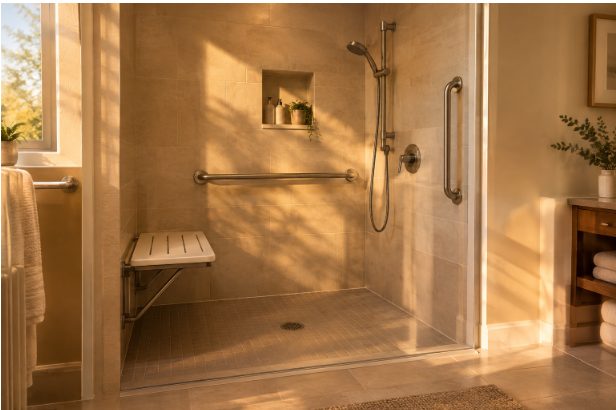
Creating a Bathroom That Supports Independence
Wet surfaces make the bathroom one of the riskiest rooms for slips and falls, so it deserves extra attention. A standard bathtub, for example, can become a real challenge for someone with limited mobility.
A few practical upgrades can make the room much safer:
- Install a walk-in shower with a low or zero-threshold entry.
- Add sturdy grab bars by the shower and toilet.
- Use a shower chair if standing for long stretches is tiring.
- Place non-slip mats on suitable surfaces.
- Consider a raised toilet seat to make sitting and standing easier.
The point isn't to give the bathroom a new look. It's to let older adults handle personal routines with more comfort and confidence.
Making Stairs and Different Levels Easier to Access
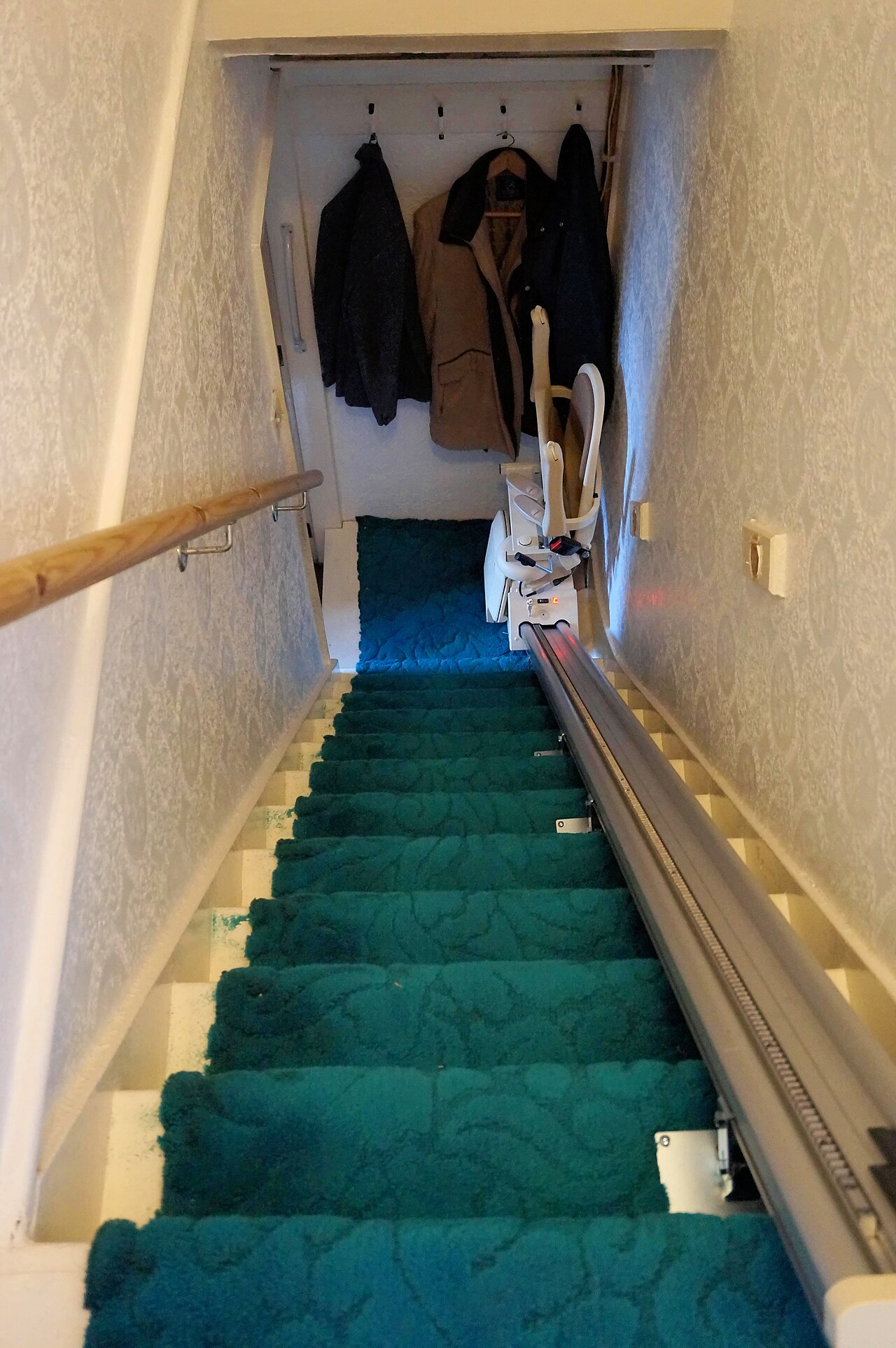
For many people, stairs become the biggest barrier to living independently. Someone who walks comfortably on flat ground may still find a daily climb exhausting or unsafe.
In multi-story homes, a mobility lift can be a practical answer. Stair lifts and platform lifts are both worth looking at, depending on the person's needs and the layout of the property.
For wheelchair users, a professionally installed wheelchair lift can provide safe access between levels.
If you're looking into ways to improve accessibility at home, you can read more about available lift solutions and accessibility options.
Keep in mind that the right equipment depends on the individual. What works well for one household may not suit another.
Helpful Home Modifications at a Glance
Not every improvement has to be costly. Some are quite affordable, while others need professional installation.
| Home Area | Suggested Modification | Main Benefit |
| Bathroom | Grab bars and walk-in shower | Safer bathing |
| Kitchen | Lower storage shelves | Easier access to essentials |
| Staircase | Stair lift or wheelchair lift | Improved floor-to-floor access |
| Hallways | Better lighting | Easier navigation |
| Entrance | Ramp or accessible doorway | Convenient entry and exit |
| Bedroom | Bedside lighting and accessible storage | Greater nighttime comfort |
Before choosing any equipment, think about the person's current abilities as well as what they may need down the road.
Making the Kitchen More Senior-Friendly
In the kitchen, a few tweaks can take a lot of strain out of the day. Reaching for high cabinets, bending to lift heavy pots, and standing for long periods can all become uncomfortable.
Pull-out drawers, everyday dishes kept on lower shelves, and handles that are easy to grip all help. A comfortable chair or small seating spot lets someone rest while preparing meals.
Lighting matters here as well. No one should have to squint while cooking.
Don't Forget About Outdoor Accessibility
Independence doesn't stop at the front door. Spending time outside, breathing fresh air, and tending the garden can noticeably lift day-to-day well-being.
If the entrance has steps, a well-designed ramp can make coming and going much easier. Handrails along outdoor paths, level walking surfaces, and motion-sensor lighting are also worthwhile additions.
For households needing more substantial mobility support, a Wheelchair Lift may be the answer where stairs or changes in elevation get in the way.
Planning for Long-Term Comfort
The best modifications aren't always the priciest. They're the ones that fix real problems and take the stress out of daily routines.
Involve the older adult in every decision. These changes exist to support their lifestyle, preferences, and independence.
An occupational therapist or accessibility specialist can also spot hidden hazards and suggest suitable solutions.
Aging in place is about more than remaining in one house. It means holding on to familiar routines, personal freedom, and control over everyday life. With some planning and the right home improvements, older adults can keep enjoying the place they call home, safely and comfortably, for years to come.