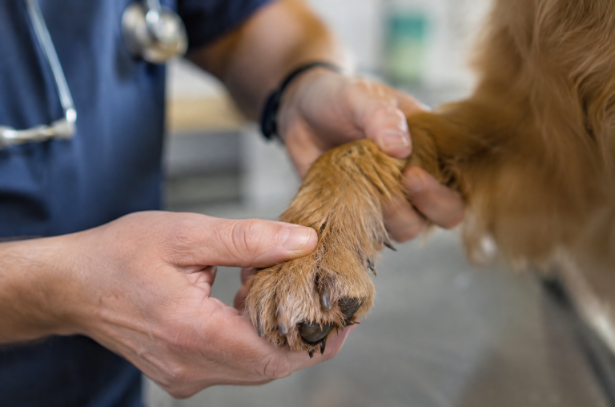
Community-based animal welfare in Virginia begins with a simple idea: many pet-related crises can be eased before a family feels forced to surrender an animal. From rural counties with long drives to veterinary care to busy cities where housing and cost pressures can compound quickly, local support can make a meaningful difference. Community voices, including Virginia Chipurnoi, can help keep attention on the practical systems that allow people and pets to stay together. Animal welfare is more than shelter intake, adoption events, and emergency response. It also involves reliable access to food, medical care, safe housing, behavioral support, and trustworthy information. When a household needs temporary help with pet food or a vaccination appointment, the most humane response may be a clear path to assistance rather than an immediate move toward permanent separation.
Why Community-Based Animal Welfare Matters in Virginia
Virginia is home to communities with different needs, resources, and distances between services. A program that works in Northern Virginia may need adjustment for the Shenandoah Valley, Southside, Hampton Roads, or Southwest Virginia. The shared goal is not to create a one-size-fits-all system. It is to make sure residents know where to turn when they need help caring for an animal. Virginia's animal welfare framework recognizes responsibilities that extend beyond shelters. Under Virginia law on companion-animal care, owners must provide adequate food, water, shelter, space, exercise, care, transportation, and veterinary care as needed to prevent suffering or the transmission of disease. Community programs can help families meet those responsibilities when finances, transportation, or a short-term emergency make it harder to do so.
Start With Prevention, Not Crisis Response
Prevention means identifying the problems that commonly place pets and people under pressure, then offering help early enough to matter. Unexpected veterinary bills, an impending move, an unplanned litter, behavior challenges, illness, or a temporary loss of income can all make pet ownership feel unmanageable. A brief intervention may be enough to stabilize the situation.
Practical Prevention Services
- Low-cost spay and neuter appointments.
- Vaccination, microchip, and parasite-prevention clinics.
- Pet food and litter banks coordinated with existing community pantries.
- Short-term boarding or foster arrangements during hospitalization, domestic violence situations, or housing transitions.
- Behavior advice, training referrals, and support for safe introductions between pets and family members.
- Pet-friendly housing information for renters and families preparing to move.
These services do not need to be offered by one organization. A shelter may identify a need, a veterinary clinic may provide care, a rescue may provide foster care, and a pantry may address food insecurity. The important part is that residents can find the right next step without having to navigate a confusing maze of disconnected contacts.
Expand Access to Affordable Veterinary Care
Routine veterinary care is often easier to manage than a preventable emergency. Communities can improve access through mobile clinics, scheduled pop-up events, transport assistance, payment-support partnerships, and clear referral systems for urgent cases. The Virginia Department of Agriculture and Consumer Services explains that its Office of Veterinary Services manages state animal-care mandates and works with local governments on animal-related issues.
Services That Can Make a Difference
- Wellness exams and basic health assessments.
- Core vaccinations and microchipping.
- Parasite screening and prevention guidance.
- Basic treatment for minor illnesses when appropriate.
- Spay and neuter surgery.
- Referrals for cases requiring full-service or emergency veterinary treatment.
Affordable care should complement, not replace, private veterinary practices. Community programs can focus on access to preventive and basic services, then help pet owners understand when a condition requires a broader diagnostic workup, surgery, hospitalization, or continuing treatment from a veterinarian.
Build Stronger Partnerships Between Local Groups
Effective partnerships make support easier to find. Shelters, animal control agencies, veterinary clinics, rescues, food pantries, housing organizations, schools, faith communities, and local government offices each see different parts of the same problem. Regular communication can turn that patchwork into a useful local safety net.
Useful Partnership Practices
- Maintain one shared, regularly updated list of services and eligibility requirements.
- Create simple referral steps so staff and volunteers know whom to contact.
- Coordinate donations of food, crates, bedding, medication, and cleaning supplies.
- Share transport options for residents without reliable vehicles.
- Set clear expectations for privacy, safety, and animal-care standards.
For example, when a family approaches a shelter because it cannot afford pet food and a routine appointment, staff may be able to refer the household to a nearby pantry and a low-cost clinic. That approach respects the family's bond with the pet while reserving shelter space for animals that truly need placement.
Make Foster Care Easier for More People
Foster homes give animals a quieter place to recover, decompress, or wait for adoption. They can also help caregivers learn more about an animal's daily routines, comfort level, and needs outside a kennel environment. For Virginia shelters and rescues, fostering can be especially valuable during periods of high intake or when an animal needs short-term rest after medical treatment.
Ways to Support Foster Caregivers
- Provide food, bedding, crates, medication, and approved veterinary care.
- Offer clear instructions and a reliable emergency contact.
- Match placements to a foster household's experience, space, and schedule.
- Make short-term foster opportunities available for people who cannot commit for months.
- Recognize foster caregivers through practical support, not just appreciation messages.
Use Education to Build Trust
Helpful education should be clear, respectful, and free from blame. Short guides on vaccination, leash safety, pet introductions, disaster planning, signs of illness, and local surrender alternatives can be shared through libraries, schools, apartment communities, clinics, and neighborhood events. Information is more likely to be used when it is written plainly, available in common local languages, and paired with an immediate next step.
Support Responsible Local Policy
Residents can also participate in constructive conversations about public funding, humane shelter standards, emergency animal response, pet-friendly housing, and enforcement of cruelty laws. Useful questions include whether basic veterinary care is reachable for low-income residents, whether foster capacity is adequate, whether shelter outcomes are clearly reported, and whether rural residents can access services without excessive travel.
Measure Results Without Losing the Human Element
Good intentions deserve practical evaluation. Local programs can track the number of pets receiving preventive care, changes in owner-surrender requests, foster placement outcomes, spay-and-neuter totals, time spent in care, and feedback from residents and volunteers. Numbers help identify gaps, but respectful conversations reveal why a family did or did not receive the help it needed.
How Individuals Can Help
- Adopt from a shelter or rescue when ready for a long-term commitment.
- Foster an animal for a short or extended period.
- Donate food, litter, bedding, crates, or cleaning supplies.
- Volunteer transport to a clinic, foster home, or adoption event.
- Share accurate local resources with neighbors who need support.
- Learn basic pet first aid and prepare an emergency plan.
- Report suspected cruelty through the appropriate local animal control or law-enforcement channels.
Conclusion
Stronger animal welfare systems in Virginia are built through steady, local action and cooperation among shelters, veterinary providers, rescue groups, community organizations, and pet owners. Prevention, affordable care, foster support, education, and partnership can help more animals stay safe and remain with the people who love them. Access to basic veterinary services, pet food assistance, behavior guidance, and temporary care can also reduce the pressures that sometimes lead families to surrender their animals. At the community level, clear information about available resources can help people seek support earlier, while volunteer and foster networks can provide additional help when shelters face capacity challenges. These efforts work best when they respond to local needs and remain accessible to households with different circumstances. The most useful response is not waiting until a crisis reaches a shelter door. It is building reliable support before that crisis begins, strengthening the connections that help animals and their caregivers receive assistance when they need it.