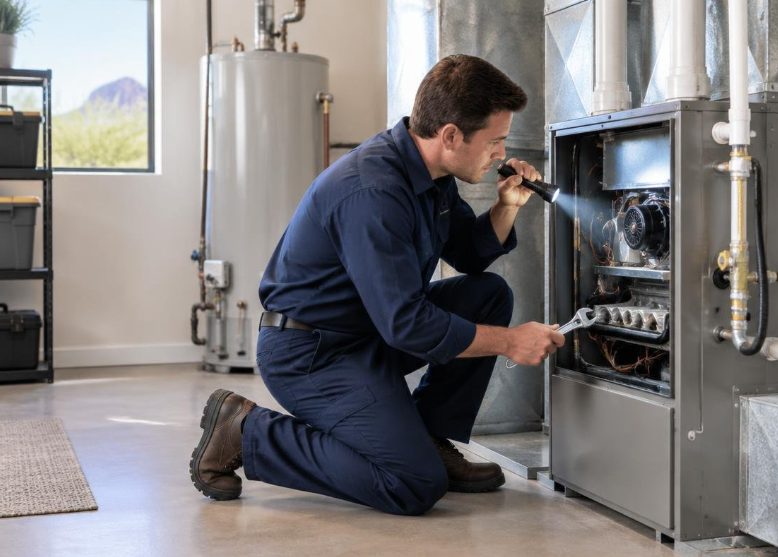
Signs Your Scottsdale Home Heating System Needs Professional Attention
Even in sunny Scottsdale, AZ, winter evenings can bring a chill, making a reliable furnace essential for home comfort. When your heating system falters, finding the furnace repair best in Scottsdale, AZ becomes a top priority. A malfunctioning furnace can mean more than just discomfort; it can lead to safety concerns and higher energy bills. We understand the stress a broken heating system causes. This comprehensive guide aims to equip you with the knowledge needed to address common furnace issues, understand maintenance needs, and confidently choose a reputable repair service in our community.
Navigating furnace problems can feel overwhelming, but understanding the signs of trouble and knowing your options can save you time and money. We will cover the most common furnace issues homeowners face, what to look for in a skilled technician, and proactive steps you can take to maintain your system. Knowing how to select a qualified professional is critical, and we'll explore key considerations for picking best furnace repair Scottsdale that homeowners can rely on. By the end of this guide, you will be well-prepared to ensure your home stays warm and safe, even on the coldest desert nights.
Recognizing the early warning signs that your furnace needs attention can prevent minor issues from escalating into major, costly repairs. Ignoring these indicators can lead to decreased efficiency, higher energy bills, and even safety hazards. In Scottsdale, where furnaces might see less frequent use than in colder climates, it's easy to overlook subtle changes until a complete breakdown occurs. However, being vigilant can save you significant hassle and expense.
One of the most immediate signs of trouble is strange noises. Furnaces are designed to operate relatively quietly. If you start hearing bangs, squeals, rattles, or hums that are out of the ordinary, it’s a clear signal that something is amiss. A banging sound, for instance, could indicate issues with the burner, while a squealing noise often points to a worn-out fan belt or motor bearings. Rattling could be a loose panel or debris inside the unit.
Another common indicator is frequent cycling, where your furnace turns on and off more often than usual. This "short cycling" suggests that the furnace is struggling to maintain the desired temperature, possibly due to an oversized unit, a clogged filter, or a faulty thermostat. Conversely, a furnace that runs continuously without reaching the thermostat setting also signals a problem, often related to a lack of heat production or poor airflow.
A noticeable spike in your utility bills without a corresponding increase in usage is a strong sign that your furnace is operating inefficiently. As components wear down or become dirty, the system has to work harder to produce heat, consuming more energy in the process. This inefficiency directly translates to higher costs for you.
The color of your furnace's pilot light (if applicable) can also be a critical diagnostic tool. A healthy pilot light should burn with a strong, steady blue flame. If you observe a yellow or flickering flame, it could indicate an incomplete combustion process, potentially releasing dangerous carbon monoxide into your home. This is a serious safety concern that requires immediate professional attention.
Poor airflow from your vents or uneven heating throughout your home are also red flags. If some rooms are warm while others remain cold, it could be due to ductwork issues, a struggling blower motor, or blockages. Similarly, if the air coming from your vents feels weak, it might be a sign of a clogged filter or a problem with the fan.
Finally, an increase in dust buildup around your home, especially near vents, can indicate that your furnace's filter is overloaded or that your ductwork is leaking. This not only impacts indoor air quality but also forces your furnace to work harder.
Diagnostic Indicators and Safety Warnings
Beyond the general signs, specific diagnostic indicators often point to more serious underlying issues that demand prompt professional intervention. These often involve critical components that ensure both the furnace's operation and your home's safety.
One of the most alarming concerns is the potential for gas leaks. While natural gas furnaces are generally safe, a leak can be extremely dangerous. Signs include a distinct rotten egg smell, hissing sounds near the gas line, or dead vegetation near outdoor gas lines. If you suspect a gas leak, evacuate your home immediately and contact your gas provider and emergency services.
The presence of carbon monoxide is another silent but deadly threat. As mentioned earlier, a yellow or flickering pilot light is a major warning sign. Other indicators include soot stains around the furnace, excessive moisture on windows, and physical symptoms like headaches, dizziness, or nausea among household members. Installing carbon monoxide detectors is crucial for early detection, as this gas is odorless and colorless.
A cracked heat exchanger is a severe problem. The heat exchanger separates combustion gases from the breathable air in your home. If it cracks, combustion byproducts, including carbon monoxide, can leak into your indoor air. Signs of a cracked heat exchanger can be subtle, such as a strong, unusual odor when the furnace runs, or the aforementioned yellow flame. Only a trained technician can accurately diagnose and address this dangerous issue.
A faulty sensor can cause a furnace to malfunction or shut down prematurely. Modern furnaces are equipped with various safety sensors that monitor conditions like flame presence and temperature. If a sensor fails, the furnace might not ignite, or it might cycle off too quickly, leading to inconsistent heating.
Problems with the blower motor or blower malfunction can severely impact airflow and heating distribution. If the blower isn't moving air effectively, your home won't heat evenly, and the furnace itself can overheat. Noises from the blower assembly, weak airflow, or no airflow at all are key indicators.
Finally, electrical failure can manifest in various ways, from a furnace that won't turn on to tripped circuit breakers. Issues could range from a simple blown fuse to more complex wiring problems or a failing control board. Given the electrical components involved, any electrical issue should be handled by a qualified HVAC technician to prevent further damage or safety risks.
Desert Climate Wear and Environmental Factors
Scottsdale's unique desert climate presents specific challenges for furnace systems that homeowners should be aware of. While winters are generally mild, the extreme heat of the summer months and the dry, dusty conditions throughout the year can impact furnace longevity and performance.
One significant factor is dust accumulation. The desert environment is inherently dusty, and this fine particulate matter can easily infiltrate your HVAC system. Over time, dust can clog air filters, coat internal components like the blower motor and heat exchanger, and reduce efficiency. Regular filter changes and professional cleaning are vital to combat this.
The prolonged periods of summer dormancy also play a role. For many months, your furnace remains inactive while your air conditioning system works overtime. This inactivity can lead to issues when the heating season arrives. Components can seize up, electrical connections can corrode, or pests might build nests within the unit. A pre-season tune-up is particularly important in Scottsdale to ensure the furnace is ready to operate after its long break.
The dry air characteristic of the desert can also affect furnace components, potentially leading to material fatigue or static electricity issues. While not as direct an impact as dust, it's part of the overall environmental stress on the system.
Thermostat calibration can become an issue over time. Extreme temperature swings between seasons can sometimes affect the accuracy of older thermostats. A miscalibrated thermostat might not accurately read the room temperature, leading to your furnace running unnecessarily or failing to turn on when needed, impacting both comfort and energy consumption.
Lastly, airflow obstruction within the home's ductwork or around the furnace unit itself can diminish performance. Furniture blocking vents, closed registers, or even debris in the ductwork can restrict the flow of warm air, making your furnace work harder and less effectively. Ensuring clear pathways for air circulation is a simple yet effective preventative measure. The seasonal strain of going from intense heat to cooler temperatures, even if mild, can put stress on a system that is not regularly maintained or inspected.
Picking Best Furnace Repair Scottsdale Homeowners Can Rely On
When your furnace unexpectedly breaks down, finding a trustworthy and efficient repair service is paramount. In Scottsdale, with numerous options available, knowing how to discern the best from the rest is crucial for ensuring quality service and peace of mind. The goal is not just to fix the immediate problem but to ensure the long-term reliability and safety of your heating system.
The process of selecting a furnace repair company begins with thorough contractor evaluation. This involves looking beyond a quick online search and delving into the company's reputation, experience, and commitment to customer satisfaction. A reliable contractor will have a strong track record of serving the community. For instance, some companies have been providing heating and AC services in the Scottsdale area for decades, demonstrating deep roots and extensive local experience. Others might boast over thirty years of dedicated furnace service, indicating a profound understanding of local heating needs and common issues.
Transparency in pricing is another key factor. You want a company that offers upfront pricing with no hidden fees. A reputable service provider will conduct a thorough diagnostic and then provide a detailed estimate before any work begins, explaining all costs involved. This allows you to make an informed decision without feeling pressured.
Crucially, always verify that the company has verified licensing and insurance coverage. Licensing ensures that the technicians meet state and local professional standards, while insurance protects both you and the technicians in case of accidents or damage during the repair process. Never hire an uninsured or unlicensed contractor, as this puts you at significant financial and liability risk.
Key Criteria for Picking Best Furnace Repair Scottsdale Contractors
To truly identify the top-tier furnace repair services in Scottsdale, delve deeper into specific qualifications and customer-centric practices. These criteria serve as benchmarks for excellence and reliability.
One of the most important certifications to look for is NATE certification. NATE (North American Technician Excellence) is the leading certification program for HVAC technicians, signifying a high level of competency and expertise in heating, ventilation, air conditioning, and refrigeration. Technicians with NATE certification have demonstrated their knowledge in a rigorous, industry-recognized exam, assuring you that they are well-versed in the latest technologies and repair techniques.
Availability of emergency service is another critical consideration. Furnaces rarely break down at convenient times. A top-rated repair service understands this and offers 24/7 emergency repair services, ensuring that you're not left in the cold during off-hours or holidays.
Warranty coverage on both parts and labor is a strong indicator of a company's confidence in its work. Reputable contractors stand behind their repairs, offering warranties that protect you should the same issue recur shortly after the service. Always inquire about the specifics of their warranty policy.
Transparent estimates go hand-in-hand with upfront pricing. A good technician will not only provide a written estimate but also explain the diagnosis, the necessary repairs, and why they are recommending specific solutions. They should be willing to answer your questions thoroughly and patiently.
Checking customer reviews and testimonials provides invaluable insight into a company's service quality and customer satisfaction. Platforms like Google reviews offer a glimpse into other homeowners' experiences. For example, a company with a 4.9 out of 5 Google rating based on a substantial number of reviews suggests a high level of customer satisfaction. Pay attention to comments regarding professionalism, timeliness, and the effectiveness of repairs.
Finally, consider the overall technician experience of the team. Companies with decades of experience, like those with 30 years of combined experience in HVAC repairs, often have a deep institutional knowledge that translates to more efficient and accurate problem-solving. An experienced technician is more likely to quickly diagnose complex issues and implement lasting solutions. When you're looking for the best, these details matter. For further guidance on selecting a professional, exploring resources on Picking best furnace repair Scottsdale can provide additional insights.
Evaluating Costs Before Picking Best Furnace Repair Scottsdale Services
Understanding the components that contribute to the cost of furnace repair can help you budget effectively and avoid surprises. While we cannot provide specific pricing information, we can outline the typical cost elements you'll encounter.
The first component is usually a diagnostic fee. This is a charge for the technician to visit your home, inspect your furnace, and identify the root cause of the problem. This fee is often waived or applied towards the total repair cost if you proceed with the recommended service.
Labor rates constitute a significant portion of the repair cost. These rates vary based on the company, the technician's experience, and whether the service is performed during standard business hours or as an emergency call. More complex repairs naturally require more labor time.
The cost of component replacement depends entirely on which part needs to be replaced. Common parts that fail include igniters, flame sensors, thermostats, blower motors, and circuit boards. The price of these parts can vary widely, with major components like a new heat exchanger or blower motor being considerably more expensive than smaller, simpler parts.
Average expenses for furnace repair can fluctuate based on the type of repair needed. Minor repairs, such as replacing a flame sensor or a clogged filter, will naturally be less expensive than major overhauls like replacing a cracked heat exchanger or a control board. It's important to get a clear breakdown of these costs.
Price transparency is key. A reputable company will provide a detailed invoice that clearly lists the diagnostic fee, labor costs, and the price of any replacement parts. They should also explain any potential discounts, such as a 10% discount for seniors and military personnel, if applicable. While comparing quotes, ensure you are comparing like-for-like services and parts, and don't let a low upfront quote sway you if it lacks transparency or comes from an unverified source.
Comparing Furnace Repair, Routine Maintenance, and System Replacement
Understanding the distinct roles of furnace repair, routine maintenance, and system replacement is crucial for any Scottsdale homeowner. Each service addresses different needs and has varying implications for your system's longevity, efficiency, and your wallet. Knowing when to opt for one over the others can save you money and ensure consistent home comfort.
Furnace repair is typically reactive, meaning it addresses an existing problem or breakdown. When your furnace stops working, makes unusual noises, or fails to heat your home, repair services are called upon to diagnose and fix the specific issue. This might involve replacing a faulty part, troubleshooting an electrical problem, or clearing a blockage. The goal of repair is to restore your furnace to its proper working condition.
Routine maintenance, often referred to as an annual tune-up or preventative care, is proactive. It involves regularly scheduled inspections and adjustments designed to keep your furnace running efficiently and prevent future breakdowns. During maintenance, technicians clean components, check electrical connections, lubricate moving parts, inspect the heat exchanger, and verify proper operation of safety controls. The benefits are significant: improved energy efficiency, reduced risk of unexpected repairs, increased furnace lifespan, and enhanced indoor air quality. In Scottsdale, where furnaces might sit idle for extended periods, an annual tune-up before the heating season is particularly vital.
System replacement is the most significant investment and becomes necessary when a furnace is beyond repair, constantly breaking down, or has reached the end of its useful life. While most HVAC systems can last 10 to 15 years, sometimes more with appropriate maintenance, an older unit might become so inefficient or unreliable that replacing it makes more financial sense than continuing to repair it. A new, modern high-efficiency home furnace installation can offer substantial energy savings, improved comfort, and greater peace of mind.
Furnace Service Options and Trade-Offs
To illustrate the differences more clearly, let's look at a comparison of these three essential furnace services:
Feature Furnace Repair Routine Maintenance Full Replacement Purpose Fix existing problems/breakdowns Prevent issues, optimize performance, extend life Install new, more efficient system Frequency As needed (unpredictable) Annually (pre-season recommended) When unit is old, inefficient, or irreparable Cost Varies by issue (part + labor) Relatively low (fixed annual fee) High (significant upfront investment) Lifespan Impact Restores function, may prolong life slightly Significantly extends lifespan, prevents premature failure Starts new lifespan (10-15+ years) Energy Efficiency Restores original efficiency (if part replaced) Improves/maintains peak efficiency Significantly improves (modern high-efficiency) Ideal Scenario Sudden malfunction, specific component failure Before heating season, for all operational units Old, unreliable, inefficient unit; frequent repairs This table highlights the distinct roles each service plays in managing your home heating system. Filter replacement is a simple maintenance task that homeowners can often do themselves, but it's also a critical part of professional maintenance, impacting airflow and efficiency. Safety inspections are a core component of maintenance, ensuring that all safety controls are functioning correctly and preventing dangerous situations like carbon monoxide leaks. Burner cleaning is another key maintenance task that ensures efficient combustion and prevents soot buildup.
Considering the equipment lifecycle, regular maintenance can push your furnace closer to or even beyond its typical 10-15 year lifespan. However, once a furnace approaches or exceeds this age, and repairs become frequent and costly, investing in a new unit often provides better long-term value through enhanced reliability and lower energy consumption. The trade-off between repair and replacement often comes down to the age of the unit, the cost of the repair versus the cost of a new system, and the desired energy savings.
Frequently Asked Questions About Scottsdale Heating Repair
Homeowners in Scottsdale often have specific questions about their heating systems, given the unique climate and usage patterns. Here, we address some of the most common inquiries to help you better manage your furnace.
How often should a furnace be serviced in Scottsdale?
Even in Scottsdale's milder climate, an annual tune-up is highly recommended for your furnace. The ideal time for this is in the fall, before the colder temperatures of winter set in. This pre-winter inspection ensures that your system is clean, efficient, and ready to perform when you need it most. Regular furnace maintenance can prevent unexpected breakdowns and costly repairs, improve energy efficiency, and extend the lifespan of the system.
During this service, a technician will perform thorough safety checks, clean critical components, inspect electrical connections, and make any necessary adjustments. This proactive approach helps identify minor issues before they become major problems. While homeowners can perform routine filter replacement every 1-3 months depending on usage and household conditions, professional servicing covers much more. Statistics show that a tune-up can significantly improve cost-effectiveness and energy-efficiency, reduce the risk of repairs, increase furnace lifespan, and improve comfort and air quality.
What is the typical lifespan of a home furnace?
The typical lifespan of a home furnace generally ranges from 10 to 15 years, though some well-maintained units can last even longer. Several factors influence this duration, including the quality of the original installation, the frequency of use, and most importantly, the consistency of maintenance frequency.
A furnace that receives regular annual tune-ups is far more likely to reach or exceed its projected lifespan than one that is neglected. Proper maintenance helps to mitigate the effects of equipment wear and tear, ensuring that components operate efficiently and don't prematurely fail. Over time, as a furnace ages, its heating efficiency can decline, even if it's still operational. An older furnace might struggle to heat your home effectively, leading to higher energy bills. When a furnace approaches or surpasses the 15-year mark and requires frequent, expensive repairs, it's often a strong indicator that replacement might be a more economical and reliable option.
What preventative steps can homeowners take to avoid sudden heating failures?
While professional maintenance is indispensable, there are several simple yet effective preventative measures homeowners can take to avoid furnace issues and maintain optimal performance between service calls.
One of the most crucial steps is regular filter changes. A dirty or clogged air filter restricts airflow, forcing your furnace to work harder and reducing its efficiency. In dusty Scottsdale, checking and replacing your furnace filter every 1-3 months, or more frequently if you have pets or allergies, is vital.
Ensuring proper vent clearance is another easy win. Make sure that all heating vents and return air registers in your home are unobstructed by furniture, rugs, or drapes. Blocked vents can disrupt airflow and lead to uneven heating and increased strain on your system.
Investing in and properly utilizing programmable thermostats can also contribute to furnace longevity and efficiency. Setting back the temperature when you're away or asleep reduces the workload on your furnace and can save energy. Smart thermostats can even learn your preferences and optimize heating schedules automatically.
Finally, pay attention to early diagnostics. If you notice any of the warning signs discussed earlier – strange noises, unusual smells, or inconsistent heating – don't ignore them. Addressing minor issues promptly can prevent them from escalating into major breakdowns. Being proactive about these simple steps can significantly reduce the likelihood of sudden heating failures and keep your furnace running smoothly throughout Scottsdale's cooler months.
Conclusion
Ensuring your home remains warm and comfortable during Scottsdale's cooler evenings is a priority, and a well-functioning furnace is at the heart of that comfort. As we've explored, recognizing the signs of a struggling system, understanding the critical difference between repair, maintenance, and replacement, and knowing how to select a truly reliable service provider are all essential for homeowners.
The key takeaway is the power of proactive maintenance. An annual tune-up, especially before the heating season, is not just a recommendation but a vital investment in your system's longevity and efficiency. It helps prevent unexpected breakdowns, ensures your furnace operates safely, and contributes to significant energy savings over time.
When repairs are needed, seeking out certified professionals who demonstrate expertise, transparency, and a commitment to customer service is paramount. Look for NATE-certified technicians, clear upfront pricing, comprehensive warranty coverage, and strong customer reviews to ensure you're getting the best service.
Your goal is to achieve year-round comfort assurance and heating safety. By taking these informed steps – from regular filter changes and monitoring your system for warning signs to scheduling professional maintenance and choosing reputable repair services – you can ensure your furnace delivers consistent performance and efficiency. Embrace these practices, and you'll enjoy a home that's always ready for whatever the Scottsdale weather brings, guaranteeing your system efficiency and seasonal reliability for years to come.