Ask any violinist, violist, or cellist about their worst performance memory, and there is a good chance it involves clothing. A sleeve that caught the bow. A necklace that buzzed against the instrument. Shoes that slipped on a polished stage floor. A jacket that looked perfect in the mirror and felt like a straitjacket by the second movement.
Performing live is part music and part presentation. Audiences hear you, but they also see you, and what you wear affects how comfortably you play and how confidently you carry yourself. This guide covers how to dress for the stage as a string player, from fabrics and fit to accessories, lighting, and the gear you carry in with you.
Why Stage Style Matters More Than You Think
For string players, clothing is not just about looking polished. It is functional equipment. Your bow arm needs a full range of motion. Your instrument needs a clean, quiet contact point at the chin, shoulder, or chest. Your posture needs to stay relaxed for an hour or more under warm stage lights.
At the same time, an audience forms impressions before the first note. A cohesive, well-fitted outfit tells them you take the performance seriously. It also helps the ensemble look unified, which matters in orchestras, quartets, and wedding gigs where several players share the stage.
The good news is that you do not have to choose between style and function. With a few smart choices, you can have both.
Concert Black, Reimagined
Concert black remains the standard for most classical ensembles, and for good reason. It is timeless, it keeps the focus on the music, and it looks cohesive under almost any lighting. But “all black” does not have to mean boring or uncomfortable.
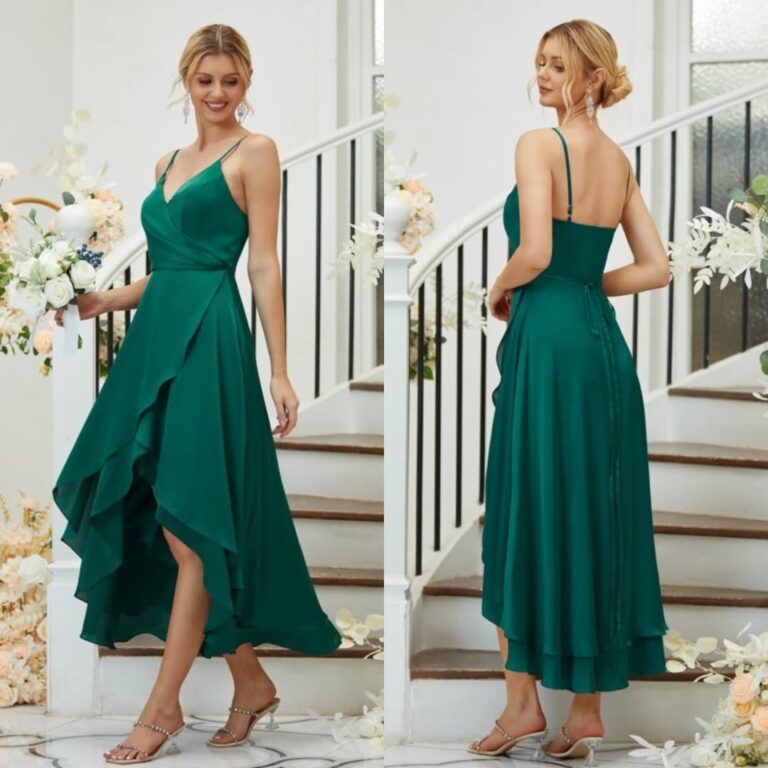
Modern concert wardrobes have more range than ever. Tailored wide-leg trousers, structured knit tops, wrap dresses, jumpsuits, and soft blazers can all work beautifully in black. The key is to treat the dress code as a foundation rather than a limit. Play with texture, such as matte crepe paired with a subtle sheen, and with silhouette, such as a cropped jacket over a longer top.
For less formal gigs, like chamber concerts in galleries, jazz-influenced string sets, or wedding ceremonies, you have more freedom. Jewel tones, deep neutrals like navy and charcoal, and coordinated ensemble palettes can look striking on stage while still feeling professional. If you play with a regular group, consider agreeing on a shared color story so everyone looks intentional together.
Fabrics and Fit That Let You Play
The most important rule of stage dressing for string players is simple: test your outfit with your instrument before the day of the show. Something that looks great standing still may not work once you raise the bow.
For violinists and violists:
- Avoid stiff shoulder pads and bulky collars on the left side, since they interfere with the chin rest and shoulder rest.
- Choose sleeves that are fitted or end above the elbow. Loose, flowing sleeves can drag across the strings or catch on the bow.
- Look for fabrics with some stretch through the shoulders and back, so your bow arm can move freely.
- Skip sequins, beading, or textured trims near the neckline. They can scratch the instrument and create unwanted noise.
For cellists:
- Full skirts, wide-leg trousers, and palazzo pants are classic choices because they allow you to sit with your knees apart comfortably and modestly.
- Avoid pencil skirts and very slim fits that restrict your seated position.
- Pay attention to fabric weight. Heavier fabrics drape well and stay in place while you play.
For everyone:
- Breathable natural fibers and performance blends help you stay comfortable under hot lights.
- Check the fit while seated, standing, and playing at full volume.
- Make sure nothing rustles, clicks, or swishes when you move.
Your Case Is Part of Your Look Too
Here is something many musicians overlook: your instrument case is the first thing people see when you walk into a venue. You carry it through the lobby, past the audience, and onto the stage. A worn, scuffed case can undercut an otherwise polished presentation.
More importantly, your case is what protects your instrument while you travel between home, rehearsals, and gigs. A good case keeps your violin, viola, or cello safe from bumps, temperature swings, and changes in humidity, all of which can affect tuning, sound, and the long-term health of the wood.
When choosing a case, consider how you usually travel. Lightweight cases with backpack straps are ideal for musicians who commute on foot or by public transit. Hard-shell cases with strong suspension offer more protection for air travel and long drives. Interior features also matter, including a secure neck strap, a built-in hygrometer, and enough accessory space for rosin, spare strings, and a cleaning cloth.
Style counts here as well. Cases now come in a wide range of colors, finishes, and materials, from classic black to bold shades and sleek modern shells. If you want to compare options that balance protection and appearance, the Great Violin Cases shop offers a range of cases for violins, violas, and cellos. Think of it as the one accessory that works hard for you at every single performance.
Shoes, Hair, and Accessories
Small details can make or break your comfort during a long performance.
- Shoes should be stable and quiet. Standing players need support for long sets, and seated players need shoes that let them plant their feet firmly. Low block heels, polished loafers, and supportive flats are reliable options. Always test your soles on a smooth floor, since many stages are slicker than you expect.
- Hair should stay out of your face and away from the strings. Violinists and violists in particular benefit from styles that keep hair off the left side of the neck. Sleek low buns, braids, and half-up styles look elegant and stay put.
- Jewelry is where many players run into trouble. Long necklaces, dangling earrings on the instrument side, and bracelets on the bow hand can all cause buzzing or distractions. Stud earrings, a simple ring on the right hand, or a statement piece worn well away from the instrument are safer choices. Watches are usually best left in your bag.
- Dressing for the Venue, Lights, and Stage
Where you perform shapes what you should wear. A candlelit church, a sunny outdoor wedding, and a professionally lit concert hall each call for different choices.
Lighting is one of the biggest factors. Bright stage lights can wash out pale colors and make very shiny fabrics look harsh, while dim venues can swallow dark outfits completely. Rich colors and fabrics with subtle texture tend to look best under most lighting. If you can, ask the organizer about the setup in advance or arrive early to check how the space looks.
Stage layout matters too. A raised platform puts your shoes and hemlines at eye level for the front row, while a crowded stage means you need clothing that will not snag on music stands or chairs. If you want to understand the bigger picture, it helps to learn how event staging shapes the live concert experience. Sightlines, lighting placement, and performer movement all influence how an audience sees you, and knowing these details helps you dress with the room in mind.
For outdoor gigs, plan for the weather. Layers you can remove easily, breathable fabrics in summer, and a neat wrap or jacket for cooler evenings will keep you comfortable without compromising your look.
A Simple Pre-Show Checklist
Before your next performance, run through this quick list:
- Rehearse in your outfit. Play at least one full piece in your performance clothes.
- Check for noise. Listen for anything that rattles, buzzes, or rustles.
- Test your shoes. Make sure they are comfortable and stable on a smooth floor.
- Secure your hair. Choose a style that stays put through the whole set.
- Pack a backup kit. Bring safety pins, a lint roller, a spare top, and extra strings.
- Inspect your case. Confirm the latches, straps, and humidity control are working.
- Arrive early. Check the lighting, stage layout, and temperature before you change.
Final Thoughts
Great stage style for string players is a balance between looking polished and playing freely. When your clothing fits well, stays quiet, and suits the venue, you can stop thinking about it and focus entirely on the music. When your gear is reliable and looks the part, you walk on stage feeling prepared from the moment you arrive.
Your audience may not notice every detail, but they will notice the confidence those details give you. And in live performance, confidence is part of the sound.