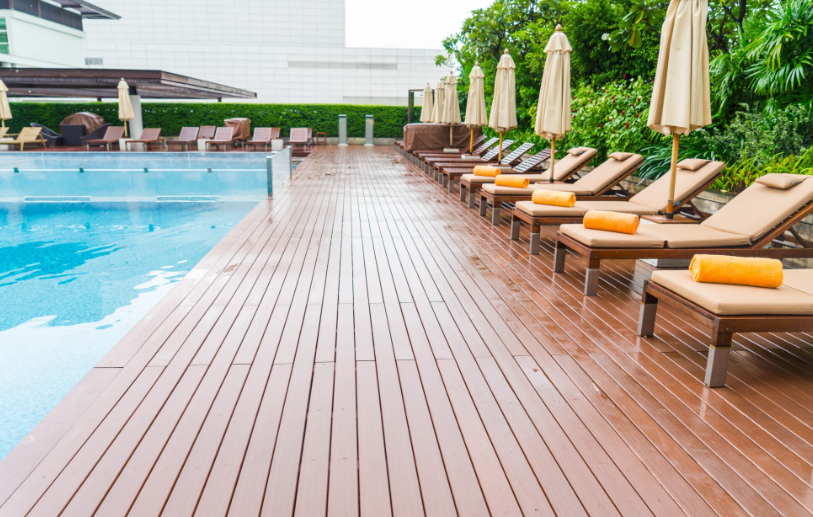
Exploring the Exquisite Charm of Wooden Decking
Outdoor areas can become some of the most enjoyable parts of a home when they are designed with comfort, practicality, and appearance in mind. Timber decking offers a simple way to create a warm and inviting surface for relaxing, dining, entertaining, or enjoying fresh air.
Its natural appearance works well with gardens, patios, balconies, and other outdoor settings. However, choosing timber decking involves more than selecting a colour or finish. The type of timber, installation method, maintenance needs, safety, and expected use all deserve careful consideration.
The Appeal of Natural Aesthetics
Timber decking brings a natural character that can be difficult to reproduce with manufactured materials. Each board has its own grain, texture, and subtle colour variations, giving the finished surface a warm and individual appearance. Timber can also soften the look of contemporary outdoor areas and create a comfortable connection between the home and garden.
Different finishes can change the overall appearance of the deck. A clear protective coating can help retain the timber's natural character, while a tinted finish can create a deeper or more uniform colour.
Choosing the Right Timber
The type of timber used for decking can affect its appearance, strength, maintenance requirements, and service life. Hardwood options such as teak and ipe are known for their density and resistance to outdoor conditions. They can provide a durable surface when installed and maintained correctly.
Softwoods such as pine can offer a more affordable option. They may need suitable treatment to improve resistance to moisture, insects, and decay. Climate, exposure to sunlight, expected foot traffic, cleaning requirements, and available maintenance time can all influence which material is most suitable.
Sustainability and Responsible Choices
Environmental considerations are increasingly important when selecting outdoor building materials. Timber can be a responsible choice when it comes from well-managed sources and is produced using appropriate forestry practices.
The useful life of a deck also matters when considering environmental impact. A durable structure that is properly maintained may need fewer replacements over time. Choosing an appropriate material and caring for it properly can therefore support a more thoughtful approach to outdoor improvements.
Planning and Installation
Good installation begins before the first decking board is fitted. The ground or supporting structure needs to be prepared carefully, with suitable drainage to prevent standing water. Moisture that remains around timber for long periods can contribute to deterioration, so water management should be treated as an important part of the design.
The boards should be positioned with suitable spacing to allow drainage and natural movement. Fastening methods can vary. Visible screws or nails may provide a straightforward installation, while hidden systems can create a cleaner appearance.
Maintenance and Longevity
Regular care helps timber decking remain attractive and structurally sound. Dirt, leaves, and other debris should be removed regularly because trapped moisture can encourage staining and fungal growth. Gentle cleaning can help keep the surface fresh without unnecessarily damaging the timber.
Protective products can also help reduce moisture absorption and the effects of sunlight. The appropriate treatment depends on the timber species and the manufacturer's recommendations.
Managing Common Problems
Outdoor timber naturally responds to changes in temperature and moisture. Boards can expand, contract, crack, or change shape when exposed to changing conditions. This does not necessarily mean the material is unsuitable, but poor design, inadequate drainage, or insufficient maintenance can make these issues more noticeable.
Regular inspections can help identify loose fasteners, damaged boards, surface wear, or areas where water is collecting. Addressing small problems early is generally easier than allowing them to develop into larger repairs. Good ventilation beneath raised decking can also help the structure dry more effectively after rainfall.
Design and Customisation
One of the strengths of timber decking is its flexibility. For outdoor projects that require a natural-looking surface with flexible design options, timber wood decking can be considered alongside other decking materials. Boards can be arranged in different directions and patterns to complement the shape of an outdoor area. The deck can also be designed around existing trees, garden beds, doors, or other features.
Built-in seating can provide a convenient place to relax, while planters can introduce greenery without taking up unnecessary floor space. Outdoor lighting can improve visibility and create a more comfortable atmosphere in the evening.
Safety and Accessibility
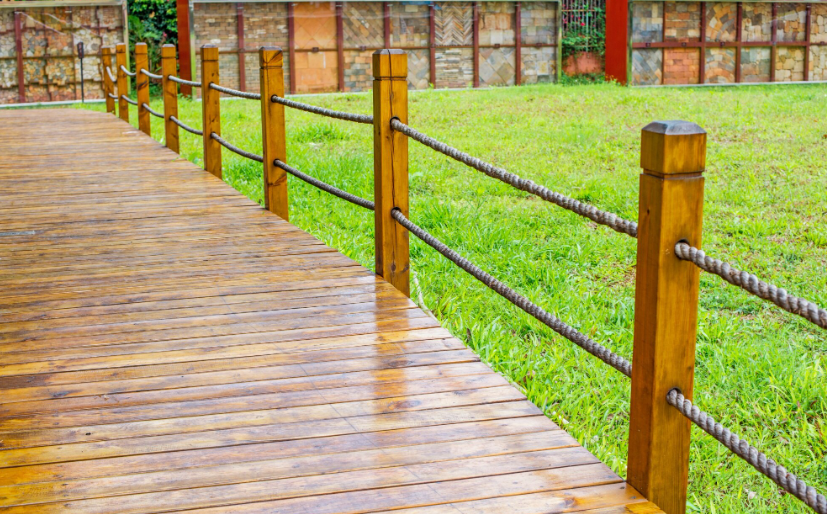
A well-designed deck should be comfortable and safe for everyone using it. The surface should provide suitable grip, particularly in areas that may become wet. Stairs, steps, and raised sections should be designed carefully, with secure handrails where appropriate.
Accessibility should also be considered during planning. A layout with gentle transitions can make movement easier for people with limited mobility. Keeping walkways clear and ensuring adequate lighting can further improve everyday use.
Getting Better Value
Timber decking can represent a worthwhile improvement when its design matches the way an outdoor area will actually be used. A deck intended for regular dining may need a different layout from one designed mainly for quiet relaxation. Thinking about furniture, shade, drainage, access, and storage before installation can help prevent costly changes later.
A comfortable outdoor area can provide a practical extension of the living space and encourage people to spend more time outside. With sensible material selection and consistent care, timber decking can remain useful and attractive for many years.
Creating a Lasting Outdoor Space
Before choosing timber, consider how much direct sun, rain, and activity the deck will receive. Matching the material and finish to these conditions can make routine care easier and help the surface stay dependable.
Timber wood decking combines natural appearance, flexibility, and practical performance, making it a strong option for many outdoor areas. The best results come from choosing suitable timber, preparing the site properly, planning drainage, installing the boards carefully, and following an appropriate maintenance routine.
A successful deck should suit both the property and the people using it. Simple design decisions can make the space easier to maintain, safer to use, and more enjoyable throughout the year. By considering appearance, durability, sustainability, accessibility, and everyday function together, homeowners can create an outdoor area that feels welcoming without becoming unnecessarily difficult to manage.