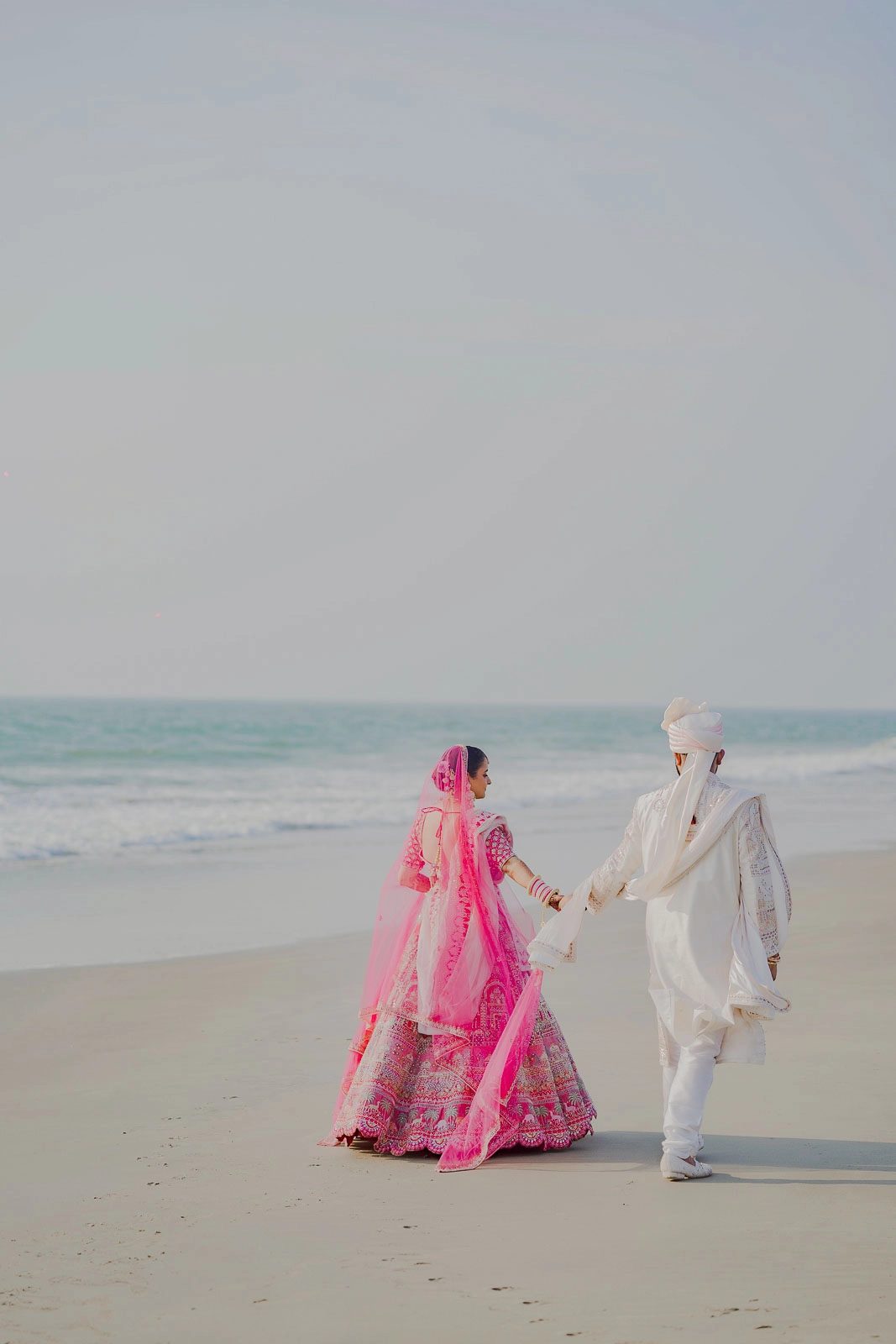
A beach wedding in Goa sounds effortless. Sand under your feet, sea behind the mandap, a warm orange sky as you say your vows. And it can be exactly that. But anyone who has photographed one will tell you the beach is also unpredictable. The wind messes with veils, the sun gets harsh by noon, and the tide doesn’t care about your muhurat.
The good news is that most of these problems are easy to plan around. A little thought about location, light and logistics goes a long way, and it’s the difference between photos that look fine and photos that make your family stop scrolling.
Start with the person behind the camera. Beach weddings need someone who has worked with shifting light, sea breeze and sandy setups, not just studio-style posing. If you’re still choosing, it helps to look at the work of the best wedding photographers in Goa and see how they handle golden hour, candid moments and group shots in open spaces.
Here’s what to know before you finalise anything.
Pick the Right Beach for Your Kind of Wedding
Goa’s coastline is longer and more varied than most people expect, and each stretch has its own mood.
Palolem and Agonda (South Goa). Calm, curved bays with palm trees and a slower pace. Good for small, intimate weddings where the focus is on family and quiet moments. Agonda in particular has a wide, open feel and fewer crowds.
Ashwem, Mandrem and Morjim (North Goa). Cleaner, quieter stretches with boutique resorts nearby. They work well for modern, minimal setups with lots of white drapery, florals and open sky.
Vagator. Known for its red cliffs and dramatic backdrop, with Chapora Fort close by. It’s a great pick for couple portraits, and many couples shoot here even if the ceremony is elsewhere.
Benaulim, Varca and Cavelossim (South Goa). Wide beaches, usually attached to larger resorts. Easier for big guest lists, with better access for vendors, power and seating.
Candolim and Calangute. Easy to reach and well connected, but busy. If you want privacy for photos, resort-owned beach areas are safer than public stretches.
A quick tip: visit the spot at the same time of day as your ceremony before booking. A beach that looks stunning at 7 am can be crowded and noisy at 5 pm.
Timing Is Everything: Season and Time of Day
Best season. November to February is the sweet spot. The weather is dry, the sea is calm, and the evenings are comfortable. December is the busiest month, so venues and vendors fill up early. March can work too, though afternoons get hot and humid. Avoid the monsoon (June to September), since rain, rough seas and closed beach shacks make a beach wedding hard to pull off.
Best time of day. Late afternoon is your friend. In the winter months, sunset in Goa falls around 6 pm, so the golden hour begins roughly 45 minutes before. Plan your ceremony or couple portraits to fall inside that window. The light is soft, warm and flattering on everyone, from the bride’s jewellery to the groom’s sherwani.
If your ceremony has to be at midday, don’t panic. Ask your photographer about shaded areas, reflectors or setting up under a canopy. And save your couple portraits for later in the day, even if the ritual happens earlier.
Check the tide. Look up high and low tide timings for your date. A beach that’s wide at low tide can shrink to a thin strip when the water comes in, and that changes where you can seat guests and where your photographer can move.
Plan the Budget Before the Beach
Beach weddings can quietly become expensive. Permissions, tents, flooring over the sand, generators, lighting and transport for vendors all add up. If you’re trying to keep things reasonable, this guide on planning your dream wedding without blowing your budget is a useful read before you start booking.
When you’re deciding where to spend, photography is one of the few things worth protecting. Decor can be simplified, but you can’t redo the pictures. Ask your photographer what package covers a beach wedding specifically, including travel, stay and any extra time for sunset shoots.
Think About the Setup, Not Just the Scenery
A beautiful beach doesn’t automatically mean a beautiful photo. How the space is arranged matters just as much. Where the mandap faces, how the seating is laid out, and what’s behind the couple all show up in the frame.
Some simple rules of thumb:
- Face the ceremony so the couple isn’t squinting into the sun.
- Keep clutter, extension wires and plastic chairs out of the background.
- Use natural textures like wood, cane, linen and fresh flowers, which suit the sand and sea.
If you want to understand what makes an outdoor setup look good on camera, this piece on what makes an outdoor wedding venue look thoughtfully designed explains the thinking behind it.
Dress for the Sand and the Wind
Your outfit will look different on a beach than in a hall.
- Lehengas: Lighter fabrics like georgette, organza and chiffon move beautifully in the breeze. Very heavy, long trains are difficult on sand and tend to collect it.
- Veils and dupattas: Pin them well. Wind can ruin a shot in seconds.
- Footwear: Go barefoot or choose flat sandals. Heels sink into sand.
- Groom’s outfit: Linen, lighter bandhgalas and pastel shades work better than heavy brocade in warm weather.
- Colours: Soft pastels, ivory, peach and sage look lovely against the sea. Very bright neons can look harsh in strong sunlight.
Bring a small kit with safety pins, a hairbrush, tissues, blotting sheets and a spare dupatta pin. Hair and makeup should be done to last, with setting spray, since the humidity is real.
Practical Tips Many Couples Forget
Get permissions sorted. Some beaches have rules about setups, sound systems and drones. Resort beaches are usually easier. Your venue or planner can confirm what’s allowed.
Plan for the sun and the heat. Keep water, umbrellas and a shaded waiting area for older guests. Tired, sweaty relatives rarely look their best in photos.
Have a backup plan. Sudden showers, strong winds or an unexpected crowd can happen. Know where you’d move the ceremony if needed.
Protect the gear and the cake. Sand and salt air are tough on cameras and decor. Experienced photographers carry covers and extra equipment, so ask about this when you hire.
Keep a buffer. Beach logistics always take longer than expected. Leave at least 30 minutes between events.
Tell your photographer your must-have shots. Especially family photos. A short list shared a week before means no one gets missed.
Quick Checklist
- Beach and venue chosen based on the vibe you want
- Ceremony timed around golden hour
- Tide timings checked
- Permissions confirmed
- Photographer briefed on shot list and timeline
- Outfits and hair tested for wind and sand
- Backup plan for weather
Frequently Asked Questions
What is the best time of year for a beach wedding in Goa?
November to February is ideal, with dry weather, calm seas and pleasant evenings. Book early for December.
Which Goa beach is best for wedding photography?
It depends on the mood you want. Palolem and Agonda feel intimate and calm, Vagator is great for dramatic portraits, and Ashwem or Mandrem suit modern, minimal weddings.
What time should I plan the ceremony for the best photos?
Late afternoon, about an hour before sunset, gives the softest light. If the ritual must be earlier, plan your couple portraits for golden hour.
Do I need permission to hold a wedding on a Goa beach?
Often, yes, especially for public beaches, sound systems and drones. Resort beaches are simpler, and your venue or planner can guide you.
How many photographers do I need for a beach wedding?
Two is a good starting point: one for the main ceremony and one for candids and guests. Large weddings may need more.
Final Thoughts
A Goa beach wedding is about the setting, but great photos come from preparation. Choose the right beach, work with the light, keep the setup simple, and brief your photographer well. If you want a team that knows how to handle sea breeze, shifting tides and golden hour, a trusted wedding photography team can make the whole day feel easier. The sea and the sunset will take care of the rest.