
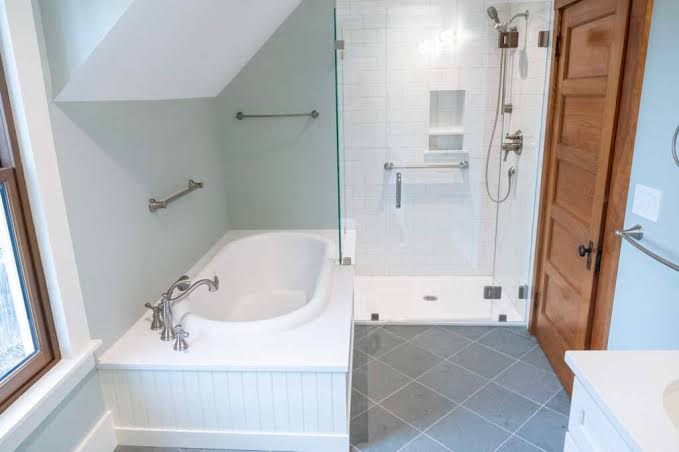
Bathroom flooring has an awkward job. It needs to work around regular splashes and damp feet while still looking considered beside tiles, paint, storage and the rest of the room. A finish that looks convincing on a sample can feel very different once it covers the whole floor.
That is why choosing bathroom flooring is rarely just a question of colour. Water resistance, cleaning, fitting and the condition of the existing floor all matter. The aim is to find a surface that suits the way the bathroom is actually used without turning every small splash into something to worry about.To ensure a seamless, watertight finish that stands up to daily humidity and moisture, hiring experienced Vinyl Flooring Fitters makes all the difference during installation.
What Is the Best Flooring for a Bathroom?
There is no single material that suits every bathroom. A compact ensuite used by one person has different demands from a main bathroom used several times each morning, so it helps to start with the room rather than a list of flooring products.
Think about where water usually reaches the floor. Around a bath, shower or basin, regular splashes are part of normal use. If the bathroom is also used by children, wet footprints and towels left on the floor may be fairly common too. That makes suitability for bathroom use an important part of the specification rather than something to assume from appearance.
Maintenance deserves the same attention. A floor that needs a complicated routine may be less appealing once the novelty of a newly decorated bathroom has worn off. Before buying, check how the chosen product should be cleaned and whether there are any restrictions on the products or methods used.
Where LVT Fits Into the Decision
Luxury vinyl tile is worth considering when the look of timber, stone or tiles appeals but the room also needs a surface designed to cope with moisture. Waterproof LVT ranges are available for bathrooms, although the specification of the individual product should still be checked before ordering.
For homeowners choosing a bathroom floor with water resistance and straightforward maintenance in mind, Urmston Carpets offers LVT in wood, stone and tile-effect designs, with waterproof ranges intended for bathrooms.
The range of finishes also makes it easier to choose something that works with the rest of the home. A wood effect can pick up tones already used in a hallway or bedroom, while stone and tile effects can work with a more traditional bathroom scheme without introducing another completely different finish.
A larger sample can also give a better sense of the pattern, colour and texture before the floor is ordered.
Let the Rest of the Bathroom Guide the Finish
The floor is only one part of the bathroom, so it makes sense to choose it alongside the features that are staying. Wall tiles, sanitaryware, cabinets and paint colour all affect how a flooring finish looks once everything is together.
If the walls already carry a strong pattern, a quieter floor may give the room some breathing space. With plain walls and simple fittings, the floor can take on more visual interest without making the room feel busy.
Natural and artificial light matter too. A grey stone effect that appears fairly neutral under showroom lighting may look cooler in daylight, while warmer wood tones can change depending on the wall colour around them. Taking samples into the actual bathroom is more useful than trying to remember how the room looked while standing in a shop.
In a small bathroom, much of the floor may disappear beneath a bath, vanity unit or storage. Before choosing an elaborate pattern, consider how much of it will remain visible once the room is finished.
Check the Fitting Requirements Before Buying
A bathroom floor is not just the visible surface. What sits beneath it can affect both the installation and the finished appearance, particularly with products that need a smooth and properly prepared base.
If an old floor is being removed, take the opportunity to check the subfloor before ordering the replacement. Uneven sections, old repairs or other defects may need attention first. The preparation required depends on the flooring product and the existing surface, so product guidance and the fitter’s assessment are more useful than assuming every bathroom needs the same treatment.
The edges of the room deserve attention as well. Doorways, pipework, fixed units and bathroom fittings can all influence how the new floor is measured and fitted. If part of the bathroom is being replaced during the renovation, establish what will remain in position before final measurements are taken.
This is also the point to check the installation instructions for the exact LVT being considered. Different products can have different fitting requirements, even when the finished floors look similar.
Be Realistic About Cleaning and Daily Use
Bathrooms are cleaned regularly, so maintenance should be part of the buying decision rather than an afterthought. LVT is generally chosen partly for straightforward cleaning, but the manufacturer’s care instructions should still guide what is used on the finished floor.
The room itself matters too. Good bathroom ventilation helps deal with moisture produced by baths and showers and benefits the bathroom as a whole. Flooring designed for bathroom use should not be treated as a substitute for dealing with persistent condensation or another moisture problem.
It is also worth thinking about what happens during a normal morning rather than imagining the room freshly styled for a photograph. Wet feet, toiletries falling from shelves and people moving quickly between the bath and door are ordinary bathroom realities. A practical choice should feel manageable under those conditions rather than only looking impressive when the room is empty.
Choose the Floor as Part of the Whole Room
A bathroom renovation involves enough decisions without making the flooring more complicated than it needs to be. Start with suitability for the room, then narrow the options according to fitting requirements, maintenance and the finishes already around it.
Once those practical questions are settled, colour and pattern become easier to judge. A floor does not need to dominate the bathroom to make the room feel finished. Often the better choice is the one that sits comfortably beside the tiles, storage and sanitaryware while dealing quietly with everyday use.
That balance matters more than choosing the most dramatic surface on a sample board. The floor still has to work once the bathroom is being used every day, long after the renovation is finished.