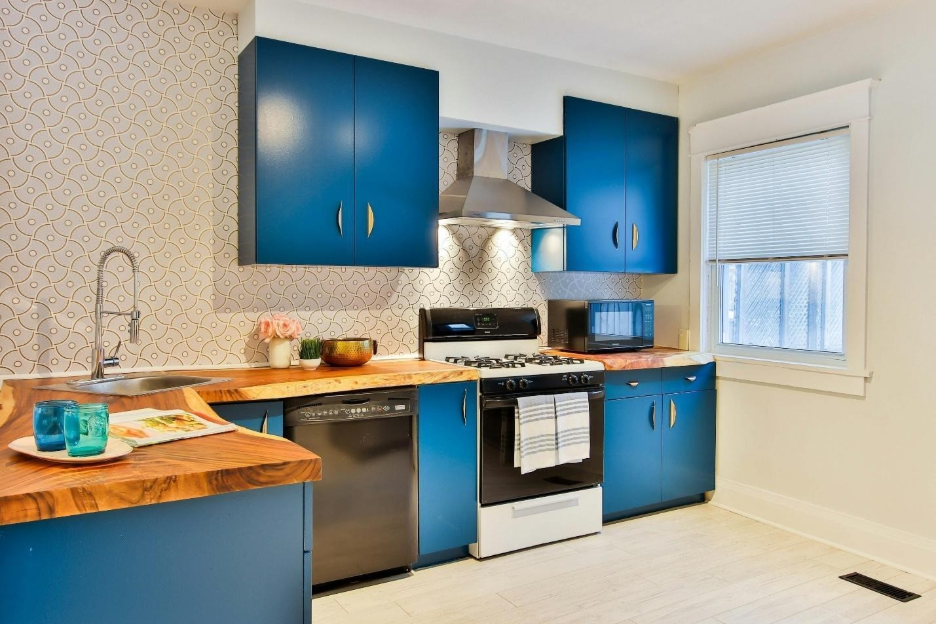
A kitchen can quickly lose its sense of cohesion when the cabinets look outdated, worn, or mismatched with the countertops, flooring, hardware, and appliances. Because cabinets cover a large portion of the room, an inconsistent color or finish can make even well-chosen design elements feel disconnected.
When this happens, homeowners may consider replacing the cabinets entirely or changing other kitchen features to make everything work together. However, a full renovation can be costly and unnecessary when the existing cabinets are still structurally sound and functional.
Cabinet painting offers a practical way to bring these elements together without replacing the cabinetry. By updating the cabinet color and finish to complement the surrounding features, homeowners can create a more balanced and intentional kitchen design while giving the space a refreshed appearance. Continue to learn more about how cabinet painting helps create a cohesive kitchen design.
-
Cabinets Set the Tone for the Whole Room
Since cabinets make up most of the surrounding walls in kitchens, their colours almost serve as a backdrop to everything else in the room. Hence, the right choice of colors will help tie together different aspects, which may seem disjointed, such as the stone countertop, tiled backsplash, and wooden floor.
Another reason why professional cabinet painting makes a huge difference is that it is one of those rare projects that affect all visible surfaces in the room, therefore creating a sense of coherence once everything is done.
Picking a shade that complements the house's undertones, rather than working against them, is often the crucial step in creating a truly beautiful kitchen.
-
Professional Prep Work Creates a Seamless Finish
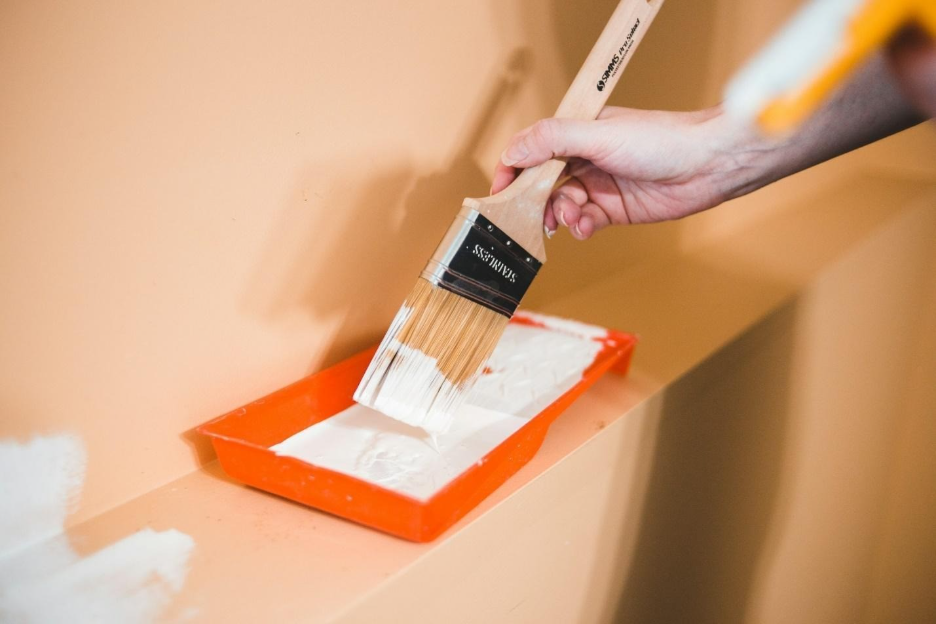
Cohesion depends on consistency, and consistency depends on proper preparation. A professional cabinet painting process typically starts with degreasing every surface to remove built-up cooking oils and grime, since skipping this step is one of the leading causes of premature coating failure. From there, cabinets are sanded by hand and machine to create an even surface, and any oak grain is filled so the final look reads smooth rather than textured.
This matters for cohesion because inconsistent texture or uneven sheen across doors, drawers, and cabinet boxes draws the eye and breaks the illusion of a unified surface. Careful prep is what allows the paint to sit uniformly across every panel.
-
Spray-Applied Coatings Deliver a Factory-Level Match
One of the major differences between a DIY paint job and a professional one lies in the process itself. Brush-on or roller-on paint will always leave some trace of texture, brush marks, lap marks, or even minor variations in the shade of paint.
Spraying, by contrast, applies an ultra-thin, even coat across every surface, which is why professional painters spray cabinet doors and drawers off-site in a controlled facility while cabinet boxes are sprayed on-site.
In this way, it becomes possible to get perfectly matching doors, drawers, and boxes after reinstallation, with all sides of each door being painted. The result is a factory-grade finish that feels intentional and consistent throughout the kitchen, rather than a collection of individually painted parts.
-
Durable Coatings Keep the Look Cohesive Over Time
A cohesive design only stays cohesive if the finish holds up. Cabinets located near sinks, stoves, and areas where people frequently interact are more likely to be exposed to water or oil, which can cause them to peel or turn yellow if the wrong coating is applied. Conversion varnish is considered one of the best coatings when it comes to cabinets because it does not get ruined by water and hand oils, the most widespread reasons why coatings fail, unlike water-based enamels that are used for simple DIY work.
Choosing a durable, professional-grade coating protects the investment and ensures the kitchen looks as unified five years from now as it did on installation day.
-
Hardware and Small Upgrades Tie the Design Together
Cabinet painting projects also open the door to small upgrades that reinforce a cohesive look. Soft-close hinges add a refined, quiet feel to everyday use. At the same time, updated cabinet doors in a shaker, modern, or custom profile can shift the kitchen's overall style without replacing the entire cabinet structure.
Reusing existing drawer slides where they still function well keeps the budget focused on visible, design-forward changes rather than hidden hardware that guests will never notice. Together, these details help the cabinets feel like a single, thoughtfully designed system rather than a mix of old and new components.
Final thoughts
Replacing cabinets entirely is expensive, disruptive, and often unnecessary if the existing boxes are structurally sound. Cabinet painting offers a more efficient path to the same end goal: a kitchen where every surface, from the cabinet doors to the hardware, feels like part of one cohesive design.
Instead of going through such an ordeal, you should consider painting your cabinets to achieve the same result: a complete redesign of your kitchen.
Once properly degreased, sanded, grained, filled, spray-painted, and coated, your cabinets will be transformed into the focal point of your kitchen.
For homeowners looking to refresh their kitchen without a full remodel, painting remains one of the most effective ways to bring color, texture, and style into alignment.