
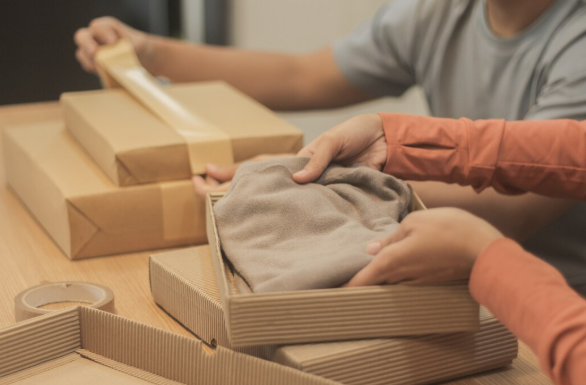
For a direct-to-consumer startup, packaging does more than protect a product. It becomes part of the customer experience from the moment an order arrives at the door. Unlike traditional retail brands, D2C companies have no physical store shelf where customers can interact with the product before buying it.
Good packaging can create a strong first impression, protect products during delivery, support brand recognition, and make customers more likely to share their purchases online. Poor packaging can have the opposite effect.
D2C startups should therefore treat packaging as a business decision rather than an afterthought. The right choice should match the product, customer expectations, shipping model, budget, and long-term brand goals.
Start With the Product and Its Requirements
The product should always guide the packaging decision. A fragile item needs stronger protection than a durable product. Food products may require materials that help maintain freshness and meet safety requirements. Cosmetics, electronics, clothing, and small accessories all have different packaging needs.
Start by asking how the product can be damaged during storage, handling, and shipping. Consider pressure, moisture, heat, vibration, dust, and repeated movement inside a shipping box.
Product dimensions also matter. Packaging should provide enough room for protection without leaving excessive empty space. A box that closely fits the product can reduce material use, lower shipping volume, and create a cleaner unboxing experience.
Choose Packaging Based on Your Target Customer
Packaging should reflect the people who buy the product. A startup selling premium skincare may want a refined and minimal presentation, while a children's product brand may benefit from brighter visuals and playful details.
Understanding customer expectations makes this decision easier. Younger online shoppers may pay attention to sustainability and social media presentation. Customers buying luxury products may expect high-quality materials and a polished unboxing experience. Practical buyers may care more about easy opening, compact packaging, and minimal waste.
Balance Protection, Cost, and Brand Experience
A startup must control costs, but choosing the cheapest packaging can become expensive over time. Weak packaging can lead to damaged orders, refunds, replacements, negative reviews, and lost customers.
At the same time, expensive packaging does not automatically create a better customer experience. A small product placed inside a huge rigid box with several unnecessary layers may look impressive at first, but customers can view it as wasteful.
The better approach is to find the point where protection, presentation, and cost work together. Compare material prices, production quantities, printing costs, storage requirements, and shipping expenses before making a decision.
Consider Sustainable Packaging Options
Sustainability has become an important consideration for many online shoppers. Customers increasingly notice how much material comes with their orders and whether they can recycle or reuse it.
D2C brands can respond by reducing unnecessary layers, choosing recyclable materials, using appropriately sized packaging, and avoiding designs that make recycling difficult. The goal should not simply be to place a sustainability claim on the package. The actual packaging choices should support the claim.
For food-focused brands, the choice becomes even more important because packaging may need to protect freshness, prevent leakage, and maintain product quality. Well-designed custom food packaging can combine product protection, brand presentation, and practical handling without adding unnecessary material.
Make Packaging Part of Your Brand Identity
A strong package should make it easier for customers to recognize the brand. Consistent colors, typography, logos, patterns, and messaging can create a visual connection between the package and other brand assets.
However, effective branding does not require covering every surface with graphics. In many cases, a simple design can communicate more clearly than a crowded package. The packaging should tell customers what the product is, who made it, and why the brand deserves their attention.
D2C brands should also consider the unboxing moment. Customers may photograph or record products for social media, especially when the presentation feels distinctive.
Select the Right Packaging Size and Structure
Packaging size affects more than appearance. It can influence manufacturing costs, warehouse space, shipping fees, product protection, and customer satisfaction.
Startups should measure the product carefully and identify the minimum space required for safe protection. If protective inserts are necessary, account for their dimensions before selecting the outer package.
For retail-style presentation, structural options such as custom tuck boxes can provide a practical combination of product presentation and easy assembly. The structure should match the product and the way customers receive it.
Think About Shipping and E-Commerce Logistics
A package that performs well in a store may not perform well during e-commerce delivery. Online orders can pass through several stages of sorting, transportation, loading, unloading, and last-mile delivery before reaching the customer.
This makes durability essential. Packaging should withstand normal shipping pressure without adding excessive weight or bulk.
D2C startups should also consider how packages look when they arrive. Torn, crushed, stained, or poorly sealed packaging can damage the customer's perception of the brand even if the product inside remains usable.
Test Packaging Before Launch
Never rely only on appearance or supplier specifications. Packaging should undergo practical testing before a large production order.
Place the actual product inside the package and handle it as a customer would. Open and close it several times. Check whether the product moves excessively inside the package. Test the package under realistic shipping conditions and inspect it after handling.
Testing may reveal problems before they become expensive. A small investment in samples and testing can prevent much higher costs after launch.
Conclusion
The best packaging choice can change as a D2C startup grows. A company may begin with small packaging orders and simple designs, then move toward more specialized structures and larger production runs as demand becomes predictable. This makes flexibility important during the early stages.