
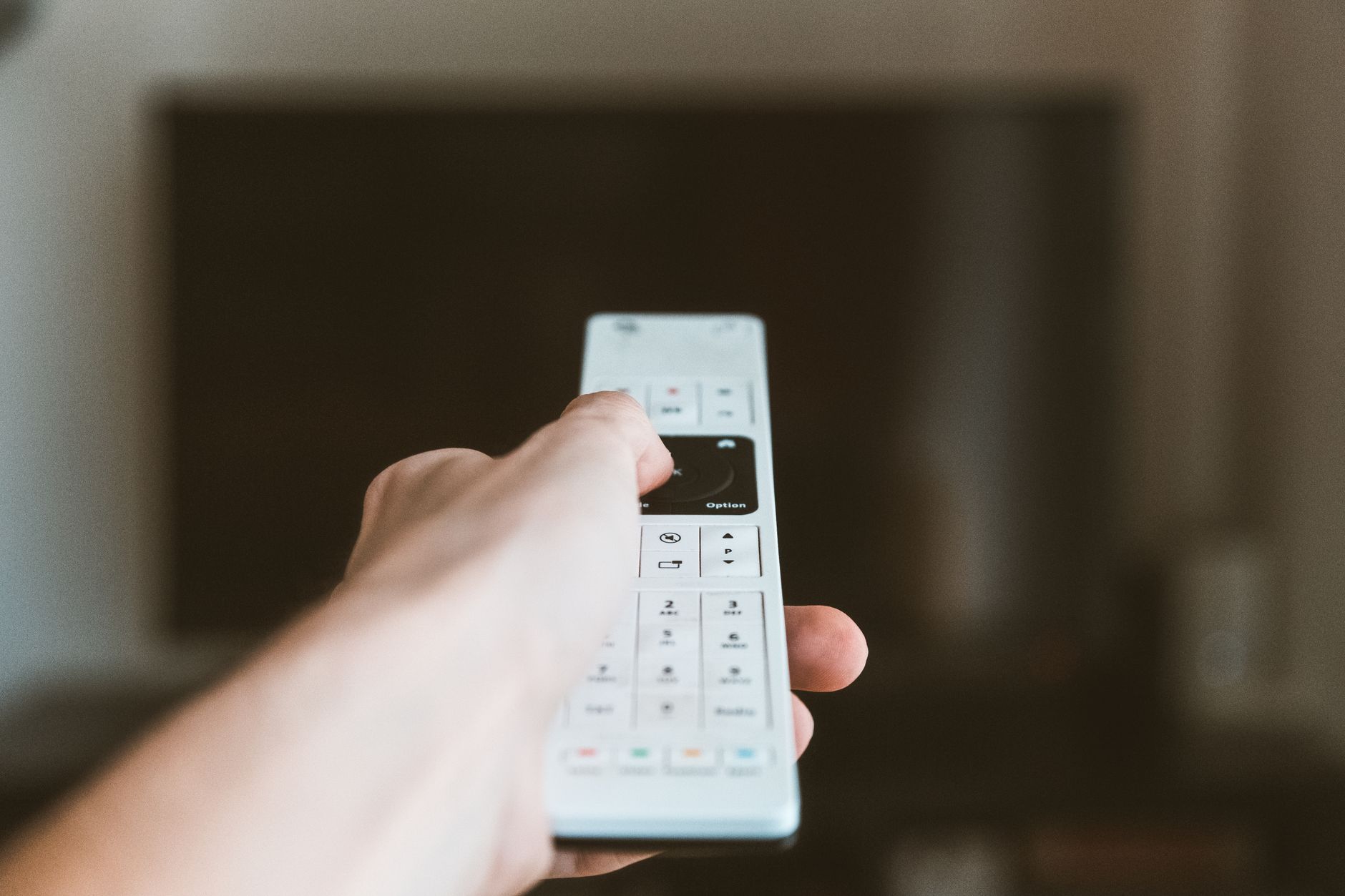
Modern devices are becoming smarter, but smart technology is only useful when people can control it easily. This is where human-machine interface (HMI) technology plays an important role. HMI allows people to interact with machines through buttons, touch controls, switches, displays, and other input methods. From household appliances to industrial equipment, these interfaces help make complex systems easier to operate. HMI solutions can support this goal by providing practical ways for people to communicate with electronic devices. As technology continues to develop, simple and reliable interfaces are becoming an important part of modern device design.
What Is HMI Technology?
HMI stands for human-machine interface. In simple terms, it is the part of a machine or electronic device that allows a person to control it. A button on a washing machine, a touch panel on a medical device, or a control panel on industrial equipment can all be examples of an HMI. The main purpose is to create a clear connection between the person and the machine. A good interface should make controls easy to understand and simple to use. When users can quickly understand what each button or control does, they can operate a device with less effort and fewer mistakes.
Why Simple Controls Matter
Modern devices often include many features. However, having more features does not always make a device easier to use. If controls are confusing, users may struggle to find the function they need. HMI technology helps solve this problem by placing important controls in a clear and organized way. Well-designed interfaces can also reduce the time needed to learn how a device works. This is especially useful for equipment that must be operated quickly or regularly. Simple controls can improve the overall experience while also helping users operate machines more confidently.
The Growing Role of Touch Controls
Touch technology has changed the way people interact with electronic products. Smartphones and tablets made touchscreens common, and similar ideas are now appearing in many other types of equipment. Touch controls can provide a clean surface and allow several functions to be placed in one interface. They can also make modern products look simple and organized. However, touch technology is not the only option. Physical buttons, switches, keypads, and other controls can still be useful when clear feedback and dependable operation are important.
Better Interfaces for Modern Equipment
A well-designed interface does more than simply turn a machine on or off. It can help users understand the status of equipment and choose the correct function. For example, a control panel may use different buttons for different tasks, while a touch interface can show information on a display. The right choice depends on the device, its environment, and the people who will operate it. This is why designers often consider factors such as durability, ease of use, size, cleaning requirements, and the amount of space available.
In many products, interactive control interface solutions can make device operation easier by giving users clear and direct controls. These interfaces can be designed for different products and working conditions. When the controls match the needs of the equipment, users can interact with the device in a more natural way. This approach is useful for products that need a simple control system without making the overall design unnecessarily complicated.
HMI in Different Industries
HMI technology is not limited to one type of product. It is used in many areas where people need to operate electronic equipment. Industrial machines may use control panels to manage different processes. Medical equipment can use specialized switches and interfaces for important functions. Consumer electronics may rely on touch controls and buttons for everyday use. Transportation systems can also use interfaces to help operators control different features. Each application has different needs, so the interface must be designed around the purpose of the equipment.
Designing for the User
Good HMI design starts by considering how people will use the device. Controls should be easy to find, understand, and operate. The size and position of controls can also affect the user experience. In some environments, operators may wear gloves or work with limited space. In other situations, equipment may need to handle frequent cleaning or regular use. These factors can influence which type of switch, button, keypad, or touch control is most suitable.
The Future of HMI Technology
HMI technology will continue to develop as electronic devices become more connected and advanced. Future interfaces may combine touch controls, physical switches, displays, sensors, and other technologies in new ways. However, the basic goal is likely to remain the same: making machines easier for people to understand and control. As devices gain more functions, clear interfaces will become even more important.
The Bottom Line
HMI technology creates an important link between people and machines. From simple buttons to advanced touch interfaces, these systems help make modern devices easier to operate. As technology continues to grow, effective interface design will remain essential.