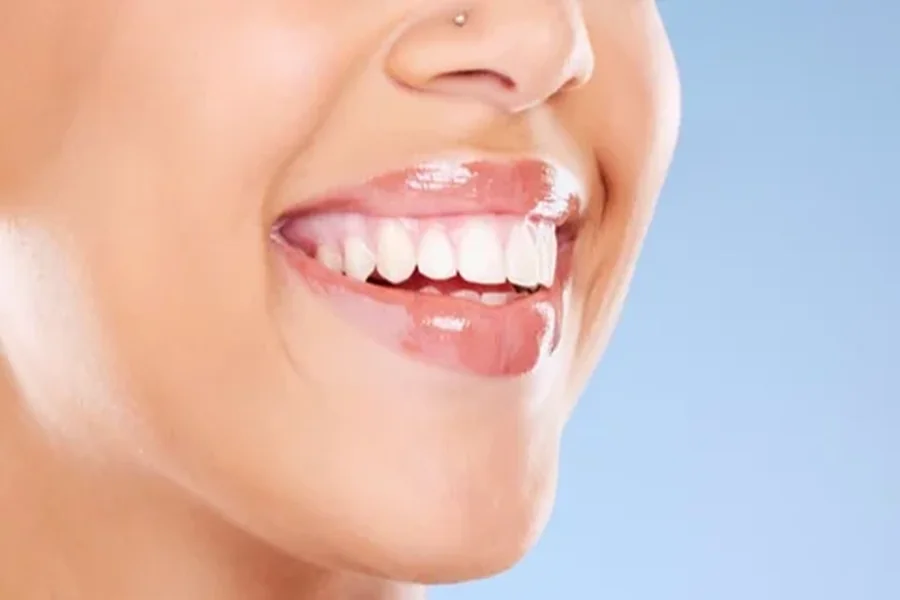
A whiter smile is one of the most requested cosmetic goals in dentistry, but the best path to get there varies from person to person. Sensitivity, existing dental work, stain type, and timing all influence which approach makes sense. Whether you’re considering an at-home kit or a professional treatment, understanding how whitening works—and what to expect—can help you get brighter results without unwanted surprises.
How Teeth Whitening Works
Most whitening methods rely on peroxide-based gels that lift or break apart stain molecules embedded in enamel. Surface stains from coffee, tea, red wine, or tobacco can often be removed or lightened with bleaching agents. Internal or “intrinsic” discoloration—such as that caused by certain medications or trauma—doesn’t respond as well and may need alternatives like bonding or veneers to change the tooth color you see.
Professional treatments use prescription-strength gels and carefully controlled application to brighten teeth efficiently while protecting your gums and soft tissues. If you want clinical oversight, shade tracking, and customized trays or in-office care, it may be worth exploring Professional Teeth Whitening in Abbotsford to understand what’s available and how it compares with store-bought options.
Comparing Whitening Options
Whitening toothpaste and polishing pastes help with surface stains using mild abrasives and chemical agents, but they won’t change the underlying tooth color. Over-the-counter strips and trays can lift color by a shade or two over several weeks, though fit varies and gel can sometimes leak onto gums, causing temporary sensitivity or irritation. Look for products with clear directions, reputable manufacturers, and the ADA Seal where available.
Professional take-home trays use custom-fit aligners and dentist-dispensed gel. The snug fit helps keep gel in contact with teeth and away from gums, improving comfort and consistency. In-office whitening uses higher-concentration gel applied by a clinician, often completing several application cycles in a single visit. While some systems use lights or heat to activate gel, the gel’s chemistry does most of the work; the main advantages of professional care are strength, precision, and monitoring.
Who Is (and Isn’t) a Good Candidate
Whitening works best for healthy teeth and gums with extrinsic stains from foods, drinks, or smoking. You’ll need a clean bill of oral health—cavities, cracked teeth, and untreated gum disease can worsen discomfort and should be addressed before whitening. Existing dental work such as crowns, veneers, fillings, and bridges does not lighten with bleach, so you may need a plan to replace or color-match restorations after whitening to avoid uneven shades.
Temporary sensitivity is the most common side effect, especially if you have gum recession, enamel wear, or exposed root surfaces. Using lower concentrations, spacing out sessions, adding desensitizing toothpaste, or applying fluoride or potassium nitrate gels can help. People with intrinsic stains (for example, from certain childhood antibiotics), developmental enamel defects, or deep gray discoloration may need alternatives beyond bleaching to meet their goals. If you’re pregnant or nursing, it’s generally recommended to postpone whitening and discuss timing with your clinician.
Setting Realistic Goals and Timelines
Think in terms of shade ranges rather than a single “perfect” white. Natural-looking results often sit a few shades lighter than your current color while still matching your skin tone and smile characteristics. If you’re whitening for an event, allow enough time: at-home professional trays may take one to three weeks, over-the-counter strips several weeks, and in-office whitening typically delivers a noticeable change in one visit with possible follow-up touch-ups. Building a schedule avoids rushing, which can increase sensitivity.
A professional cleaning before whitening removes plaque and tartar that block gel contact with enamel. Your provider can document your starting shade, discuss targets, and screen for issues that might limit results. If you plan cosmetic work afterward—such as bonding or veneers—complete whitening first and wait for your shade to stabilize so new restorations can be matched accurately.
Keeping Your Teeth Bright After Whitening
Whitening doesn’t stop new stains from forming. Early on, enamel may be temporarily more porous, so be mindful with dark foods and drinks for 24–48 hours after sessions. Over the long term, rinsing with water after coffee, tea, or red wine helps. Using a straw for iced beverages limits contact with front teeth. Good daily hygiene—brushing twice, cleaning between teeth daily, and periodic professional cleanings—maintains brightness and oral health.
Touch-ups are normal. For tray-based systems, brief refresher sessions every few months can help sustain results. For in-office whitening, ask how long to wait between treatments and whether a take-home kit is recommended for maintenance. If sensitivity pops up, pause and use a desensitizing toothpaste; many people can resume whitening comfortably after a short break.
Whitening can be a safe, predictable way to boost your smile when matched to your needs and supervised as appropriate. Start by clarifying your goals, health status, timeline, and tolerance for sensitivity. Then choose an approach—over-the-counter, professional take-home trays, or in-office care—that fits your comfort level and schedule. A brief consultation with a dental professional can help confirm candidacy, set realistic expectations, and map out maintenance so your brighter smile lasts.