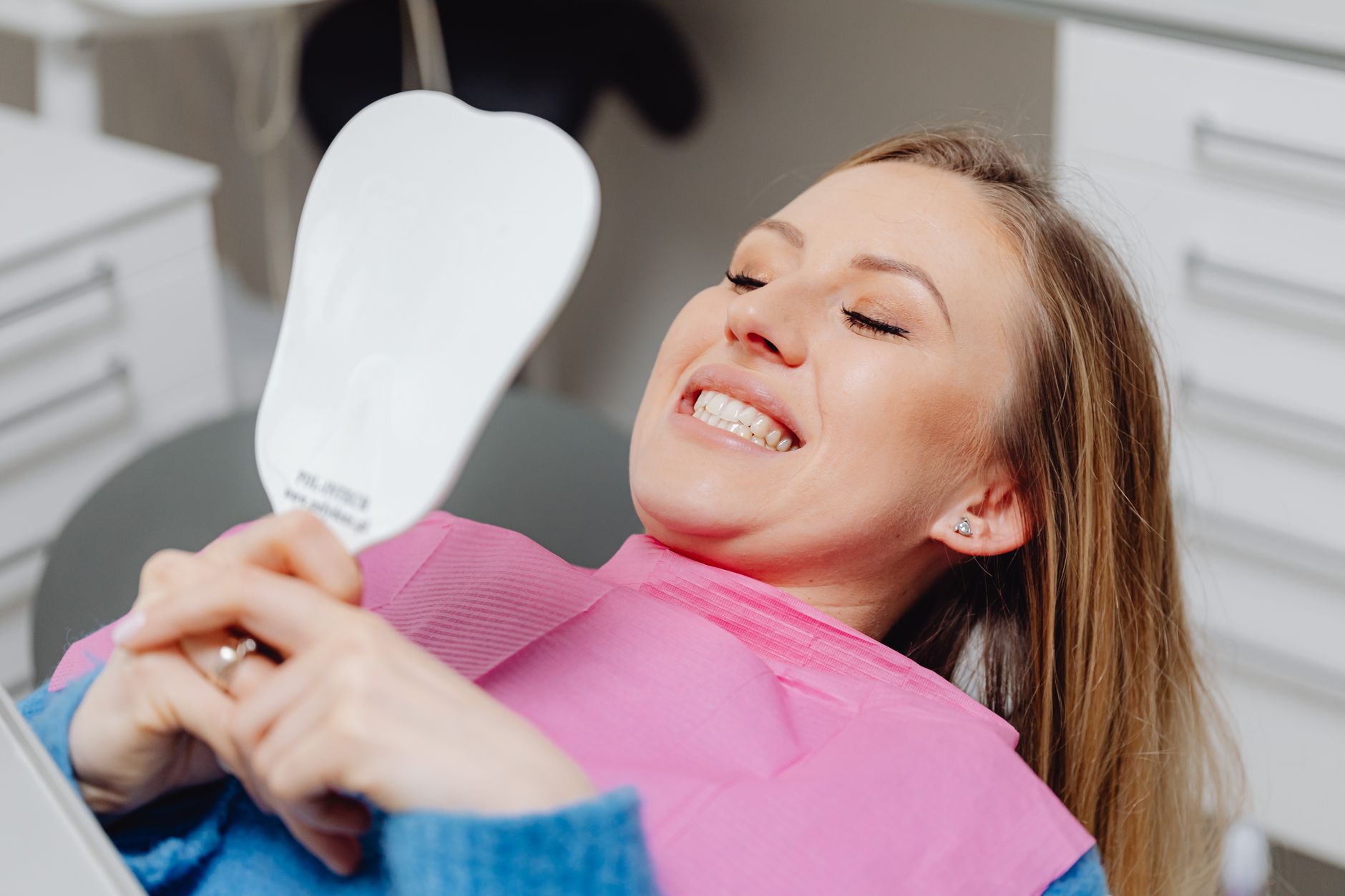
Nearly a third of adults never floss. Not rarely. Never. If you just winced a little, you already know which side of that number you're on.
Here's the good news buried under the guilt: a cleaning twice a year is not what keeps your mouth healthy. It's a checkpoint. The real work happens on the 363 days in between, and the routine that actually protects your teeth is smaller and cheaper than the one you've been avoiding. You don't need a drawer full of gadgets. You need two minutes, twice a day, done in a way that doesn't make you dread the bathroom sink.
This is the routine I'd hand to a friend who keeps meaning to get better about their teeth and keeps not doing it. It's built around what hygienists see fail most often, and it takes less time than scrolling your phone in bed.
Why the Six-Month Cleaning Is Not the Main Event
Think about what a cleaning actually does. A hygienist removes plaque and hardened tartar, checks your gums, and catches problems early. All valuable. But it's a snapshot, not a cure. The bacteria that cause decay and gum trouble rebuild within hours of brushing, and they don't take days off because you have an appointment in April.
According to the Centers for Disease Control and Prevention, cavities remain one of the most common chronic conditions across all age groups in the United States. That's not a scare tactic. It's a signal about where the leverage sits. If most people are getting cavities despite regular dental care, the gap isn't the dental chair. It's the sink.
So the question worth asking is not "am I going to my appointments?" It's "what am I doing on the days nobody's watching?"
What Actually Fails in a Home Routine
Most people don't have a dental hygiene problem. They have a consistency problem dressed up as one.
Here's the pattern I see described over and over, and I've lived it too: you brush in the morning because your breath would tell on you otherwise. At night, you're tired, the bed is right there, and brushing feels optional. So the one session that matters most, the one that clears a full day of eating and drinking before eight hours of dry mouth, is the one you skip.
The floss sits in the drawer. You use it the week before your cleaning, feel virtuous, then forget it exists. Your gums bleed a little during that week, you decide flossing is what makes them bleed, and you stop.
That last part is the trap, and it's worth naming plainly. Bleeding gums during the first days of flossing usually means your gums were already irritated, not that the floss is hurting them. A hygienist will tell you the same thing, and so will the American Dental Association, which lists flossing as part of a basic daily routine for a reason. Giving up right at the point your gums are adjusting is the single most common self-sabotage in dental care.
The Two-Minute Reset: A Routine You Can Actually Keep
Forget the perfect routine. Build the one you'll repeat on a Tuesday when you're exhausted and it's already eleven at night. Here's the version I'd pick if I had to choose just one, and I would pick this over an electric brush upgrade every single time.
- Nighttime is non-negotiable. Morning is a bonus. If you only manage one solid session, make it the one before bed. That's when bacteria have the whole night to work.
- Brush for a full two minutes, and mean it. Set a timer or use a brush that times itself. Most people stop around forty-five seconds and feel like they did a minute and a half.
- Angle the bristles at the gumline, not straight at the crowns. That's where plaque hides and where most brushing misses.
- Floss or use an interdental brush once, at night. Pick the tool you'll actually use. A water flosser counts for a lot of people who will never touch string floss.
- Rinse with water after anything acidic. Coffee, soda, wine, citrus. Give your enamel twenty minutes before you brush, or you're scrubbing softened enamel.
- Keep the tools visible. On the counter, not in a drawer. Out of sight really is out of routine.
The order matters less than you'd think. What matters is that brushing at night becomes automatic, the way locking the front door is. A hygienist can tell within seconds whether you're a nighttime brusher, and the difference shows up in your gum line long before it shows up on an X-ray.
One thing I'd skip entirely: the whitening strips you use the week before a big event while your gums are already inflamed. Fix the basics first. A bright smile on irritated gums is a bill waiting to happen.
When to Stop Guessing and Get a Real Look
Some signals shouldn't wait for your next scheduled visit. Bleeding that shows up every time you brush, not just after a flossing restart. A dull ache when you drink something cold. A tooth that feels different when you bite down. Swelling anywhere along the jaw.
None of those are emergencies in the dramatic sense, but they're the kind of thing that's cheap to address early and expensive to address late. If you're in a smaller town, this is the part where geography starts to matter. Finding dentists in Rolla, MO, who take the time to walk you through what they see, rather than rushing you out the door, is worth more than a slightly more convenient parking spot. A practice that explains the "why" behind a recommendation is a practice that'll catch things before they turn into a root canal.
For general guidance on what counts as routine versus what deserves a call, MouthHealthy is a solid starting point. It's run by the American Dental Association and written for people, not clinicians, which is exactly what you want at eleven at night when something feels off.
The Habit Stack That Makes It Stick
You already have a stack of habits you never think about. You lock the door. You plug in your phone. You set the alarm. Adding one more is easier when you attach it to something that already happens without your consent.
Try this: the toothbrush goes in before the phone goes on the charger. Not before bed. Before the charger. It's a small thing, but it turns an intention into a sequence, and sequences are what survive a bad week.
If you have kids, this is the version that works on them too. They don't brush because you told them to. They brush because it's what happens after pajamas and before the story. Same mechanism, different audience.
And if you're the person who's been meaning to get back on track for a while now, here's the honest version: you don't need a fresh start, a new toothbrush, or a better plan. You need one good night. Brush, floss or water-pick, rinse with water, done. Then do it again tomorrow.
What's the one part of your routine you already know you're skipping? Name it, fix that one thing this week, and let the rest follow. Your next cleaning will tell the story for you.