
Most outdoor weekends fail at the planning stage, not on the trail. You drive two hours, the campsite is packed, the hike wrecks your legs, and you spend Sunday recovering instead of enjoying it. That’s not a gear problem. That’s a planning problem.
The good news is the fix is simple and repeatable. This article walks you through a three-part framework for planning outdoor adventure weekends that actually deliver: the right destination for your group, real recovery built into the schedule, and a packing strategy that covers what most checklists leave out.
Why the Outdoor Weekend Is Having Its Moment Right Now
Outdoor recreation isn’t a niche hobby anymore. According to the U.S. Bureau of Economic Analysis, outdoor recreation accounted for 2.4% of the nation’s GDP in 2024, representing $696.7 billion in value added to the economy. That number has climbed every single year since 2021. People are spending real money on real trips into nature, and they’re doing it more often.
Part of that is a genuine shift in how Americans want to spend their limited free time. A full week off feels harder to justify. A Friday afternoon departure and a Sunday return? That’s doable almost any month of the year. The two-night outdoor escape has become the modern version of a proper vacation for a growing slice of the population.
If you’re in that group, the smartest move is treating weekend trips as a repeatable system, not a one-off scramble.
The 3R Weekend Formula
Every outdoor weekend worth repeating follows the same basic structure: Reach, Recharge, Return.
Reach is everything before you arrive. It’s the destination research, the drive logistics, the site booking, and the activity planning. Most people start and stop here, which is exactly the mistake.
Recharge is the actual experience. This is the hiking, the campfire, the morning coffee with a view, the cold water swimming. It also includes the intentional rest between activities, which most itineraries skip entirely.
Return is where amateurs leave money on the table. A good return plan means you’re not wrecked on Monday. It means packing the night before, building in a proper meal stop, and doing a 20-minute stretch before the drive home. You’ll actually want to go again next month instead of dreading it.
The Recharge phase is the one most people over-schedule. Cramming four hikes, a kayak rental, and a brewery stop into 36 hours sounds exciting in theory. In practice, you’re exhausted by noon on Saturday and grumpy by Sunday morning. Pick two anchor activities and leave everything else as optional.
Choosing Your Destination Without Overcomplicating It
The single biggest mistake in destination selection is confusing popular with good. Popular means crowds, limited parking, and trailheads that require a reservation window opening at 6 a.m. six months in advance. That’s not a weekend adventure. That’s logistics anxiety.
A better filter: choose a destination within a two-hour drive that sits adjacent to a well-known park or forest rather than inside it. You get the same landscape with a fraction of the foot traffic. The views are just as real.
The National Park Service set a visitation record in 2024, logging 331.9 million recreation visits, and according to USAFacts, those visitors spent an estimated $29.0 billion in gateway communities near the parks. That spending tells you where the crowds are going. It also tells you where to find the quieter alternatives: the state parks, national forest land, and BLM-managed areas that sit just outside the main park boundaries and rarely require advance reservations.
For mountain destinations specifically, the elevation of your basecamp matters more than most planning guides admit. A camp at 7,500 feet means shorter, more accessible summit hikes and more manageable weather windows than starting at 4,000 feet and trying to reach 13,000.
| Destination Type | Best Season | Crowd Level | Recovery Access | Advance Booking Needed |
| National Park interior | Fall, early spring | High to extreme | Limited on-site | Yes, months ahead |
| Adjacent national forest | Late spring to fall | Low to moderate | Rivers, alpine lakes | Rarely |
| BLM desert canyon land | Spring and fall | Low | Natural pools, springs | Almost never |
| Mountain lake basin | Summer | Moderate | Cold water access | Sometimes |
Recovery Is the Section Every Itinerary Skips
Here’s what separates a good outdoor weekend from a great one: you actually feel better when you get home than when you left. That means building recovery into your plan, not treating it as dead time.
The fastest-growing segment of the travel industry right now is built around this exact idea. Wellness tourism was valued at $990.4 billion in 2025 and is projected to reach $2.4 trillion by 2035, according to Grand View Research, growing at a CAGR of 9.3% over that period. Travelers are no longer willing to come home more exhausted than they left.
For an outdoor weekend, recovery access means different things depending on where you go. Mountain lake basins offer cold water immersion after a long climb. Hot spring areas let you alternate heat and cold. Desert destinations often have natural rock pools fed by groundwater.
The Adventure Travel Trade Association’s 2025 annual report, covering data from operators across six languages globally, identified hiking and trekking as the top adventure activities while flagging culinary experiences and wellness as the fastest-emerging supplementary activities in the sector.
That shift in what travelers want is showing up everywhere, including in how specific communities are building out their recreation infrastructure. The interest in contrast therapy, specifically moving between strenuous outdoor activity and active cold recovery, has grown significantly. If you’re planning a trip through the Mountain West, researching cold plunge in utah options is worth adding to your pre-trip checklist, since a session before the long drive home can make the difference between feeling recovered and feeling wrecked.
The practical approach is to schedule your heaviest activity on Saturday morning, build in a two-hour recovery window mid-afternoon (water, food, rest), and keep Sunday morning light. That rhythm is repeatable every single trip without burning yourself out.
What to Actually Pack (And What to Leave at Home)
Most weekend packing lists are bloated. You don’t need twelve layers, a cast iron skillet, and a portable espresso machine for a 48-hour trip. You need a short list of things you’ll absolutely miss if they’re not there.
These five items belong on every outdoor adventure weekend kit, no exceptions:
- A real headlamp with fresh batteries. Phone flashlights die. Headlamps don’t argue with you when you need both hands.
- A packable down layer. Mountain temperatures drop fast after sunset, even in summer. One compressible jacket solves the problem completely.
- Electrolyte packets. Altitude and exertion deplete you faster than you expect. Water alone isn’t always enough.
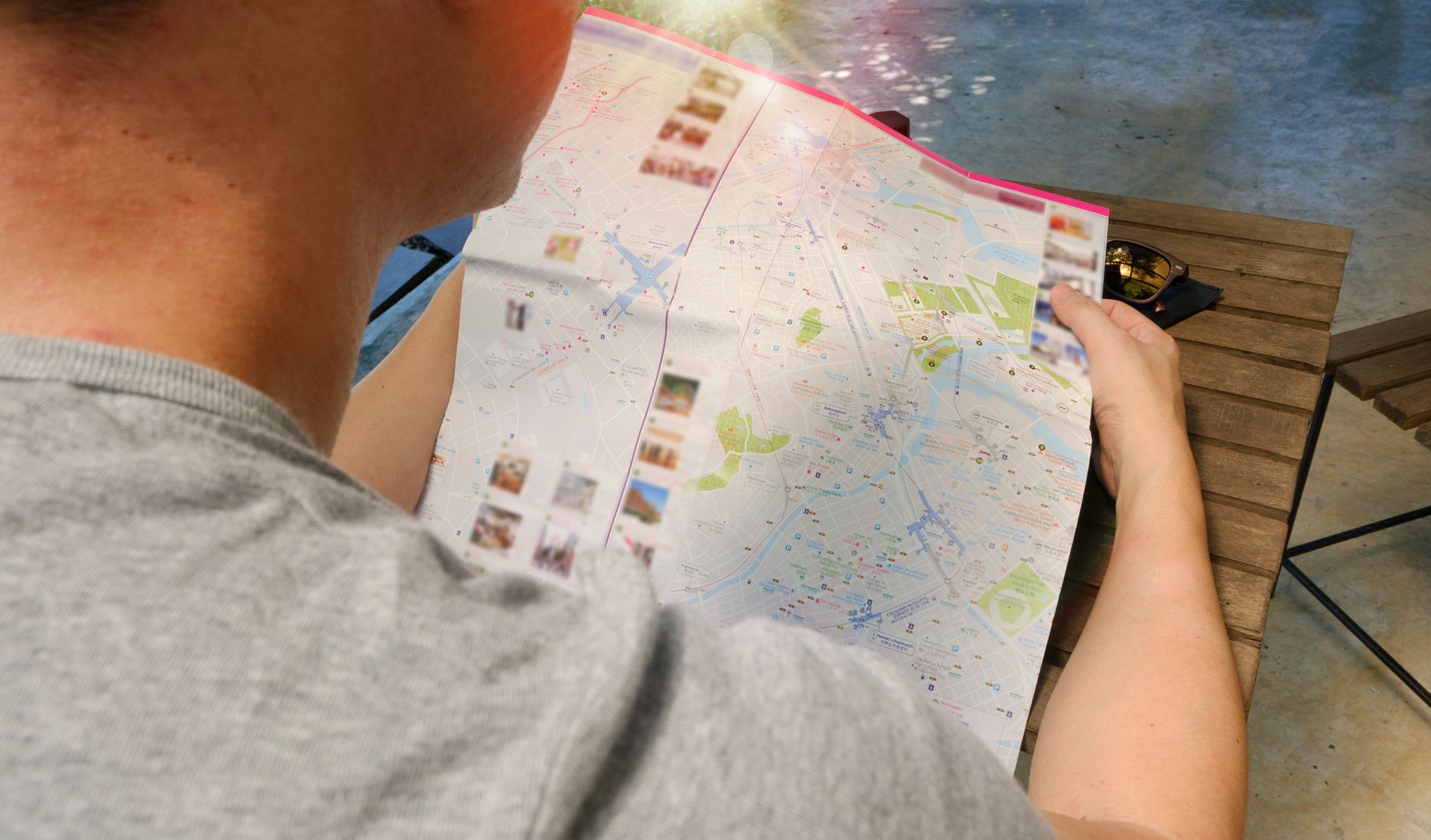
- A printed or downloaded offline map. Cell service is unreliable in most genuinely good outdoor destinations. Plan for this before you leave.
- Water shoes or sturdy sandals. River crossings, alpine lake entries, and natural pools are all more enjoyable and much safer with proper foot coverage.
Leave the extra gadgets home. Your phone will track the hike. Your sleeping bag rating matters more than its brand. The best gear for an outdoor weekend is gear you’ve already used at least once.
Make the Second Trip Easier Than the First
The best outdoor weekenders treat every trip as a data-gathering exercise. At the end of each trip, spend ten minutes writing down what you’d change: the campsite that was too close to the road, the hike that was two miles longer than the app said, the trailhead parking lot that fills by 7 a.m. That note is worth more than any gear upgrade.
Build your destination shortlist over time. Return to places that worked. Skip the ones that didn’t. The point isn’t novelty on every trip. The point is a reliable formula you can execute with minimal friction, leaving more energy for the actual experience.
What’s one thing from your last outdoor weekend that you’d do completely differently?