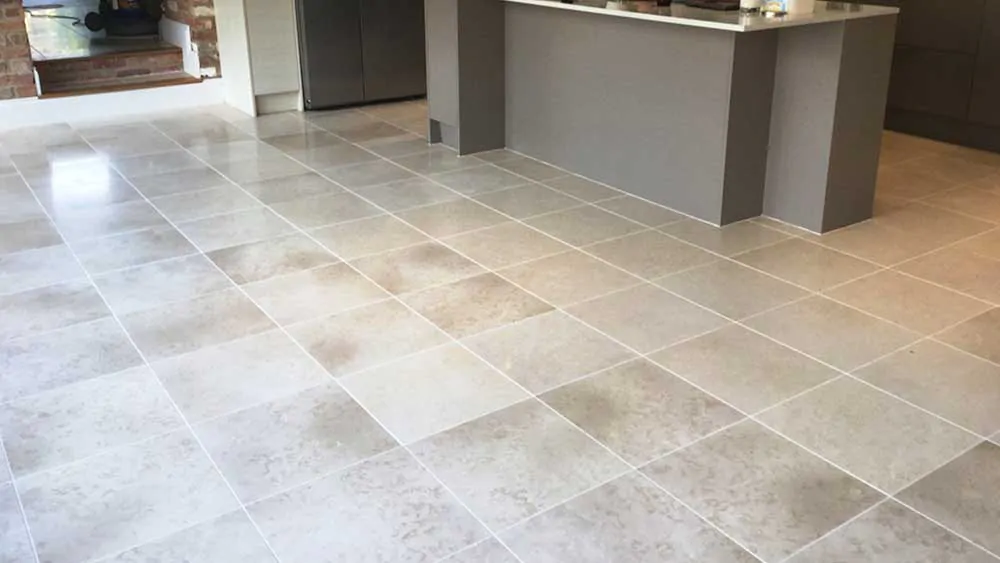
Choosing the right flooring material is a pivotal decision in home improvement and interior design. The durability of a tile can significantly impact its longevity and maintenance requirements. Among the popular options, Limestone Floor Tile and porcelain tile are frequently compared for their aesthetic appeal and durability. Homeowners often question which material will withstand the test of time and foot traffic. This article will delve into the characteristics of both limestone and porcelain tiles, analyze their durability, and assess their cost-effectiveness in terms of installation and maintenance.
Limestone Floor Tile: Characteristics and Properties
Limestone is a natural stone that is renowned for its subtle color variations and natural veining, which can enhance the aesthetic appeal of any interior space. As a result, it is often featured in mood boards and conceptual renderings for luxury home projects. However, its porous nature requires consideration of its placement and maintenance. Limestone tiles are softer compared to other stone tiles, which can make them susceptible to scratching and chipping if not properly maintained. Despite this, they are favored for projects where a natural, classic look is desired. To achieve this look, using Limestone Floor Tile can be ideal.
The durability of limestone tiles is often supported by their use in areas with less foot traffic or where an ergonomic assessment of the space deems high durability unnecessary. Additionally, limestone can be sealed to enhance its resistance to moisture, which is a crucial factor in maintaining its longevity. Selecting limestone tiles from a Sustainable Materials Index ensures that the tiles are sourced responsibly, a factor increasingly important in LEED Certification considerations.
Porcelain Tile: Characteristics and Properties
Porcelain tiles are known for their strength and versatility. Made from highly refined clay and fired at higher temperatures than ceramic tiles, porcelain is less porous and more resistant to water and stains. This makes it an ideal choice for high-traffic areas and spaces that require stringent zoning regulations compliance, such as kitchens and bathrooms. The application of color theory in porcelain tile design allows for a wide range of aesthetic possibilities, making them suitable for various interior design styles.
Porcelain tiles are often incorporated into schematic design phases due to their durability and ease of incorporation into BIM (Building Information Modeling) systems. The hardscape properties of porcelain mean it can withstand heavy use without showing wear, making it a practical choice for both residential and commercial settings. Moreover, porcelain tiles require minimal maintenance, often needing only routine cleaning to maintain their appearance.
Comparative Analysis of Durability
When comparing the durability of limestone and porcelain tiles, porcelain generally comes out ahead due to its hardness and water resistance. Porcelain’s ability to withstand high foot traffic and resist scratching makes it a favorable option for areas such as entryways and kitchens. In contrast, limestone, while beautiful, is better suited for areas with lighter use unless regular maintenance is a priority.
A noteworthy aspect is that porcelain tiles can mimic the look of natural stone, including limestone, providing the aesthetic without the associated maintenance concerns. The Aesthetic Appeal Ratio often favors porcelain in settings where both durability and design versatility are critical. For instance, a recent study from SFGate highlighted porcelain’s superior performance in high-traffic environments compared to natural stone tiles.
For those interested in natural stone, Limestone Floor Tile offers a timeless appeal with a natural finish, though it does require sealing and regular care to maintain its beauty. The choice between these materials ultimately depends on the specific needs of the space and the desired balance between aesthetics and functionality.
Cost-Effectiveness and Maintenance Considerations
From a cost perspective, porcelain tiles are often more affordable in the long run due to their durability and low maintenance requirements. While the initial cost of porcelain can be higher than that of limestone, the reduced need for ongoing upkeep can offset this over time. Limestone, on the other hand, may require more frequent resealing and repair, which can add to its lifetime cost.
When considering maintenance, porcelain’s resistance to moisture and stains means fewer products are needed for cleaning, and the tiles are less likely to require replacement. Meanwhile, limestone’s porous nature demands careful cleaning and periodic sealing to prevent damage. The cost-effectiveness of each tile type is influenced by these maintenance requirements, as well as the installation process, which can be more intricate for natural stone tiles due to their variable thickness and natural imperfections.
Conclusion
The decision between Limestone Floor Tile and porcelain tile hinges on the specific needs of the project and the desired balance between natural beauty and practical durability. Porcelain tiles offer superior durability and ease of maintenance, making them a practical choice for high-traffic areas. Meanwhile, limestone provides a natural aesthetic that can add timeless elegance to any space but may require more care. For those prioritizing a natural look with manageable maintenance, limestone remains an attractive option. Ultimately, understanding the characteristics and maintenance needs of each material will guide homeowners in making an informed decision that aligns with their interior design goals.