Choosing the right tile for your home can be a daunting task, especially when durability is a top concern. Understanding the differences between Marble Pattern Tile and Porcelain Tile is crucial for making an informed decision. Whether you’re looking to enhance your living space with a stunning focal point or seeking a solution that withstands high foot traffic, this article will guide you through the aesthetic appeal, strength, and maintenance requirements of both tile types. We’ll explore how these tiles perform in various settings and provide insights into their long-term benefits.
Marble Pattern Tile: Aesthetic Appeal and Characteristics
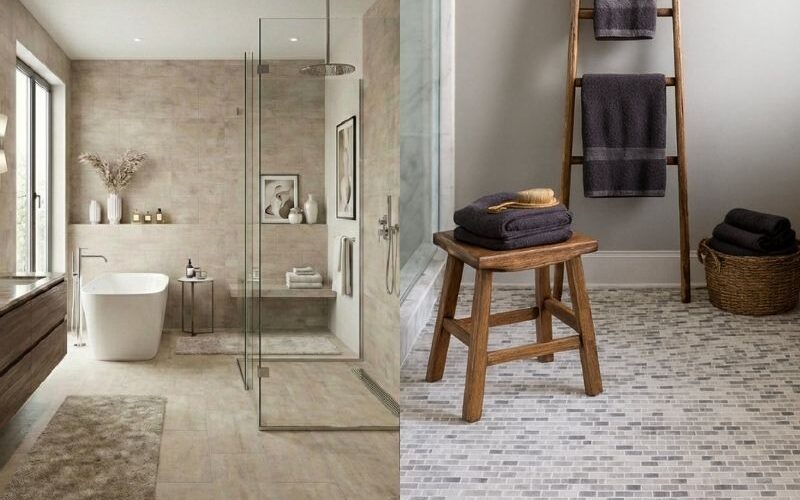
Marble Pattern Tile is renowned for its elegant appearance, often serving as a prominent focal point in interior design. This type of tile mimics the luxurious look of natural marble without the hefty price tag associated with authentic stone. It is commonly used in spaces where aesthetics are a priority, such as living rooms and entryways. Marble Pattern Tile is available in a variety of colors and patterns, allowing designers to create intricate mood boards that set the tone for the overall space.
However, it’s important to note that Marble Pattern Tile is more susceptible to scratches and stains compared to Porcelain Tile. While it offers significant visual appeal, it requires careful consideration of placement and maintenance. Regular cleaning and sealing are imperative to preserve its beauty and extend its lifespan. Incorporating sustainable materials for sealants can further enhance its durability, aligning with modern eco-friendly design practices.
For individuals interested in enhancing their home’s aesthetic appeal, Marble Pattern Tile provides an excellent option. Explore more about Marble Pattern Tile at Marble Pattern Tile for a comprehensive selection.
Porcelain Tile: Strength and Versatility in Design
Porcelain Tile is celebrated for its strength and versatility, making it ideal for high-traffic areas like kitchens and bathrooms. Known for its dense composition, Porcelain Tile is resistant to water, stains, and wear, making it a popular choice for both residential and commercial settings. This durability is achieved through advanced manufacturing processes that involve firing the tiles at high temperatures, resulting in an extremely hard surface.
The versatility of Porcelain Tile extends to its design options. It can be crafted to mimic various textures and patterns, including wood and stone, offering endless possibilities for creative space planning. Designers often use CAD software to create detailed renderings of spaces utilizing Porcelain Tile, ensuring that the tile complements the overall design brief.
Moreover, Porcelain Tile’s ability to withstand environmental stressors, such as temperature fluctuations, makes it a reliable choice for both indoor and outdoor applications. Recent studies from Architectural Digest confirm its effectiveness in diverse climates.
Comparative Analysis of Durability Between Marble and Porcelain Tiles
When it comes to durability, Porcelain Tile generally outperforms Marble Pattern Tile. Its dense nature and resistance to moisture make it less prone to damage over time. In contrast, Marble Pattern Tile requires more maintenance due to its porous surface, which can absorb stains and is susceptible to scratching if not properly cared for.
Porcelain Tile’s durability is further supported by its ability to handle the stress of heavy foot traffic and impact, making it a preferred choice for commercial spaces. In contrast, while Marble Pattern Tile offers high aesthetic value, its longevity is dependent on careful maintenance practices, including regular sealing and cleaning with gentle products.
For homeowners prioritizing durability, Porcelain Tile is often recommended due to its lower maintenance needs and higher resistance to wear. This comparative analysis highlights the importance of site analysis when selecting tiles, considering factors such as usage and environmental conditions.
Factors Influencing Tile Longevity and Maintenance Requirements
Several factors influence the longevity and maintenance requirements of tiles, including the type of tile, its placement, and the conditions it is exposed to. Marble Pattern Tile requires more frequent maintenance, such as sealing and cleaning, especially in areas with high moisture exposure. Using construction documents that outline cleaning routines can help maintain its shine and prevent damage.
Porcelain Tile, on the other hand, is less demanding when it comes to maintenance. Its low porosity makes it resistant to staining, and it usually only requires regular cleaning with standard household products. Additionally, its durability can be enhanced with acoustic treatment in spaces where sound dampening is necessary, providing a dual benefit of durability and functionality.
Choosing the right tile also involves understanding the impact of color theory on space. Lighter tiles can make a room look larger, while darker tiles can add warmth. The choice between Marble Pattern Tile and Porcelain Tile should also consider the aesthetic goals and practical needs of the space.
Conclusion
Both Marble Pattern Tile and Porcelain Tile offer unique benefits in interior design and home improvement. While Marble Pattern Tile provides unmatched aesthetic appeal, Porcelain Tile stands out for its durability and low maintenance. The choice between the two should be guided by the specific needs of the space and the desired balance between beauty and functionality. Homeowners looking for a durable solution that complements their design vision can benefit from understanding these key differences.