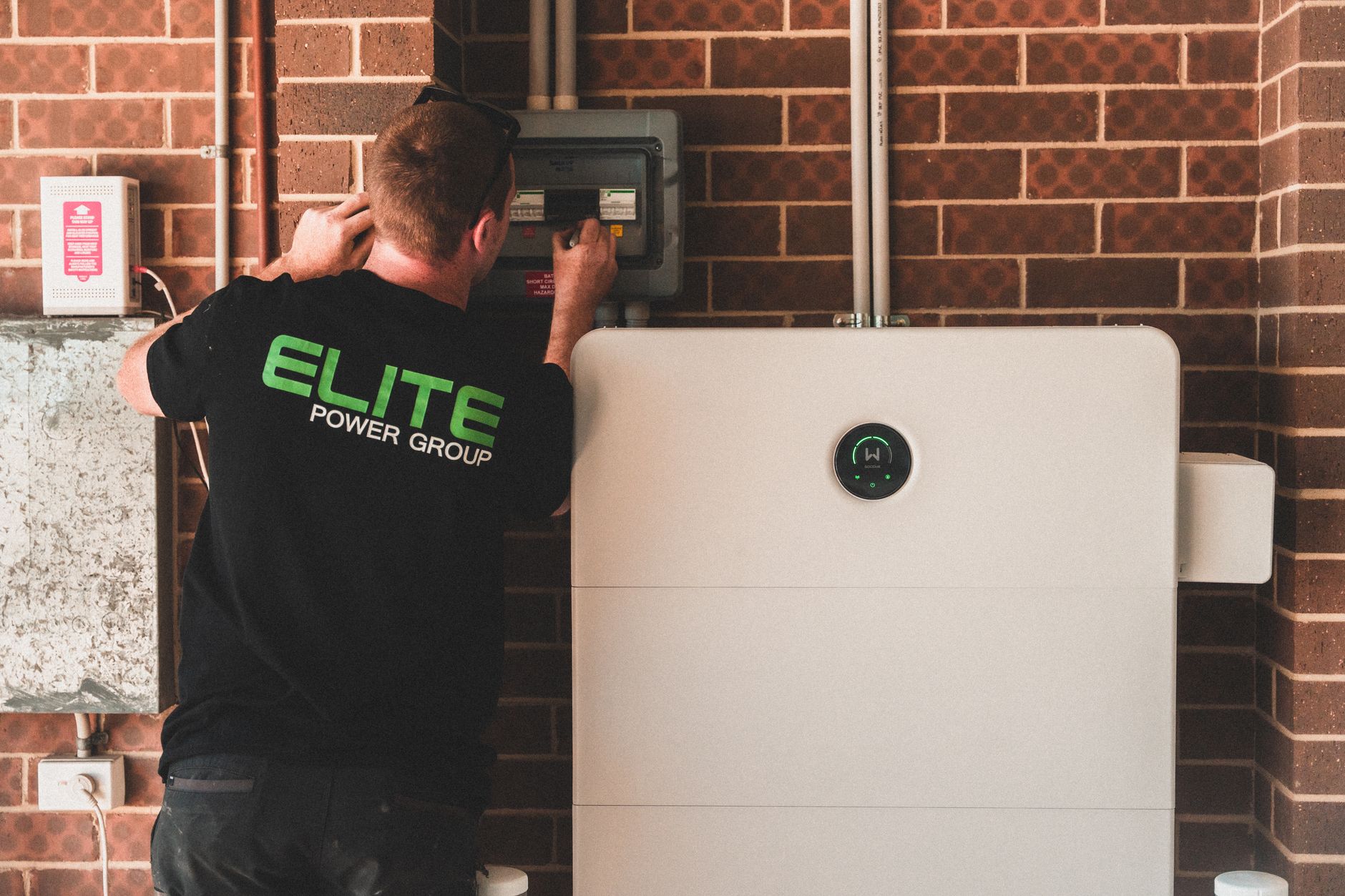
In the quest for sustainable energy use and improved efficiency, home battery storage systems have become increasingly important for residential properties. These systems offer an effective means to store excess energy generated by renewable sources, such as solar panels, ensuring that valuable energy is not wasted. Proper implementation of battery storage can lead to substantial cost savings, increased energy independence, and a reduced carbon footprint.
Understanding Home Battery Storage
Home battery storage refers to the use of rechargeable batteries to store electricity generated onsite, typically by solar panels. Instead of sending surplus electricity back to the grid, it is stored in batteries for later use. This stored energy can be accessed during periods of low generation or peak demand, providing a reliable power supply and decreasing reliance on external electricity providers.
Benefits of Home Battery Storage Systems
Installing a home battery storage system can provide numerous benefits to property owners. These advantages include enhanced energy security, increased utilisation of solar generation, and potential financial savings.
One of the primary benefits is the ability to use stored energy during power outages or periods when solar generation is unavailable, such as at night or during cloudy conditions. This ensures continuity of electricity supply, which is particularly valuable in areas with unreliable grid power.
Additionally, home battery storage helps optimise the use of solar energy by storing surplus power that would otherwise be exported to the grid at low rates. By shifting the time of consumption of this energy within the home, users can minimise electricity bills and maximise return on investment in solar installations.
How Home Battery Storage Systems Operate
The operation of home battery storage involves several key components including the solar panels, a battery unit, a charge controller, and an inverter. Solar panels generate direct current (DC) electricity, which either powers the home immediately, charges the battery, or supplies excess energy to the grid.
The charge controller manages the power flow and ensures the battery is charged safely and efficiently. The inverter converts stored DC power into alternating current (AC), which is compatible with household appliances.
Types of Batteries Used in Home Storage
The most common batteries used in residential battery storage are lithium-ion and lead-acid batteries. Lithium-ion batteries have become the preferred choice due to their higher energy density, longer lifespan, and greater efficiency compared to lead-acid alternatives.
Although lithium-ion batteries typically have a higher upfront cost, their durability and performance provide better value over time. Lead-acid batteries can be suitable for certain applications but often require more maintenance and have shorter operational life.
Factors Affecting Battery Storage Efficiency
Several factors influence the efficiency of home battery storage systems, from battery capacity to environmental conditions.
Battery capacity defines how much energy can be stored and subsequently utilised. Matching battery capacity to household energy requirements is crucial to avoid under- or over-sizing the system. An appropriately sized battery ensures maximum utilisation without wasted resources.
Environmental conditions such as temperature also affect battery performance. Extreme heat or cold can reduce battery efficiency and longevity. Proper installation with temperature regulation or ventilation can mitigate these effects.
Moreover, the integration and compatibility between solar panels, inverters, and batteries impact overall system efficiency. Using components from reputable manufacturers and ensuring correct installation enhances system reliability.
Financial Considerations and Incentives
While the adoption of battery storage systems entails an initial investment, long-term financial benefits often justify the expenditure. By maximising self-consumption of solar energy and reducing grid imports during peak pricing periods, homeowners can achieve meaningful electricity bill reductions.
Furthermore, some regions offer incentives, rebates, or subsidies to encourage the implementation of energy storage solutions. Accessing these financial aids can significantly reduce upfront costs and accelerate system payback periods.
Combining Battery Storage with Demand Management
Optimising home energy use involves not only storing surplus electricity but also managing consumption patterns. Combining home battery storage with smart energy management systems allows homeowners to schedule appliance use during periods of stored energy availability, further increasing efficiency.
Demand response technologies can also help reduce peak demand charges by managing the timing and level of electricity usage based on stored battery power, which contributes to reduced electricity costs.
Environmental Impact of Home Battery Storage
Home battery storage contributes to environmental sustainability by enabling greater use of renewable energy and reducing reliance on fossil fuels. Stored solar power used during times of low generation lowers overall greenhouse gas emissions.
Additionally, efficient battery systems help reduce strain on the electricity grid, decreasing the need for additional fossil-fuel-powered generation plants and supporting grid stability.
Considerations for Battery Recycling and Disposal
As with any technology involving batteries, appropriate recycling and disposal at the end of their lifespan are essential to minimise environmental impact. Many manufacturers and recycling programs exist to ensure proper handling of used batteries, helping to recover valuable materials and preventing pollution.
Future Trends in Home Battery Storage
Advancements in battery technology continue to improve the performance, capacity, and cost-effectiveness of home battery storage. Research into alternative chemistries, such as solid-state batteries, promises higher energy density and enhanced safety.
Integration with smart home systems and grid services is also expanding, creating opportunities for homeowners to participate in energy markets and receive compensation for providing grid support.
Conclusion
Home battery storage plays a pivotal role in maximising the efficiency and effectiveness of residential renewable energy systems. By storing excess electricity for later use, these systems enhance energy independence, reduce electricity costs, and contribute to environmental sustainability.
Investment in home battery storage requires careful consideration of system size, battery type, and installation quality. Additionally, combining storage with smart management and utilising available incentives can optimise benefits.
For homeowners seeking to improve their use of renewable energy and increase resilience against power interruptions, home battery storage solutions represent a compelling and increasingly accessible option.