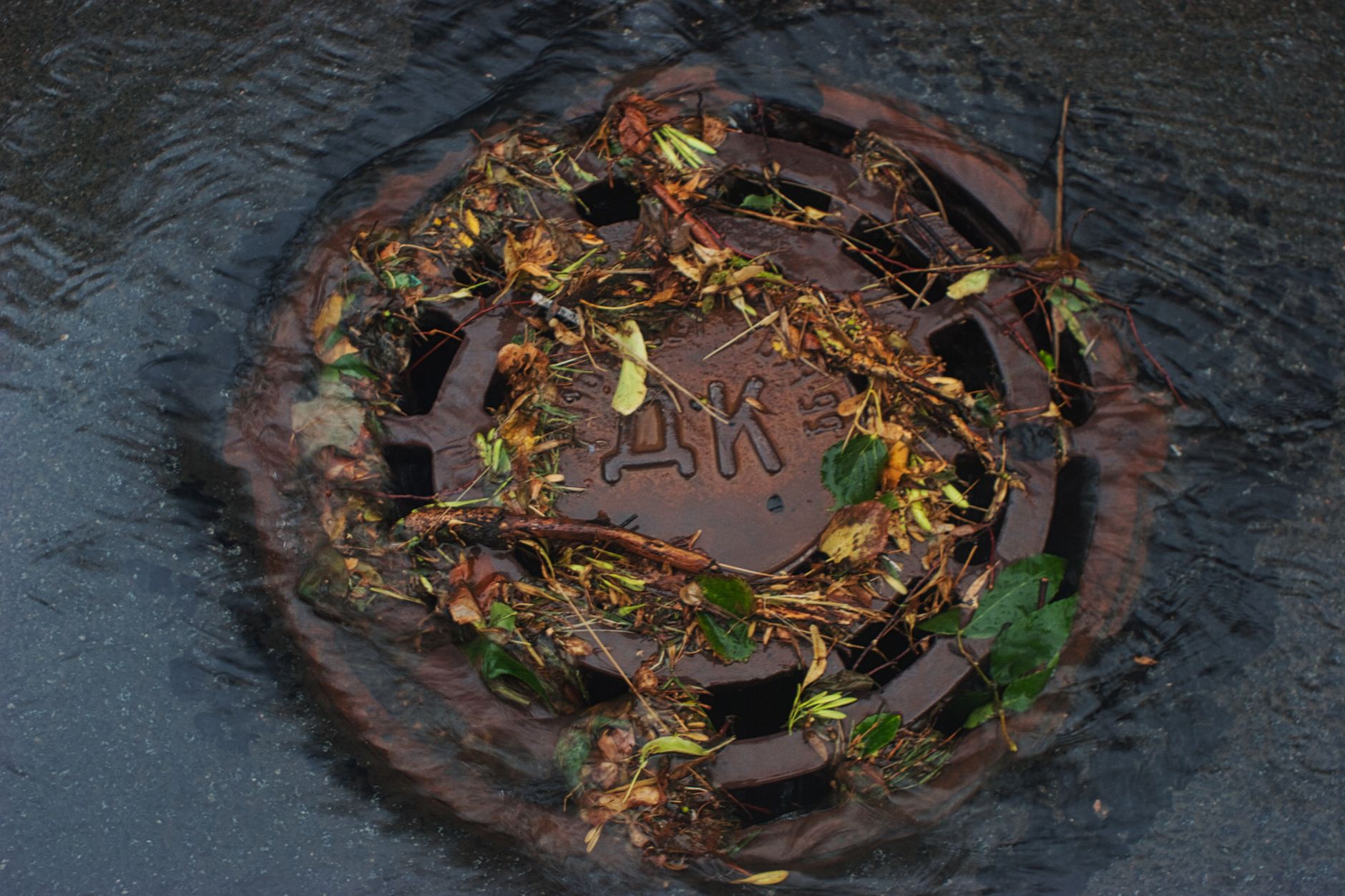
I spent twenty minutes standing in an inch of gray water last Thanksgiving, holding a plunger like it owed me money.
That's the moment most homeowners decide they need professional help. It's also the moment they could have avoided entirely, because almost every clog that forces an emergency call starts as something small: a slick of cooking fat, a wad of hair, a year of skipped maintenance. The fix isn't complicated. You just have to understand what your pipes actually do all day, and then build a few habits around that reality.
Here's what I'll cover: why household drains fail, which rooms are the worst offenders, a short weekly routine that takes about five minutes, and honest guidance on when to stop pouring chemicals down the sink and call someone.
Why Household Drains Clog in the First Place
Your drain isn't a chute. It's a low-slope pipe that relies on gravity, water volume, and a smooth interior wall to move waste toward the main sewer line. Anything that sticks to that wall narrows the opening, and every narrowing slows the flow, which gives the next bit of debris more time to settle.
Cooking fat is the worst offender in kitchens, and it's sneaky about it. Fat pours as a liquid because it's hot. Ten feet down the pipe it cools, hardens, and grabs everything else passing by: coffee grounds, eggshell fragments, rice. Two years of that and you've got a grease wall with a pinhole in the middle. According to the Environmental Protection Agency, fats, oils, and grease are one of the leading causes of residential sewer blockages nationwide, which is why the standard advice is to never pour them down a drain at all.
Bathroom drains run a different problem. Soap scum, shaving cream, toothpaste, and hair combine into a felt-like mat that clings to the pipe's upper surface. It grows slowly enough that you don't notice, until one morning the tub drains in slow motion and you're standing in ankle-deep water wondering what changed.
The Three Rooms That Cause the Most Trouble
Kitchens clog from grease and food particles. Bathrooms clog from hair and soap film. Laundry rooms clog from lint. That last one surprises people, but washing machine discharge carries a surprising amount of fabric fiber, and if your drain line also handles a utility sink, you're doubling the load.
I'd rank kitchens as the highest-risk room in most homes, simply because of volume and variety. Bathroom clogs tend to be more localized and easier to snake. Laundry line clogs are the ones I'd worry about most, because they often sit in a slow-draining floor drain that nobody checks until it backs up across the floor.
A Five Minute Weekly Routine That Actually Works
You don't need a plumber on retainer. You need a rhythm. Here's what I do now, and it's kept my current house clog-free for years:
- Run hot water after every kitchen session. Not a trickle. A full, steady stream for thirty to sixty seconds after you finish dishes.
- Wipe pans before washing. A paper towel costs pennies. A sewer line repair costs thousands.
- Use a mesh strainer in every tub and shower. Empty it into the trash, not the sink.
- Flush each drain weekly. Fill the basin with hot water, pull the stopper, and let the full volume rush through. Volume is what clears the walls.
- Check the laundry floor drain monthly. Pour a gallon of water down it if it's dry. Traps that dry out let sewer gas into the house.
That's the whole system. It costs you nothing and it beats every bottle of chemical drain opener on the shelf, which I'd avoid entirely. Those products generate heat, and repeated use can damage older pipes, especially the metal ones in homes built before the 1980s.
Homeownership Reality: Older Homes Have Older Pipes
If your house went up before 1980, you're probably running cast iron or galvanized steel drain lines. Both corrode from the inside. Cast iron develops a rough, pitted surface that snags debris, and galvanized steel actually narrows over time as mineral scale builds up. No amount of weekly flushing fixes a pipe that's already lost half its diameter.
This is where preventive habits stop being enough and diagnosis starts to matter. The Department of Housing and Urban Development has long noted that aging housing stock drives a large share of residential repair demand, and drain lines are one of the first systems to show their age. If your home is older and you're plunging the same sink twice a month, you're not dealing with a clog. You're dealing with a pipe that's telling you something.
Slow Drains, Backups, and Tree Roots Underground
Outdoor trouble shows up indoors first. If multiple fixtures drain slowly at once, or you hear gurgling from a tub when the toilet flushes, the blockage is probably in the main line rather than a single branch. Tree roots are a common cause, because roots seek moisture and sewer lines are the richest water source in the yard.
The U.S. Department of Agriculture points out that tree roots spread well beyond the canopy line, often farther than most homeowners expect, which means the tree across the yard isn't automatically innocent. Roots enter through hairline cracks at joints, then expand as they grow. By the time you notice the backup, the root mass inside the pipe can be substantial.
This is the scenario where DIY stops being reasonable. A plunger won't touch a root mass. Neither will an enzyme treatment. You need mechanical cutting or high-pressure water, and you need someone who can see inside the line before deciding which approach fits.
When to Call a Professional
Call for help when any of these are true:
- Two or more fixtures drain slowly at the same time.
- Sewage odors linger in the house even after you flush the traps.
- Water backs up into a tub or shower when you run the washing machine.
- You've plunged the same drain three times in one month.
- You see standing water in the yard above the sewer line.
A pro typically starts with a camera inspection to find the actual blockage rather than guessing. From there, the tool choice matters. A mechanical snake handles localized hair and soap clogs. High-pressure hydro jetting scours the full interior wall of the pipe and removes grease buildup that a cable would slide right past. If you want the full picture of what a proper drain cleaning service includes, the typical process runs from inspection through cleaning to a final flow test that confirms the line is actually clear.
My honest take: if the blockage is in a branch line under one sink, a snake is fine. If it's in the main sewer line, insist on the camera. Paying for a blind snake job that fails in three weeks is the most expensive cheap repair there is.
What Good Maintenance Looks Like Over a Year
Think in seasons. Spring is when roots are actively growing, so that's a smart time for an inspection if you've had root trouble before. Fall brings leaves and cooler grease that hardens faster. Winter stresses pipes with temperature swings. Summer is when most people finally address the slow drain they ignored since March.
One habit I'd push hardest: keep a simple log. Write down the date every time you plunge a drain or notice a slow one. After a year, you'll see the pattern clearly, and you'll know whether you're maintaining a healthy system or nursing a failing one.
Your pipes will never send you a polite email. They just quit, usually on a holiday, usually with guests in the house. The five minutes a week you spend now is the cheapest plumbing insurance you'll ever buy. Start with the kitchen tonight, then walk through the rest of the house and check every drain one at a time. Which one has been draining a little slower than it should?