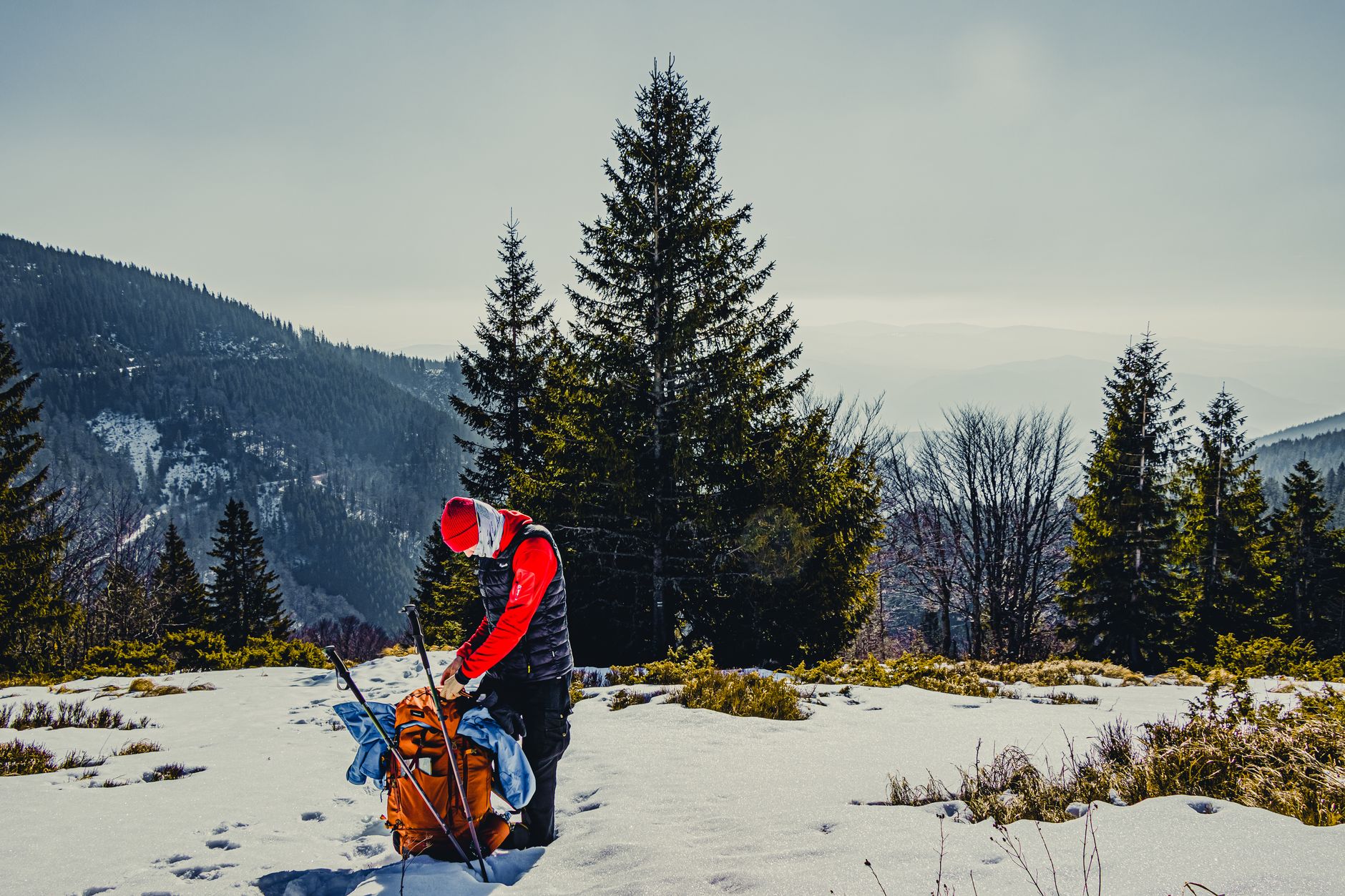
Your GPS insists you're on the trail. Your eyes disagree. The sky is getting darker, the path ahead has split into two equally unconvincing options, and your phone has lost service at precisely the moment you'd like to ask the internet what to do. Of course it has.
Remote adventures have a particular charm: no traffic, no crowded sidewalks, no notifications demanding immediate attention. But the farther you travel from developed areas, the more responsibility shifts onto you. Weather changes, minor injuries become harder to manage, and a wrong turn can cost precious daylight.
The wilderness doesn't require you to be fearless. It requires you to be prepared.
Before You Go: Give Someone the Plot
A beautiful trail photo is not a travel plan. Before heading out, research the route, check current conditions, and review the weather forecast for the area you'll actually be visiting. Terrain, elevation, and seasonal conditions can turn a seemingly easy walk into a demanding outing.
Tell someone your intended route, expected return time, and when they should raise the alarm if you don't check in. Be specific. “I'm going hiking somewhere near the lake” isn't especially useful if nobody hears from you.
Set a turnaround time before you start, too. Reaching the summit might feel like the whole point, but a destination is never worth ignoring worsening weather or dwindling daylight. The mountain will still be there next weekend.
Your Phone Is a Tool, Not a Rescue Team
Cell coverage can vanish quickly in remote valleys, thick forests, and mountainous terrain. If your navigation depends entirely on a live internet connection, you're gambling on infrastructure that may not exist where you need it.
Download offline maps before departure. Carry a paper map and compass when appropriate, and learn how to use them rather than hoping confidence will magically supply the missing skills.
For more remote trips, consider a satellite messenger or personal locator beacon suitable for your destination. Understand the device's limitations and practice using it before an emergency makes experimentation a terrible idea.
Bring a power bank and conserve battery when possible. Cold conditions can affect battery performance, while constant screen use steadily drains available power. A phone is useful. A phone with no charge, no signal, and no offline map is mostly a reminder that technology has limits.
Pack for the Unexpected Overnight Stay
Most people pack for the adventure they've planned. Experienced outdoor travelers also consider the possibility that they'll be out longer than expected.
Depending on the route and conditions, carry enough water, suitable water-treatment supplies, extra food, weather-appropriate clothing, rain protection, a headlamp, a first-aid kit, and emergency shelter. A whistle can help you signal for assistance without exhausting your voice. Keep essentials easy to reach. If sunset arrives early, you don't want to unpack half your bag to locate a light.
Review your supplies before every trip, adjusting them for the season, terrain, duration, and needs of your group. A short summer hike and a remote winter outing deserve very different levels of preparation.
Wildlife, Firearms, and the Limits of Confidence
Wildlife encounters require patience and distance. Learn which animals inhabit the area, follow local food-storage recommendations, and avoid approaching or feeding wildlife. That perfect photograph isn't worth provoking an animal.
For lawful hunting or other permitted firearm activities, review local restrictions and maintain responsible handling practices. Those researching rifle ammo should consider their intended lawful activity, firearm compatibility, and applicable storage and transportation rules. Equipment choices matter, but they remain one part of a much larger outdoor safety picture. Navigation skills, first aid, weather awareness, and sound judgment deserve just as much attention.
If You Get Lost, Stop Making It Worse
The instinct to keep walking until something looks familiar is understandable. It's also potentially dangerous. Pause somewhere safe. Check your surroundings, consult your map, and assess whether retracing your route is sensible. If conditions deteriorate, darkness approaches, or someone is injured, prioritize shelter, warmth, and communication. Use emergency signaling equipment when necessary, and avoid unnecessary movement that could increase your risk.
The backcountry rewards preparation, not stubbornness. Plan carefully, respect changing conditions, and leave someone informed about your whereabouts. The goal isn't to eliminate every surprise from an outdoor adventure. It's to make sure that when the unexpected happens, you have the skills, supplies, and judgment to respond.