
When a chemical shipment needs a container that can take the heat, resist pressure, and meet transport regulations, plastic often isn’t the answer. Steel drums have been the industrial standard for decades because they perform better than other materials. Here’s a practical breakdown of what to look for before you buy.
What Are Steel Drums?
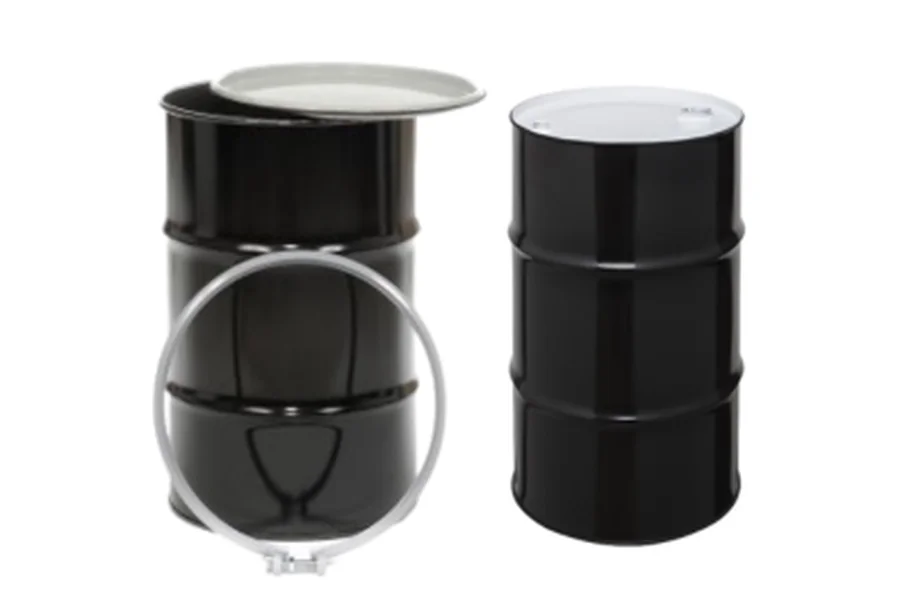
Steel drums for sale typically come in capacities from 5 to 55 gallons, with the 55-gallon size being the most common drum used in industrial operations. They’re manufactured from carbon steel or stainless steel depending on the application, and like plastic barrels, steel drums come in open-head and tight-head configurations. Open-head drums offer full interior access, while tight-head drums are sealed with bung openings suited for liquid dispensing.
If you’re sourcing quality steel drums for sale, confirming the gauge, lining, and closure type upfront will prevent a costly mismatch.
Where Steel Drums Get Used
Steel drums are a go-to for applications where plastic falls short on strength, temperature tolerance, or regulatory requirements. Petroleum and chemical industries rely on them for flammable liquids, oils, and solvents that require UN-rated steel construction for compliant transport.
Pharmaceutical and food-grade operations may use stainless steel or lined carbon steel drums when the contents require a non-reactive surface, subject to applicable regulations and material compatibility. Industrial manufacturers use them for paints, resins, adhesives, and lubricants that need a durable, puncture-resistant container through both transit and storage.
Waste management and industrial processing operations also reach for steel drums when containment integrity under pressure or temperature variation is a priority. Their structural rigidity makes them better suited than plastic for certain high-heat or high-pressure environments.
Lined vs. Unlined: A Key Distinction
Not all steel drums are built the same on the inside. Unlined steel drums work for products that are compatible with bare metal, such as certain petroleum products. Lined drums have an interior coating, commonly phenolic, epoxy, or polyethylene, that protects both the drum and its contents from corrosion and chemical interaction.
The right lining depends entirely on what you’re storing: a lining that works well for one chemical may degrade or react with another. Choosing the wrong lining for your contents can compromise both the container and the material inside, so always verify chemical compatibility with the manufacturer or supplier before committing to a drum type.
New vs. Reconditioned Steel Drums
New steel drums come with clean interiors, verified specs, and no history of prior use, which matters most for food-grade, pharmaceutical, or highly regulated applications. Reconditioned drums are cleaned, recoated where necessary, and inspected to industry standards before resale.
For non-food industrial storage where the previous contents are documented and compatible with your intended use, reconditioned steel drums can offer meaningful cost savings without sacrificing functional performance.
Always request reconditioning records and confirm prior contents before purchasing used stock.
How To Choose The Right Drum: What To Look For
Gauge thickness, UN certification, lining type, and closure configuration are the four specs worth verifying on any steel drum purchase. If the drum will be used in regulated transport, confirm it carries the appropriate UN performance rating for your hazard classification.
For storage-only applications, your requirements may be less strict, but lining compatibility and structural integrity still matter. When you buy reconditioned items, inspect them for dents, rust, and seam integrity, or ask the seller for documentation confirming they completed those checks.
Getting these details in writing before purchase protects you if a drum arrives outside the agreed spec.
Where to Source Steel Drums
Container Exchanger is an online marketplace for new and used industrial containers, including steel drums in a range of sizes and configurations. Comparing listings across multiple sellers lets you find the right spec at a competitive price, with regional inventory options that can reduce freight costs considerably.
Whether you need a single order of new tight-head drums or a recurring supply of reconditioned open-head drums, Container Exchanger connects buyers with sellers across North America. Confirm material specs, lining details, and seller information for each listing before purchasing.