The Master Timeline for Wedding Planning and Engagement Rings
The journey to your wedding day is a significant one, filled with countless decisions, from selecting the perfect gown to finalizing the guest list. Among these, the timing of your jewelry purchases—especially your engagement ring and wedding bands—plays a pivotal role. Aligning these crucial ring scheduling milestones with your broader wedding planning timeline can significantly reduce stress and ensure every detail is perfect. We've found that a well-structured approach to vendor bookings and understanding production windows is key to a smooth process.
Proposal Milestones: Shopping Schedules and Production Turnarounds
The excitement of a proposal often begins long before the question is popped. When it comes to the engagement ring, we recommend initiating the shopping process approximately two to three months before your intended proposal date. This generous timeframe allows for thoughtful consideration, research, and selection without feeling rushed.
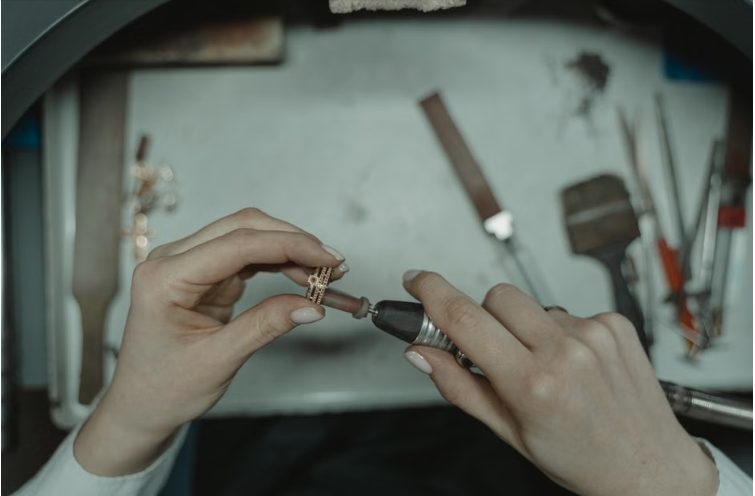
If you're considering a bespoke piece, the journey often involves several stages: initial design consultations, detailed CAD rendering, meticulous stone sourcing, and the actual crafting of the ring. Each of these steps requires dedicated time. For instance, a custom design can easily add several weeks to the overall process, as jewelers work to translate your vision into a tangible piece. This is particularly true if you're looking for something truly unique, perhaps with specific ethical sourcing requirements or unusual stone cuts.
The actual production timeline for an engagement ring, once the final design is approved, typically ranges from 8 to 12 business days before it's ready for shipment. However, this doesn't account for potential delays in stone sourcing, especially for rare gems, or the time needed for initial design iterations. For those seeking truly unique, handcrafted pieces, exploring options for custom engagement rings can be a rewarding experience, allowing you to create a ring that perfectly embodies your partner's style and your shared love story. It’s also wise to factor in lead times for insured shipping, which can vary, and any necessary initial ring sizing adjustments. Allowing this buffer ensures that your chosen symbol of commitment arrives well in advance of the big moment, perfectly crafted and ready for its debut.
Synchronizing Band Selection and Accessory Fittings
As the wedding day approaches, the focus shifts to wedding bands and bridal accessories. We advise couples to begin shopping for wedding bands approximately three to four months before the wedding. This period allows ample time to select bands that complement the engagement ring, consider engraving options, and account for any custom sizing or production needs. It's often helpful to bring your engagement ring when selecting wedding bands to ensure they stack together comfortably and aesthetically.
Bridal jewelry and accessories, such as necklaces, earrings, and hairpieces, should ideally be chosen around six to eight weeks before the wedding. This timing is strategic, as it allows you to coordinate these pieces with your finalized wedding dress and hairstyle during your last fittings. This ensures that every element of your bridal look creates a cohesive and stunning ensemble.
Don't forget about gifts for your wedding party! These thoughtful tokens of appreciation can be shopped for one to two months before the wedding. This allows time for personalization, such as engraving, and ensures everything is ready to be presented to your closest friends and family. By adhering to these synchronized timelines, you can avoid last-minute stress, prevent limited inventory issues, and ensure that every piece of jewelry and every accessory contributes to a beautifully orchestrated celebration.
Crafting Heirloom Quality with Bespoke Jewelry
The rings you choose are more than just jewelry; they are symbols of your commitment, destined to become cherished heirlooms. Crafting such pieces involves a deep understanding of bespoke craftsmanship, jewelry architecture, and personalization. Our goal is always to help you select or design rings that not only look stunning but also align with your lifestyle compatibility, ensuring they can be worn and adored for a lifetime.
The 4Cs and Diamond Selection for Wedding Planning and Engagement Rings
When selecting a diamond, understanding the "4Cs" – Cut, Color, Clarity, and Carat Weight – is fundamental. These four characteristics are the globally recognized standards for evaluating a diamond's quality and value.
- Cut: Often considered the most crucial of the 4Cs, a diamond's cut refers to how well its facets interact with light. An excellent cut grading maximizes a diamond's brilliance, fire, and sparkle. We always emphasize prioritizing cut for optimal light performance, regardless of the diamond's size.
- Color: The color scale typically ranges from D (colorless) to Z (light yellow or brown). D-F diamonds are considered colorless, while G-J are near-colorless. The subtle differences in color can significantly impact a diamond's appearance and price.
- Clarity: Clarity characteristics refer to the absence of inclusions (internal flaws) and blemishes (external imperfections). While totally flawless diamonds are rare and expensive, many inclusions are microscopic and don't affect a diamond's beauty to the naked eye.
- Carat Weight: This refers to the diamond's weight, not necessarily its size. While the average engagement ring diamond size in the U.S. is between 1.08 and 1.2 carats, personal preference and budget play a far greater role in this choice.
For assurance of quality, we highly recommend selecting diamonds that come with GIA certification or IGI grading. These independent gemological laboratories provide unbiased assessments of a diamond's characteristics. Beyond the traditional round brilliant, fancy shapes like oval, pear, emerald, and marquise cuts offer unique aesthetics and can sometimes provide a larger visual appearance for a similar carat weight, often with a different price point.
Natural Diamonds, Lab-Grown Diamonds, and Gemstone Alternatives
The choice between mined stones and lab-grown stones is a significant consideration for many couples today. Natural diamonds are formed deep within the Earth over billions of years, making each one unique with its own history and inclusions. Lab-grown diamonds, on the other hand, are created in controlled laboratory environments using advanced technological processes that replicate natural diamond formation. They are chemically, physically, and optically identical to mined diamonds.
One of the most compelling differences lies in the price differential: a lab-grown diamond can cost significantly less—often 60-80% less—than a mined diamond of identical specifications. While natural diamonds may retain more resale value over time, lab-grown diamonds offer an accessible entry point to larger, higher-quality stones. Both options can be ethically sourced, with many jewelers providing transparency regarding their supply chains for natural diamonds and the controlled origins of lab-grown diamonds.
For those seeking alternatives to diamonds entirely, a vibrant world of gemstone options awaits. Sapphires, with their deep blues and array of other colors, offer durability and classic elegance. Emeralds provide a rich, verdant hue, while moissanite, a naturally occurring mineral, is a popular diamond simulant known for its exceptional brilliance. These alternatives allow for incredible personalization and can be chosen to reflect birthstones, favorite colors, or unique personal styles.
Feature Natural Diamonds Lab-Grown Diamonds Origin Formed naturally in the Earth Created in a laboratory Composition Pure carbon, identical to natural Pure carbon, identical to natural Appearance Identical to natural Identical to natural Cost Higher Significantly lower (60-80% less) Resale Value Generally retains value better Limited or no resale value Certification GIA, IGI, AGS IGI, GIA (since 2019) Ethical Sourcing Requires careful vetting (e.g., Kimberley Process) Inherently conflict-free, lower environmental impact Uniqueness Each stone is naturally unique Consistent quality, but less "natural history"
Precious Metals and Ring Architecture
The metal you choose for your ring setting is just as important as the stone, influencing durability, appearance, and overall aesthetic.
- Platinum: A naturally white and extremely durable metal, platinum is dense and cool to the touch. It holds its white color forever without fading and is hypoallergenic, making it an excellent choice for sensitive skin. Its strength securely holds diamonds in place.
- Yellow Gold: A timeless classic, yellow gold is often alloyed with silver and copper to increase its strength. 14k and 18k yellow gold are popular choices, offering a rich, warm hue that complements many skin tones.
- White Gold: Created by alloying pure gold with white metals like palladium or silver, white gold is then typically plated with rhodium to enhance its bright, silvery-white appearance. This plating may need to be redone every few years to maintain its luster.
- Rose Gold: Gaining popularity for its romantic, vintage appeal, rose gold is an alloy of gold and copper, which gives it its distinctive pinkish hue. It's durable and requires minimal maintenance.
Beyond the metal, the ring's architecture—how the stone is set and the band is designed—defines its style and longevity. Common settings include:
- Prong Settings: Maximizing light exposure to the diamond, prongs hold the stone securely with minimal metal.
- Bezel Settings: Encircling the diamond with a metal rim, bezel settings offer excellent protection and a sleek, modern look.
- Cathedral Shoulders: These elegant arches rise from the band to support the center stone, adding height and intricate detail.
- Pavé Accents: Small diamonds set closely together, giving the appearance of a continuous surface of sparkle, often adorning the band or halo.
Considering these elements carefully ensures your ring is not only beautiful but also built to last, reflecting its status as a symbol of enduring love.
Venue Selection and Aesthetic Coordination
Just as your rings symbolize your personal commitment, your wedding venue sets the stage for your celebration, reflecting your shared style and vision. Harmonizing the atmosphere pairing of your chosen rings with the overall aesthetic of your wedding and event venue is a key step in creating a cohesive and memorable experience. Thoughtful vendor coordination ensures that every detail, from the lighting to the floral arrangements, complements your jewelry choices.
Harmonizing Bridal Jewelry with Your Wedding and Event Venue
The architectural style and inherent ambiance of your chosen venue should subtly influence your bridal jewelry selections. For instance, if you envision a grand ballroom with classic elegance, a traditional solitaire or a vintage-inspired halo setting might perfectly complement the opulent surroundings. For couples drawn to modern, industrial spaces with clean lines and minimalist aesthetics, a sleek bezel setting or a geometric fancy-shaped diamond could be an ideal match.
Conversely, a rustic barn or an outdoor garden celebration might inspire more organic designs, perhaps with rose gold metals or nature-inspired motifs. The goal is to achieve aesthetic cohesion, where your rings and other bridal jewelry feel like an organic extension of your overall decor themes and the visual harmony of your chosen setting. We encourage couples to visit potential venues with their ring preferences in mind, imagining how their jewelry will look against the backdrop of the ceremony and reception spaces. For those seeking a truly distinctive backdrop for their celebration, exploring a versatile wedding and event venue can provide the perfect canvas for your vision, allowing your personal style, including your jewelry, to shine.
Budget Allocation for Wedding Planning and Engagement Rings
Effective budget allocation is paramount in wedding planning, especially when considering significant investments like your venue and rings. While we don't advocate for rigid spending rules, it's wise to approach budget division with a clear understanding of your priorities. Pricing for both venues and rings can vary widely depending on location, customization, and materials.
When planning your finances, consider your jewelry investment as a part of the larger picture. For instance, if you opt for a more elaborate custom engagement ring, you might balance this with a more streamlined approach to other wedding elements. Conversely, if your dream wedding involves a lavish venue and extensive decor, you might explore cost-effective options for your rings, such as lab-grown diamonds or alternative gemstones, which offer significant savings without compromising on beauty.
It's important to allocate funds not just for major items like venue deposits and jewelry, but also for contingency funds to cover unexpected costs. We encourage open discussions about cost management early in the planning process, ensuring that your financial planning aligns with your vision for the day. The true value of your rings and your wedding day lies in the memories and commitment they represent, not solely in their monetary cost.
Evaluating Logistics, Lighting, and Venue Infrastructure
Beyond aesthetics, practical considerations regarding your venue's logistics, lighting, and overall infrastructure can subtly impact your jewelry choices and how they are perceived. For example, the quality of photography lighting at your venue will directly affect how your rings sparkle in your wedding photos. Venues with abundant natural light can beautifully illuminate diamonds and precious metals, enhancing their brilliance.
Consider the layout planning and guest capacity of the venue, and how it might influence the practicality of your jewelry. While less direct, a venue's contract terms, accessibility, and parking access are all part of a comprehensive planning process that ensures a smooth day, allowing your beautiful rings to be admired without logistical worries. Every aspect of your venue choice contributes to the overall timeline execution and the seamless flow of your wedding day, allowing your personal touches, like your exquisite rings, to take center stage.
Maintaining and Protecting Your Investment
Your engagement ring and wedding bands are not just beautiful; they are significant investments and deeply personal symbols. Ensuring their longevity and brilliance requires consistent jewelry maintenance and proactive ring protection. Implementing a routine care plan will help preserve their beauty and structural integrity for years to come, making them true heirlooms.
Ring Care, Appraisals, and Insurance Policies
To safeguard your precious rings, we recommend several best practices:
- Professional Cleanings: Schedule professional cleanings approximately every six months. Jewelers have specialized equipment and solutions that can safely remove dirt, oils, and grime, restoring your rings' original sparkle. Many jewelers offer complimentary cleanings as part of their lifetime warranties.
- Regular Inspections: During professional cleanings, jewelers will also perform thorough inspections, checking for any loose prongs, worn settings, or other potential issues. These six-month checkups are crucial for preventing stone loss and ensuring prong security.
- Resizing and Repairs: Life happens, and fingers can change size. Many jewelers offer complimentary resizing services, often within a certain timeframe after purchase or as part of a lifetime warranty. Promptly address any necessary repairs to prevent further damage.
- Scheduled Appraisals: We advise getting your rings appraised every two to five years. An appraisal provides an updated valuation, which is essential for insurance purposes, especially as metal and diamond values can fluctuate.
- Jewelry Insurance: This is a non-negotiable step for protecting your investment. Jewelry insurance policies typically cover loss, theft, and damage. Ensure your policy is comprehensive and based on the most recent appraisal value.
Here is a list of essential engagement ring maintenance steps:
- Regular professional cleaning (every 6 months)
- At-home gentle cleaning with mild soap and soft brush
- Annual jeweler inspection for loose stones or worn settings
- Prompt repair of any damage or loose prongs
- Regular re-plating for white gold to maintain luster
- Store separately to prevent scratches
- Remove during strenuous activities or when using harsh chemicals
- Obtain and update insurance coverage
- Get periodic appraisals for accurate valuation
By diligently following these practices, you can ensure your rings remain as radiant and secure as the day you first received them, reflecting the enduring nature of your commitment.
Frequently Asked Questions About Wedding Jewelry and Planning
Navigating wedding jewelry and planning can bring up many questions. We've compiled some of the most common inquiries to help clarify key aspects of ring protocols and coordination queries, ensuring you feel confident in your decisions.
What is the difference between an engagement ring and a wedding band?
This is a very common question, and understanding the distinction is key to planning your jewelry purchases. An engagement ring is traditionally given during a proposal and symbolizes a promise to marry. It typically features a prominent center stone, often a diamond or another gemstone, and can be quite ornate in design. It's worn from the time of the proposal until the wedding day, and often thereafter.
A wedding band (or wedding ring), on the other hand, is exchanged during the wedding ceremony itself and symbolizes the actual marriage. Wedding bands are usually simpler in design, often a plain metal band or one adorned with smaller diamonds or gemstones. They are typically worn daily, often stacked with the engagement ring. While traditionally separate, some couples choose a single ring to serve both purposes, perhaps by adding an inscription or re-dedicating it during the ceremony. The choice ultimately comes down to personal preference and tradition.
How far in advance should couples start shopping for custom rings?
For custom rings, we strongly recommend starting the process well in advance to allow for design, production, and any unforeseen adjustments. Ideally, you should begin your design consultations and initial research at least two to three months before the proposal date for an engagement ring, and three to four months before the wedding for wedding bands.
This timeframe provides a comfortable buffer for several stages:
- Design Consultations: Initial meetings to discuss your vision, materials, and budget.
- Sketching and CAD Rendering: The creation of initial designs and detailed computer-aided design images for your approval. This often involves a revision buffer, allowing for tweaks and changes.
- Stone Sourcing: If you're selecting a unique or specific stone, this can take time.
- Approval Process: Your final approval of the design before production begins.
- Metal Casting and Setting: The actual creation of the ring, which typically takes a few weeks. For example, production timelines for custom pieces can range from 8 to 12 business days from final approval, but the entire design journey before that can easily add several weeks.
Starting early ensures you don't feel pressured, allows for thoughtful decision-making, and guarantees your custom pieces are perfect for your special day.
How should rings be worn during the ceremony?
The traditional way to wear rings during the ceremony, particularly in the U.S., involves a specific stacking order. The wedding band is placed on the left-hand ring finger first, closest to the heart, followed by the engagement ring. This tradition signifies that the wedding band is a direct symbol of your marital vows, with the engagement ring then "guarding" it.
To facilitate this, many brides choose to move their engagement ring to their right hand before the ceremony. After the wedding band has been placed on the left hand, the engagement ring is then transferred back to the left hand, to be worn above the wedding band. Some couples also opt to have their engagement and wedding rings soldered together after the wedding, creating a single, cohesive piece. While traditions provide a lovely framework, the most important thing is to wear your rings in a way that feels meaningful and comfortable to you.
Conclusion
The journey of wedding planning, from the initial excitement of a proposal to the joyous celebration of marriage, is a deeply personal and unforgettable experience. By thoughtfully coordinating your wedding planning and engagement rings, you're not just making purchases; you're crafting tangible symbols of your love story.
From understanding the intricate timelines for bespoke rings to harmonizing your jewelry choices with your dream venues, every decision contributes to the overall narrative of your special day. We hope this guide empowers you to navigate these exciting milestones with confidence, ensuring that every detail, from the sparkle of your ring to the ambiance of your chosen setting, contributes to lifelong memories. May your planning be filled with joy, and your celebration be as unique and radiant as your love.