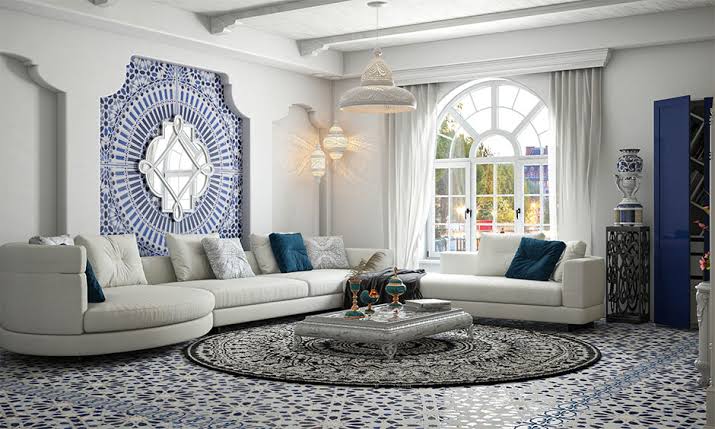
Renovating your space can be a daunting task, but choosing the right materials can transform your vision into reality. Terrazzo Floor Tiles offer a unique blend of durability and aesthetic appeal, making them an ideal choice for modern interior design. These tiles have seen a resurgence, thanks to their versatility and timeless charm. In this guide, we’ll explore how Terrazzo can elevate your home improvement project, from its key characteristics to installation tips and maintenance strategies. Whether you’re a homeowner or an interior designer, understanding the potential of Terrazzo can lead to a stunning and functional renovation.
Exploring the Versatility of Terrazzo Floor Tile in Modern Design
Terrazzo Floor Tiles offer unparalleled versatility in home improvement projects. They can be customized with various colors and aggregates, allowing for unique designs that complement any Terrazzo Floor Tile project. In modern interior design, Terrazzo is often incorporated into mood boards, which are visual planning tools that help designers conceptualize the overall aesthetic of a space. These tiles are also compatible with a range of other materials, such as metal and wood, providing a seamless integration into both contemporary and traditional settings.
Moreover, Terrazzo’s compatibility with advanced design technologies, such as CAD software, enhances its appeal. Designers can use these tools to experiment with different layouts and color schemes, ensuring the perfect fit for their projects. Terrazzo’s ability to mimic the appearance of natural stone while offering better performance makes it a preferred choice among designers aiming for LEED Certification, a recognition for environmentally friendly building practices.
Incorporating Terrazzo into your design can also improve the acoustical treatment of a space. These tiles help dampen noise, making them ideal for open-plan living areas where sound control is crucial.
Key Characteristics That Make Terrazzo a Popular Choice
One of the standout characteristics of Terrazzo Floor Tiles is their durability. Composed of a mixture of marble, glass, or other aggregates with a binding material, they are built to withstand heavy foot traffic, making them suitable for both residential and commercial properties. Terrazzo’s longevity is a significant factor that contributes to its popularity in interior design.
Another appealing feature is the tile’s aesthetic flexibility. The color rendering capabilities of Terrazzo allow designers to create vibrant and intricate patterns that enhance the visual appeal of any room. This versatility makes it a favorite in the FF&E (Furniture, Fixtures, and Equipment) phase of design development, where cohesion between all elements is critical.
Additionally, Terrazzo is known for being low maintenance, which makes it an attractive option for busy households or commercial spaces. Its surface resists stains and scratches, keeping it looking pristine for years.
Essential Installation Tips for a Flawless Terrazzo Floor
Proper installation of Terrazzo Floor Tiles is crucial to achieving a flawless finish. First, ensure that the substrate is clean and level, as any irregularities can affect the final appearance. The use of the right tools and materials, such as high-quality adhesives and sealants, is essential to prevent future issues.
During installation, space planning is critical to ensure that the layout meets the desired design and functional needs. Precise measuring and cutting are necessary to accommodate features such as egress windows, which are essential for safety and code compliance in basements or lower-level renovations.
Finally, a thorough punch list—an inspection checklist used to identify any final adjustments needed before project completion—should be conducted. This ensures that all aspects of the installation adhere to the design specifications and that the final product meets the client’s expectations.
Maintenance Strategies to Keep Your Terrazzo Floors Looking New
Maintaining Terrazzo Floor Tiles involves regular cleaning and periodic sealing to preserve their luster. Routine sweeping or vacuuming helps remove abrasive debris that can cause surface wear. For more thorough cleaning, a neutral pH cleaner is recommended to avoid damaging the tile’s finish.
Sealing Terrazzo tiles is a critical step in protecting them from stains and moisture. Depending on the level of traffic, resealing may be necessary every two to three years. This process not only enhances the floor’s appearance but also extends its lifespan.
Additionally, protecting Terrazzo from heavy impacts or sharp objects can prevent chips and cracks. Using protective pads under furniture and avoiding dragging items across the floor are simple strategies to keep your tiles looking new.
Conclusion
Terrazzo Floor Tiles offer a blend of beauty and durability that can elevate any renovation project. With their customizable designs and robust characteristics, they are an excellent choice for modern interior design. By following proper installation and maintenance practices, you can ensure that your Terrazzo floors remain a stunning feature in your space for years to come. Whether you’re aiming for a chic, modern look or a classic aesthetic, Terrazzo provides the versatility needed to achieve your design goals.