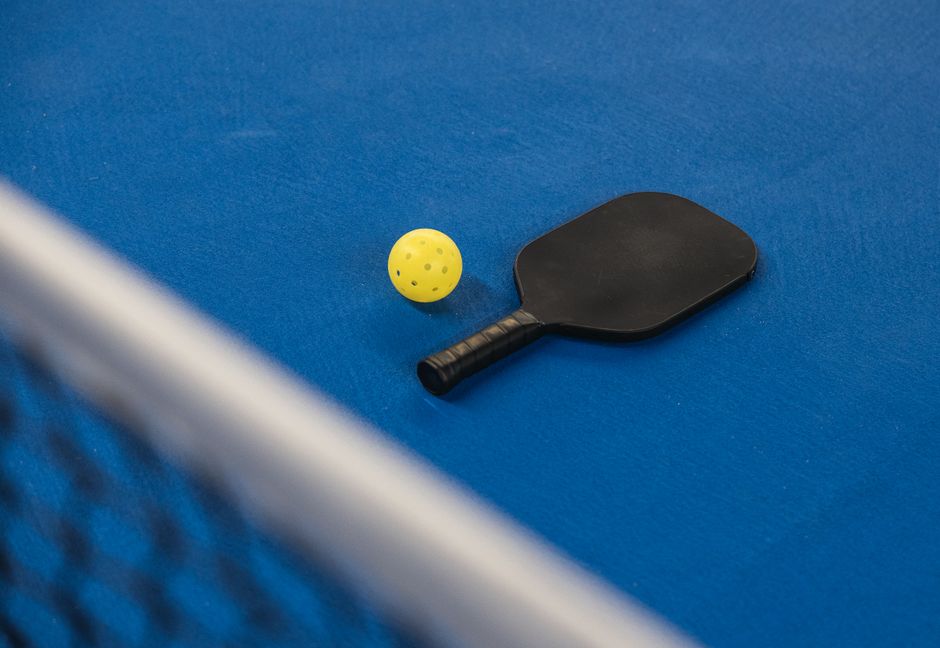
In recent years, pickleball has emerged as a fast-growing sport among enthusiasts and newcomers alike. At the heart of this sport is the essential piece of equipment known as the pickleball racket, which plays a significant role in how the game is played and experienced. A key component in optimising player performance, the choices regarding pickleball rackets have evolved immensely to cater to diverse player needs.
The Evolution and Design of Pickleball Rackets
Initially, pickleball rackets resembled paddles used in other racquet sports, but with technological advancements, they have become more specialised. Early designs largely mirrored basic wooden paddles; today, these rackets are crafted with sophisticated materials such as graphite, composite, and high-grade plastics. The use of modern materials ensures that players can achieve the right balance of power, control, and manoeuvrability. The design intricacies, including the paddle face texture and the type of core, whether polymer, aluminium, or Nomex, contribute notably to the racket's performance dynamics.
Weight and Balance
Selecting the right racket weight is crucial, as it profoundly affects playability and player comfort. Typically, pickleball rackets fall into three weight categories: lightweight (6.5-7.4 ounces), middleweight (7.5-8.4 ounces), and heavyweight (8.5-9.5 ounces). Lightweight rackets are favoured for swift manoeuvrability and reducing arm fatigue, ideal for net play and those who prioritise quick reflexes. In contrast, heavyweight rackets add more power to shots, which benefits baseline players needing impactful drives. However, the choice ultimately hinges on personal preference, playing style, and physical ability.
Surface Texture and Grip
The surface texture of a racket can greatly influence the spin applied to the ball. Some surfaces are subtly textured to aid in adding spin, which can be pivotal for strategic plays, especially when attempting to outwit opponents with tricky shots. Players looking to control the ball with finesse favour rackets that offer an enhanced grip on the ball.
Equally important is the grip of the racket. The circumference must comfortably accommodate the player’s hand size. A grip too small or too large can lead to inefficiencies in handling and even cause discomfort during prolonged play. Racket grips come in various textures and materials, including cushioned options, which provide different levels of moisture absorption and tactile feedback. The right grip ensures not just comfort but also control and the prevention of slippage during intense matches.
Choosing the Right Racket
Understanding one’s playing style is essential in selecting a pickleball racket. Beginners often benefit from rackets that offer a mix of control and power without overwhelming the player. Intermediate and advanced players tend to gravitate toward rackets that enhance specific aspects of their game, whether it’s spin, power, or control. Some players may prioritise a larger sweet spot for more consistent hits, whereas others seek specific balance points geared towards power or control.
Regulation and Compliance
Pickleball is governed by specific rules and organisational guidelines. According to the USA Pickleball Association (USAPA) and the International Federation of Pickleball (IFP), pickleball rackets must adhere to specific standards regarding dimensions and materials. Regulations are continually reviewed to ensure fair play, with designs frequently innovated within these established parameters. Compliance with these specifications is non-negotiable, ensuring a level playing field across competitive and recreational levels.
Impact of Technology
Technological advancements have led to significant developments in racket innovation. Modern composite materials have revolutionised weight distribution and durability, allowing for customisation options previously unavailable. Many manufacturers now utilise computer-aided design (CAD) to enhance racket aerodynamics and construction methods, which has a tangible impact on performance.
Environmental Considerations
Sustainability has become an important consideration in racket manufacturing. Many companies now strive to use recyclable materials and minimise environmental impact without sacrificing quality. This shift reflects the growing consumer awareness and demand for products that are not just high-performance but also eco-friendly.

The Future of Pickleball Rackets
As pickleball continues to expand globally, the demand for personalised gear grows alongside it. The future of pickleball rackets seems poised to embrace further technological integrations, including smart materials that adjust dynamically during play. Consumer feedback plays a significant role in shaping the development of these advancements, ensuring the sport continues to adapt to player needs.
For anyone seeking detailed information or to explore the wide array of options available, resources such as pickleball racket provide a comprehensive selection. Here, players can find a diverse range of paddles designed to meet the varied needs of the sport’s increasing fan base.