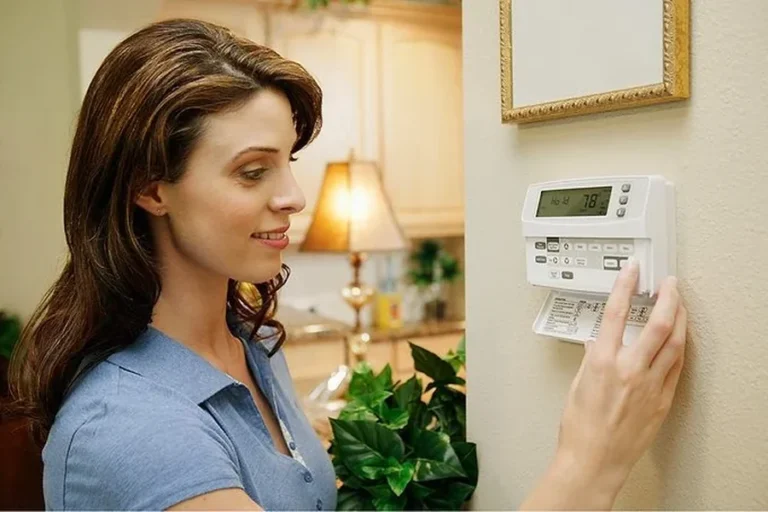

Human-machine interfaces (HMIs) have become an important part of modern industrial and commercial systems. They provide the connection between operators and machines, allowing users to monitor processes, access information and control equipment through a central interface. As industries adopt more specialised technologies, standardised interfaces are not always sufficient to meet specific operational requirements. This has increased interest in custom HMI solutions, which can be designed around particular workflows, environments and user requirements.
Understanding Human-Machine Interfaces
An HMI provides a communication point between people and machines. Depending on the application, it may take the form of a simple control panel, touchscreen display, industrial computer or more advanced digital system.
In industrial environments, HMIs allow operators to monitor equipment, adjust settings, review system information and respond to operational issues. Modern interfaces can also display real-time data, alarms, performance indicators and analytics, helping operators make decisions based on current conditions.
HMI technology has developed significantly from traditional buttons, switches and indicator lights. Touchscreens, graphical displays and connected systems now allow greater interaction with machinery and provide operators with more detailed information in a single interface.
Why HMI Customisation Matters
Different industries have different processes, equipment and working environments. A standard HMI may provide general functionality, but it may not accommodate the specific requirements of a particular operation.
Customisation allows an HMI to be developed around the way operators actually work. Interface layouts, controls, displays and data functions can be configured according to operational needs. For example, an HMI used in a manufacturing facility may require different controls and information from one used for building management or specialised equipment.
Environmental conditions can also influence HMI design. Interfaces used in demanding industrial settings may need to accommodate factors such as temperature, dust, moisture or frequent use. Custom designs can account for these conditions while incorporating the required technical and safety specifications.
Benefits of Custom HMI Solutions
One of the main advantages of customised HMI systems is improved usability. An interface designed around a specific workflow can make important controls and information easier for operators to locate. This can reduce unnecessary steps and help users complete tasks more efficiently.
Custom HMIs can also reduce training requirements. When controls and screen layouts are designed to reflect familiar processes, operators may find the system easier to understand and use. Clear navigation and appropriate data presentation can also help reduce the likelihood of user errors.
Another benefit is improved data management. Custom interfaces can be configured to collect, organise and display information that is relevant to a particular operation. Instead of presenting unnecessary data, the system can prioritise key performance indicators, alerts and operational information.
Customisation can also support system integration. An HMI may be designed to communicate with existing machinery, sensors, databases and other software platforms. This can provide operators with a more centralised view of an operation while helping businesses make better use of existing infrastructure.
Integrating Advanced Technologies
The development of connected technologies has expanded the capabilities of modern HMIs. Internet of Things (IoT) devices, artificial intelligence (AI) and machine learning (ML) can be integrated into HMI systems to support monitoring, analysis and automation.
IoT connectivity allows HMIs to gather information from connected machines and sensors. This data can be presented through dashboards and visual displays, giving operators greater visibility into equipment and processes.
AI and machine learning can further enhance HMI functionality by analysing operational data and identifying patterns. Depending on the application, these technologies can support predictive maintenance, anomaly detection and automated decision-making.
Augmented reality (AR) and virtual reality (VR) can also contribute to specialised HMI applications. AR systems, for instance, can provide technicians with digital instructions or equipment information during maintenance tasks. VR can be used for training simulations, allowing operators to practise procedures in a controlled environment without interacting directly with operational machinery.

Challenges in Developing Custom HMIs
Despite their benefits, custom HMI projects require careful planning. Compatibility with existing equipment and software is one of the primary considerations. The new interface must communicate reliably with the systems it is intended to control or monitor.
Security and reliability are equally important. HMIs connected to networks and industrial systems may become part of an organisation's wider technology infrastructure. Appropriate security measures are therefore necessary to protect systems and data from unauthorised access.
Development also requires a clear understanding of the end user's workflow. Developers need to consider how operators interact with equipment, which information they require and how quickly they need to access controls or alerts. Collaboration between technical teams, HMI developers and industry specialists can help ensure that the final system addresses practical requirements.
User-Centric HMI Design
User-centric design is an important part of successful HMI development. An interface may contain advanced features, but those features are only useful if operators can understand and use them effectively.
Usability testing can identify navigation problems, unclear controls and other issues before the system is fully deployed. Feedback from actual users can then be incorporated into subsequent design revisions.
Ergonomics and accessibility should also be considered. Controls, text, displays and navigation elements should be suitable for the operating environment and the users who interact with the system. Clear layouts and consistent controls can make the interface easier to operate, particularly during demanding or time-sensitive tasks.
Standards, Safety and Compliance
Industries subject to regulatory requirements must also consider compliance during HMI development. Custom interfaces may need to incorporate specific monitoring, reporting, safety and security functions depending on the application.
Compliance should be considered from the early stages of development rather than added after the interface has been completed. This approach can help reduce redesign requirements and ensure that the system supports the necessary operational and regulatory processes.
Regular maintenance and software updates are also important. As regulations, technologies and operational requirements change, HMI systems may need to be updated to remain secure, compatible and effective.
The Future of Custom HMI Development
HMI development is likely to continue moving towards greater connectivity, automation and personalisation. Improvements in data processing and AI may allow interfaces to present more relevant information based on operating conditions and user requirements.
AR and VR technologies may also become more common in specialised applications, particularly for training, maintenance and technical support. At the same time, connected equipment will continue to increase the amount of information available to operators, making effective data visualisation increasingly important.
Energy efficiency may also influence future HMI development. As businesses seek to reduce operating costs and environmental impact, systems may incorporate more energy-efficient hardware and software while supporting better monitoring of resource consumption.
Conclusion
Custom HMI solutions provide businesses with a way to adapt human-machine interaction to specific operational requirements. By considering workflow, environment, user needs, system compatibility and regulatory requirements, customised interfaces can improve usability, data management and operational control.
The integration of IoT, AI, machine learning, AR and VR is further expanding what HMIs can offer. As industrial and commercial systems become increasingly connected, customisation will remain an important consideration in developing interfaces that are practical, secure and suited to the people and processes that rely on them.