A good night’s sleep plays an important role in everyday wellbeing, yet conditions that affect breathing during sleep can make restful nights difficult to achieve. For people diagnosed with obstructive sleep apnoea, continuous positive airway pressure, commonly known as CPAP therapy, is one of the established treatment options available. As awareness of sleep health continues to grow, more people are learning about the role of CPAP therapy in Singapore and how it may fit into their nightly routine.
While starting treatment can take some adjustment, understanding how CPAP works, what to expect and how to develop comfortable habits can make the experience less daunting.
What Is CPAP Therapy?
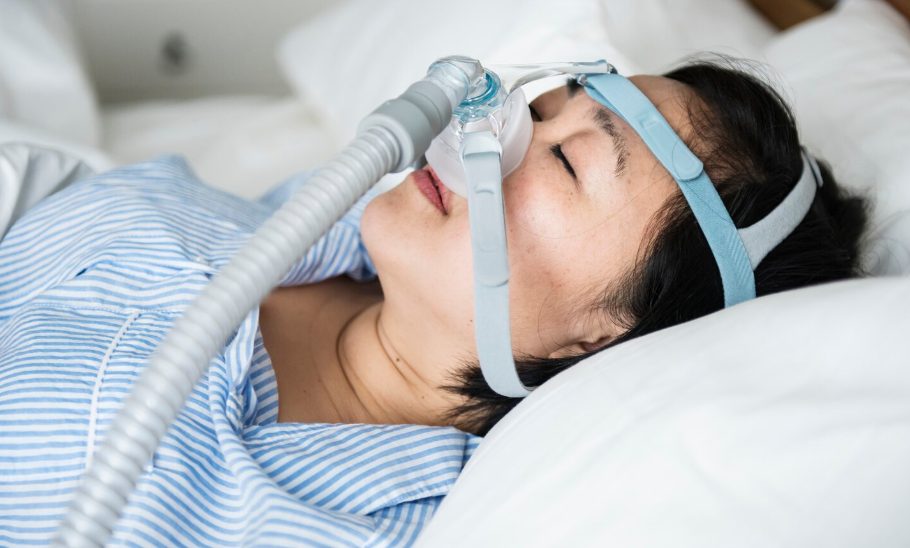
CPAP therapy uses a machine to deliver a continuous flow of air through a mask worn during sleep. The gentle air pressure helps keep the upper airway open, reducing the likelihood of breathing interruptions associated with obstructive sleep apnoea.
A typical CPAP setup consists of a small machine, tubing and a mask. Depending on the individual’s needs and the equipment prescribed, there can be different mask styles and machine configurations available. A healthcare professional or sleep specialist can help determine the most appropriate setup based on the individual’s circumstances.
CPAP is generally used while sleeping, meaning that comfort and consistency are important considerations. The aim is not simply to use the equipment occasionally, but to incorporate treatment into a regular sleep routine as advised by a healthcare professional.
Why CPAP Therapy May Be Recommended
Obstructive sleep apnoea occurs when the upper airway becomes repeatedly blocked or narrowed during sleep. These interruptions can affect normal sleep patterns and may be accompanied by symptoms such as loud snoring, waking during the night, morning headaches or daytime tiredness.
For someone who has been diagnosed with sleep apnoea, CPAP therapy may help maintain a more consistent airway during sleep. By supporting airflow, treatment can reduce breathing interruptions for many patients when used as prescribed.
However, CPAP is not something that should be started simply because someone snores or feels tired. Persistent symptoms should be discussed with a qualified healthcare professional, who can determine whether further assessment or a sleep study is appropriate.
Adjusting to CPAP Treatment
Getting used to sleeping with a mask can take time. Some people adapt relatively quickly, while others need to make gradual adjustments before the equipment feels natural.
The fit of the mask is particularly important. A mask that is too loose may allow air to escape, while one that is too tight can become uncomfortable. Different mask designs may suit different sleeping positions and facial shapes, so discussing fit with a healthcare professional or qualified provider can be helpful.
It can also take time to become comfortable with the sensation of airflow. Establishing a consistent bedtime routine and using the equipment as advised may help make CPAP feel like a normal part of going to sleep.
If discomfort persists, it is worth seeking professional advice rather than simply stopping treatment. Small adjustments to the mask, equipment or settings may sometimes improve the overall experience.
Finding CPAP Support in Singapore
For people exploring CPAP therapy Singapore options, access to appropriate guidance is an important part of the process. CPAP equipment is not simply a device that can be chosen based on appearance or price. Individual requirements, diagnosis, prescribed pressure and comfort can all influence which setup is suitable.
Singapore’s healthcare environment provides access to medical professionals and sleep services that can assist with the assessment and management of sleep-related breathing conditions. Those who have concerns about sleep apnoea should seek advice from an appropriately qualified healthcare professional before purchasing or using CPAP equipment.
Professional support can also remain valuable after treatment begins. Users may have questions about mask comfort, air leaks, cleaning routines or adapting to the equipment. Having access to knowledgeable assistance can make it easier to address these concerns and maintain consistent treatment.
Caring for CPAP Equipment
Regular equipment care is another important part of maintaining a CPAP routine. The mask, tubing and other components should be cleaned and maintained according to the manufacturer’s instructions and professional guidance.
Keeping equipment clean can help maintain good hygiene and may also contribute to a more comfortable experience. Components should also be checked regularly for signs of wear or damage. Replacing parts when recommended can help ensure that the equipment continues to function as intended.
The machine itself should be positioned in an appropriate location, ideally somewhere stable and suitable for its operating requirements. Following the instructions supplied with the equipment is essential, particularly when cleaning, storing or replacing components.
Making CPAP Part of Your Routine
Consistency is often one of the biggest challenges when beginning any long-term treatment. CPAP may initially feel unfamiliar, but incorporating it into an established bedtime routine can make the process easier over time.
Going to bed at a regular time, preparing the equipment before settling down and keeping the sleeping environment comfortable can all help create a predictable routine. It is also useful to discuss ongoing difficulties with a healthcare professional rather than making major changes to treatment independently.
If symptoms continue despite using CPAP, or if the equipment remains uncomfortable, professional follow-up is important. Treatment can sometimes require adjustment, and individual needs may change over time.
Conclusion
CPAP therapy can play an important role in managing obstructive sleep apnoea and supporting more consistent breathing during sleep. For people researching CPAP therapy in Singapore, understanding the treatment process, equipment requirements and the importance of professional guidance can make the journey easier to navigate.
The most suitable approach will depend on the individual’s diagnosis and circumstances. With appropriate medical assessment, a properly fitted setup and regular equipment care, CPAP can become a manageable part of a nightly routine. Anyone experiencing persistent symptoms associated with sleep apnoea should speak with a qualified healthcare professional to receive appropriate assessment and treatment advice.